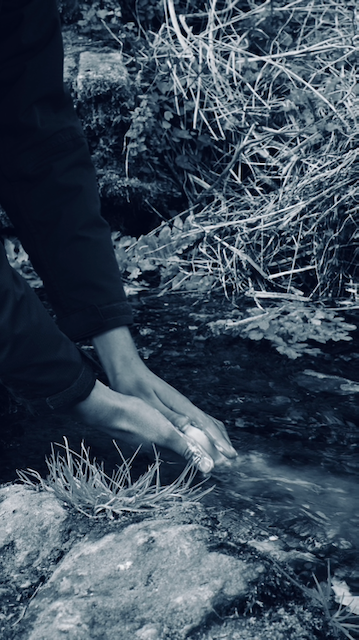
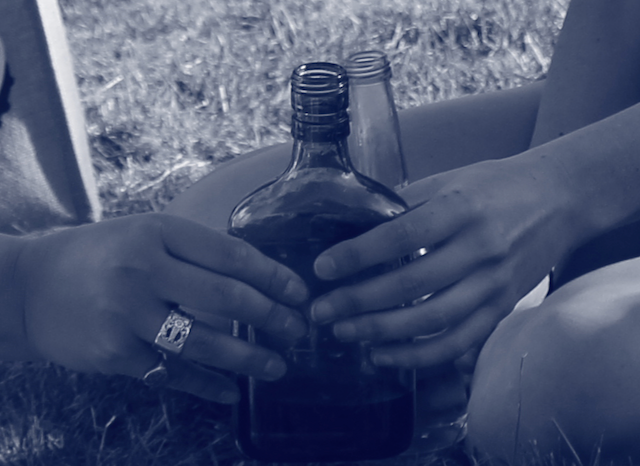
Issie’s practice investigates her relationship to bodies of water, considering porous boundaries and aqueous circulation. Her satirical 'Futile Acts' explore the uncertainty of eroding coastlines in a time of ecological crisis – specifically her home on the East Kent coast.
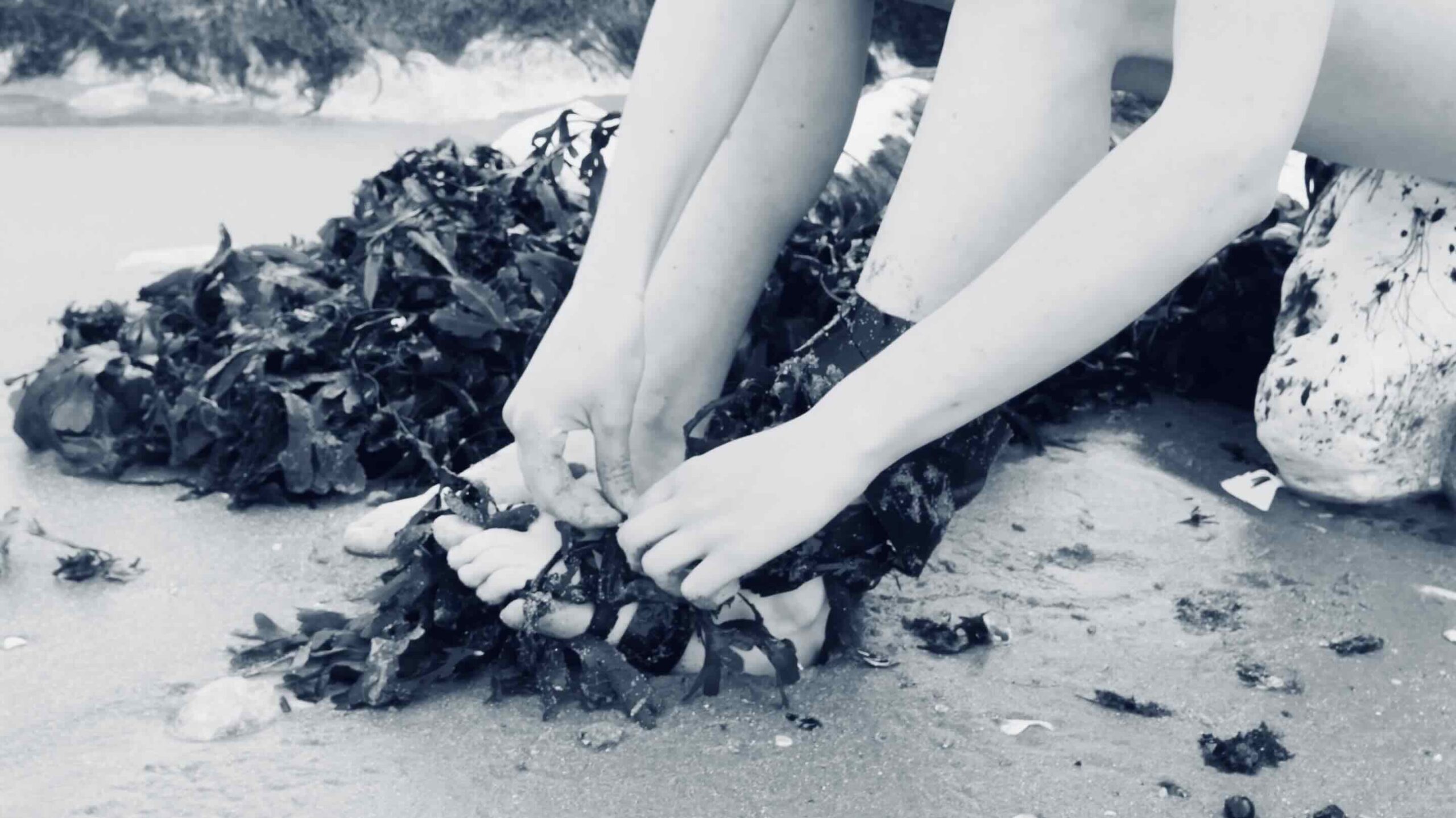
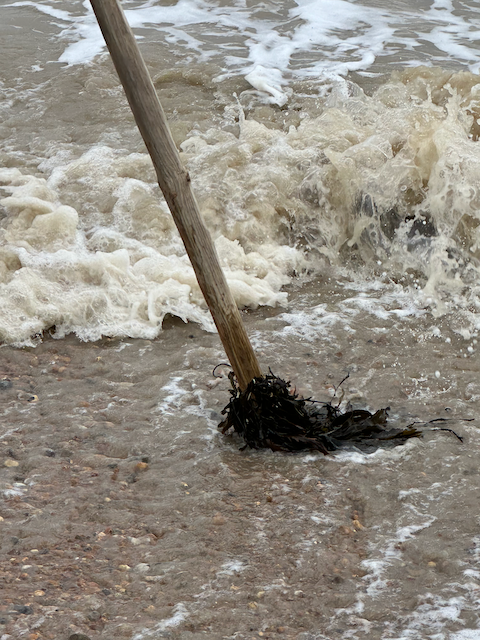
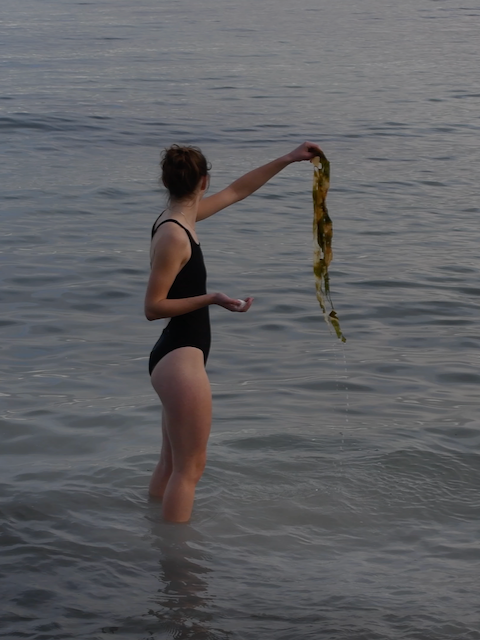
Futile Acts: The Seaweed Boots
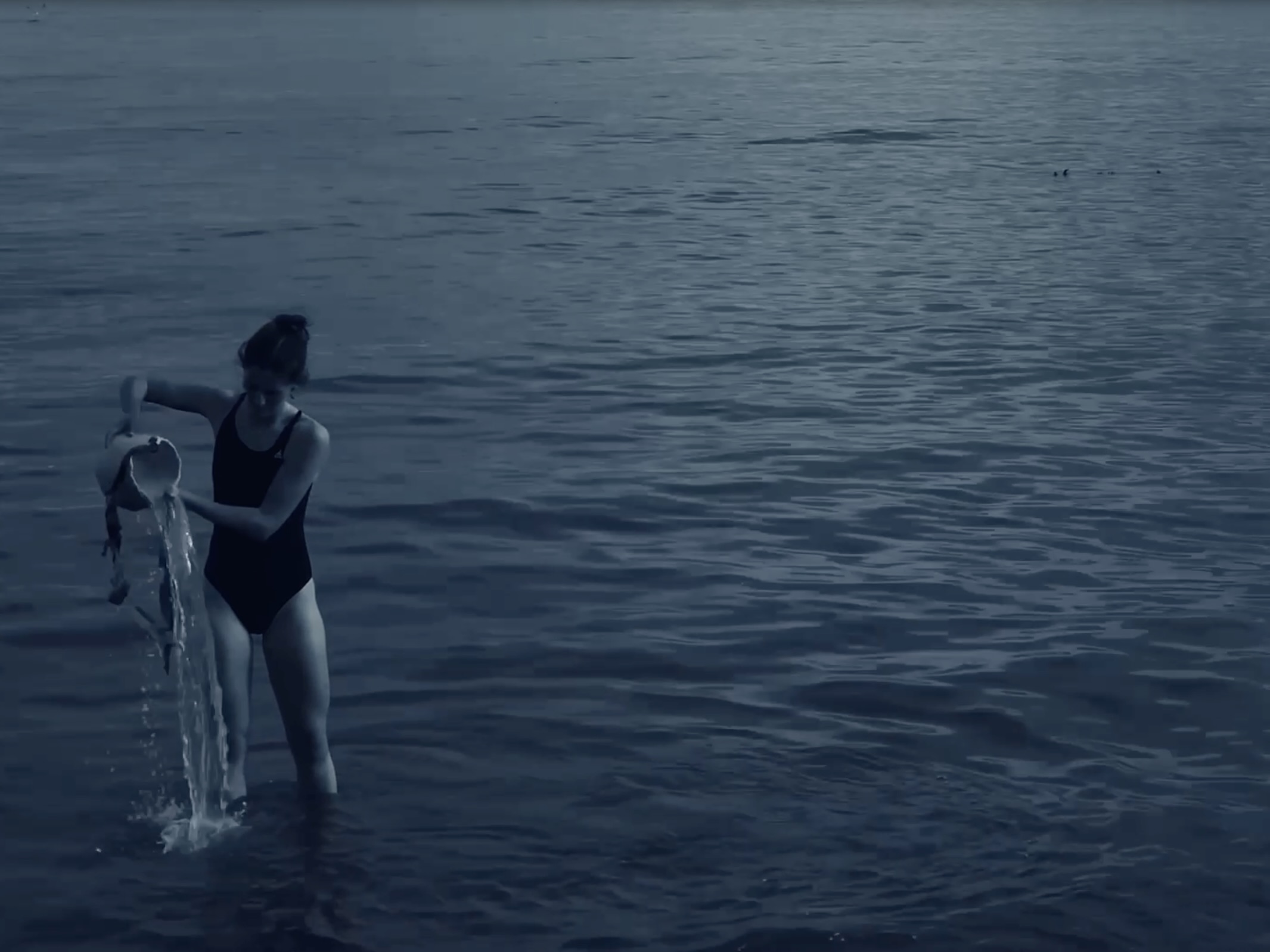
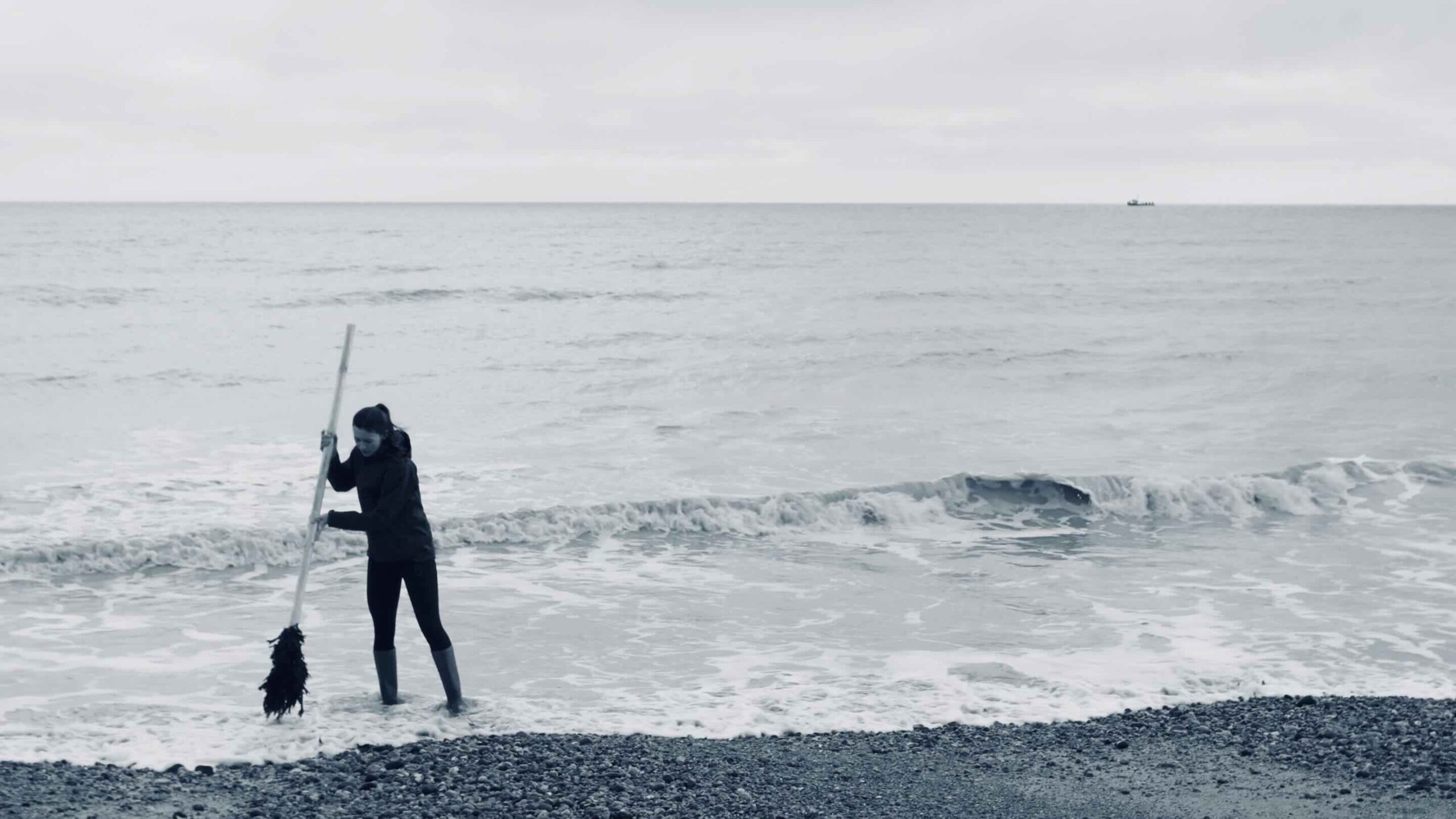
Issie creates Futile Tools, using chalk and seaweed, to intervene in the hydrological cycle and prevent flooding. Through a process of gathering, making and returning material, the shoreline becomes a site of exchange.
Her work is heavily influenced by Astrida Neimanis’ theory of hydrofeminism, which reimagines the human as a body of water within the global water cycle.
Living next to the tidal River Stour and close to the sea, Issie fears inevitable flood.
Echoing stories of King Canute and Sisyphus, these ecological acts of futile labour become an expression of her helplessness against the encroaching tide and highlight the ephemerality of our ecological stability.
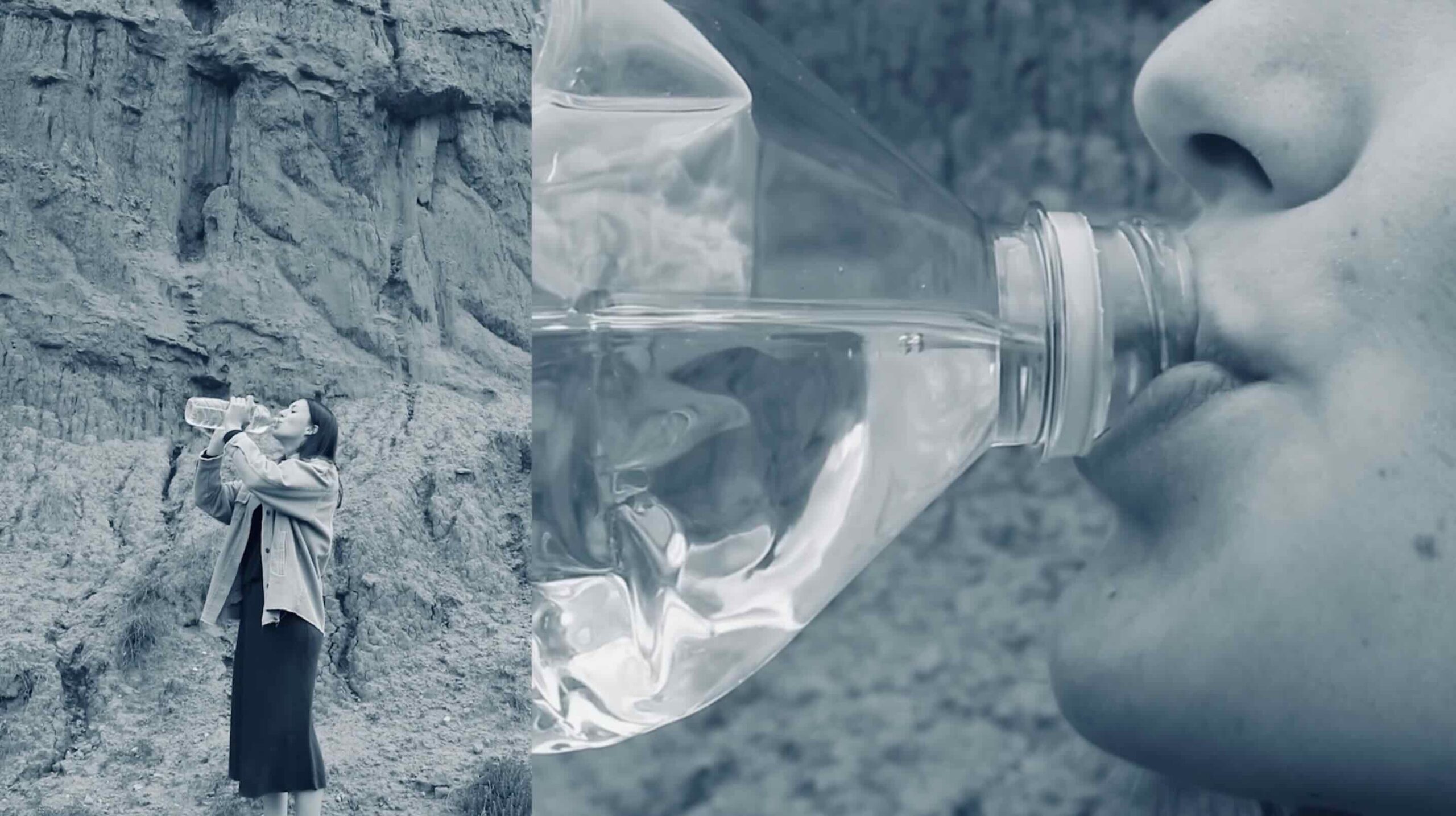
Futile Saturation – Teruel, Spain
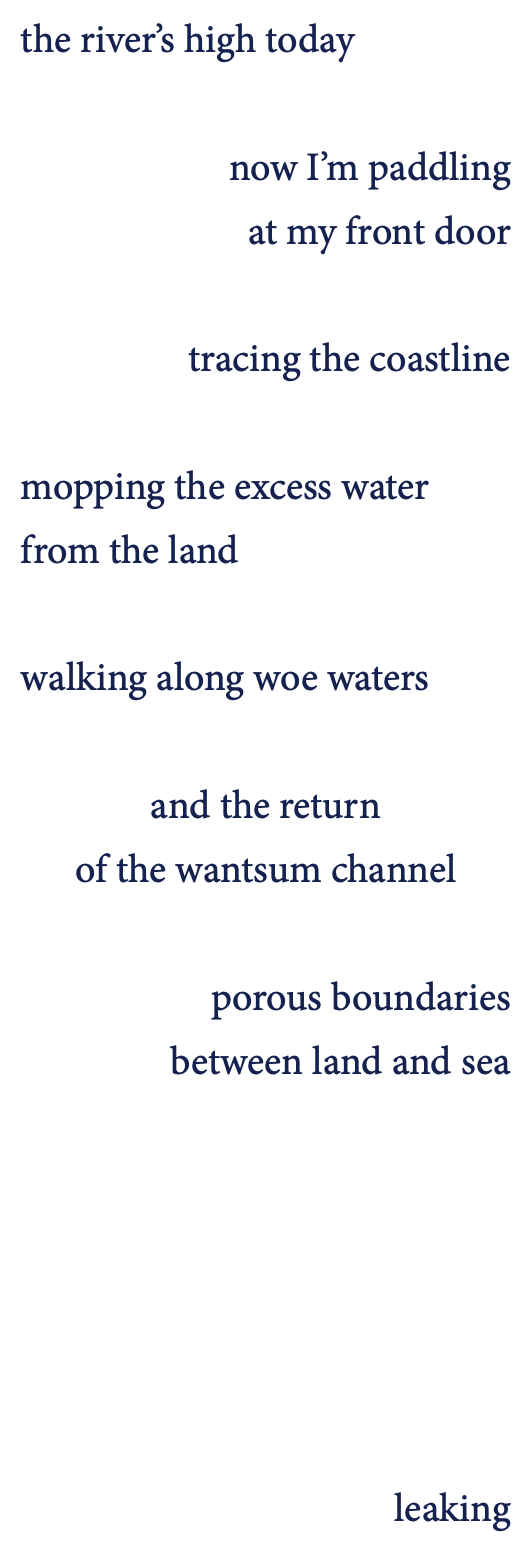
The Wantsum Channel – a body of water that once separated the Isle of Thanet from Kent – may return due to rising water levels. The low-lying land where Issie’s home sits, holds stories of colliding tides, Roman waterways and the slow deposition of sediment.
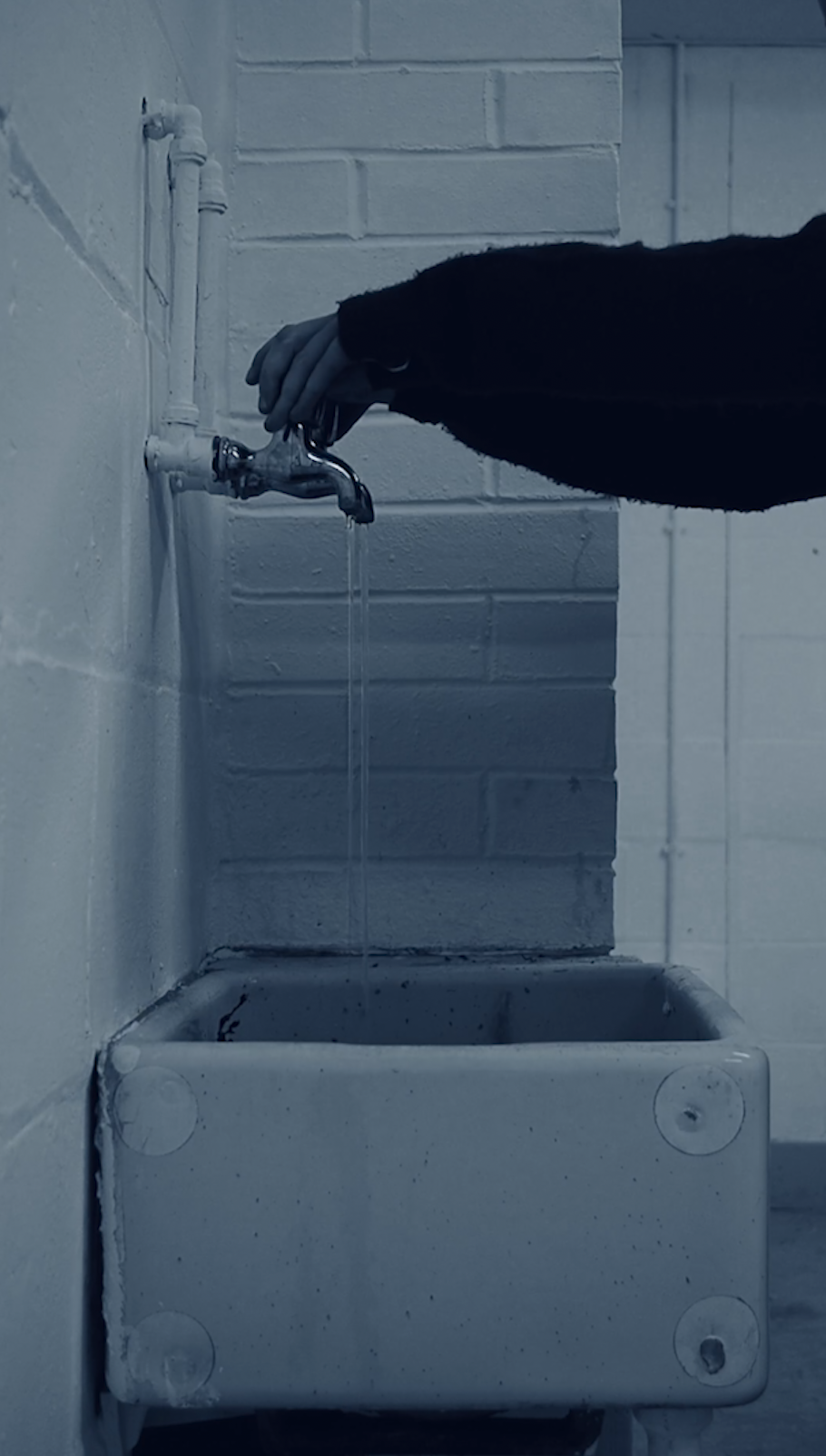
Her durational films capture fragile vessels, repetitive actions, overconsumption of water, the bad omens of woe waters, chalk streams and winterbournes, and the audible swoosh as she wades through the intertidal zone.
Futile Acts: The Seaweed Mop
‘we ebb and flow across time and space – body, to body, to body, to body’
Neimanis, 2012, p.7
Issie’s Bookshelf
Aquatic Encounters: a glossary of hydrofeminisms, A. Khodyreva & E. Suoyrjö
OCEANS, P. Syperek & S.Wade
Hydrofeminism: Or, On Becoming A Body of Water, A. Neimanis