With a focus on sustainability, spatial storytelling, and creative design solutions in order to create impactful, future-minded spaces. I pay attention to the user-experience to enhance my projects and ensure I am delivering user-centered solutions every time.
Final Project
GROVE – Growing Stronger, Together
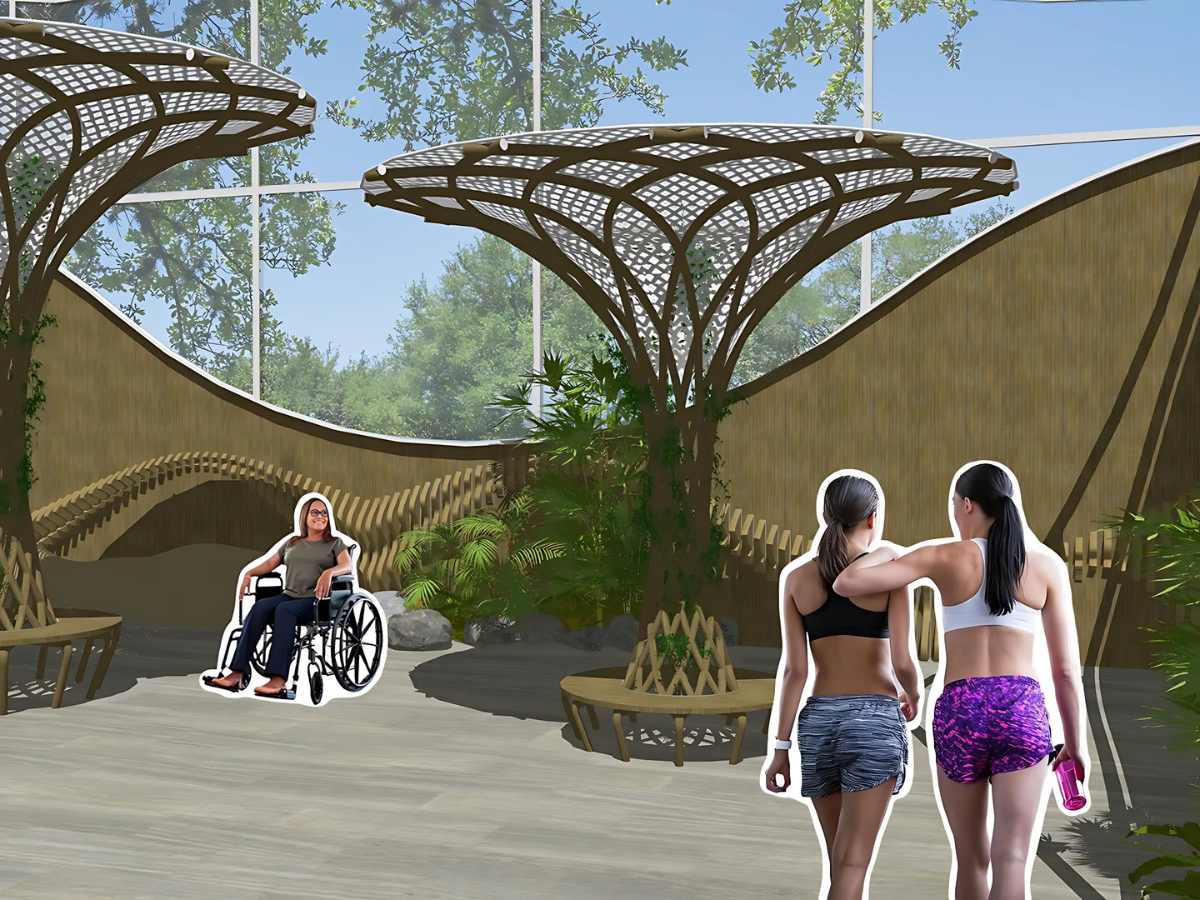
GROVE is an innovative student rehabilitation facility designed for injured athletes at Loughborough University.
It combines cutting-edge recovery technology, biophilic design principles, and social interaction to create an accessible, and supportive environment.
GROVE offers flexible, affordable recovery options that prioritise both physical and mental well-being. It empowers students to take control of their rehabilitation while fostering motivation and connection, throughout their journey back to sport.
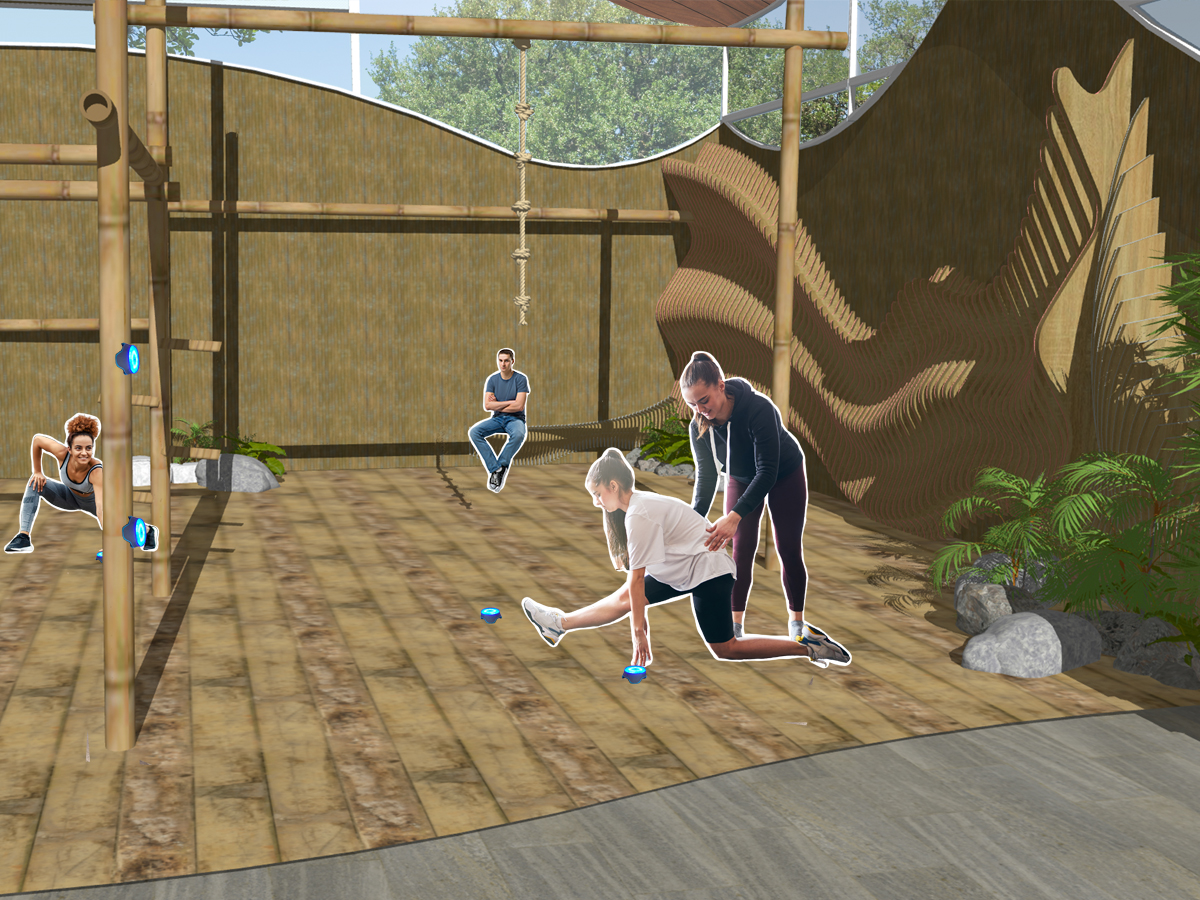
Open exercise spaces available in the facility. Encouraging the use of unique moves and interactions with the equipment by all users as well as communal spaces for informal interactions with one another.
Stage 2 Advert
User Experience
GROVE fosters a holistic environment where recovery is not just a medical task, but a motivating and shared experience. Users leave feeling recharged and ready to return to their daily lives with strength and confidence.
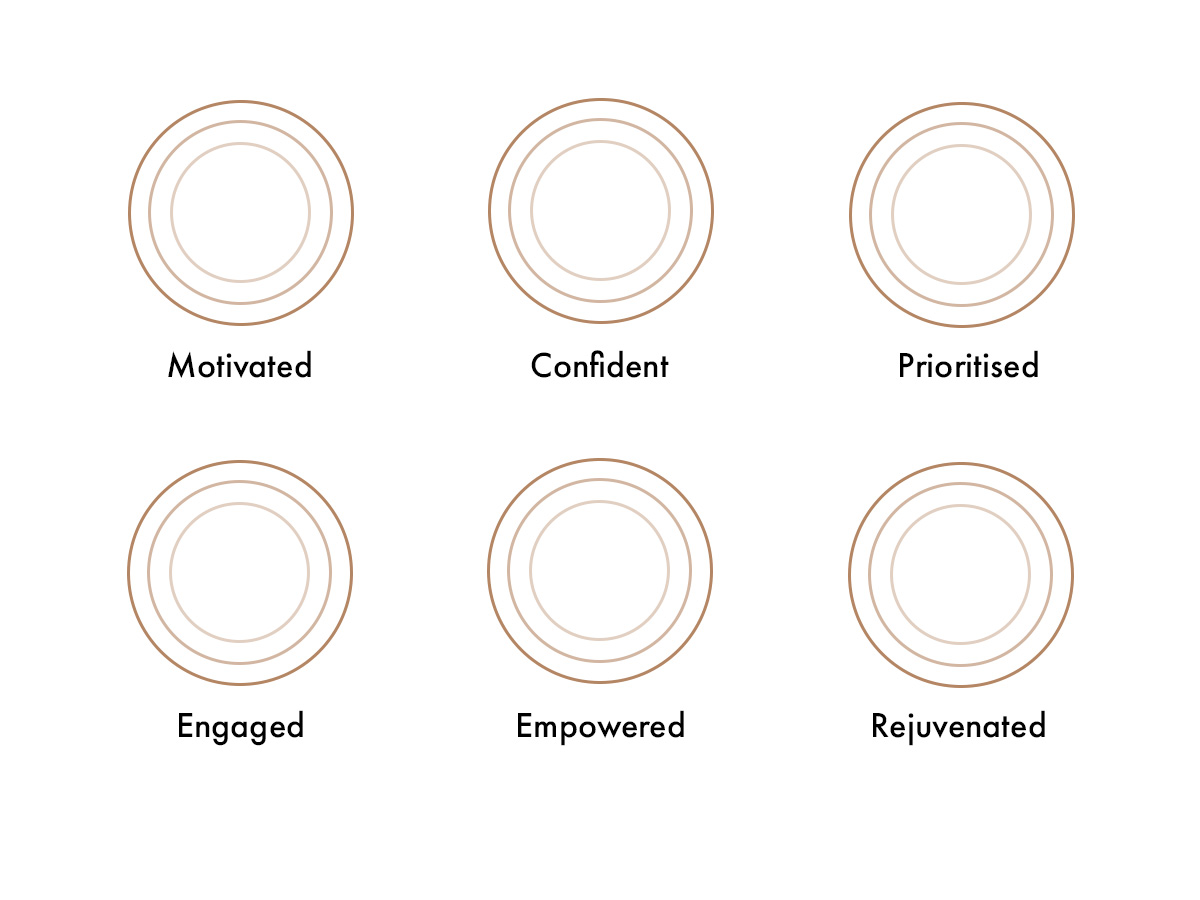
User Experience Principles: These fuelled my design decisions throughout the project, to ensure I was catering specifically towards the users needs.
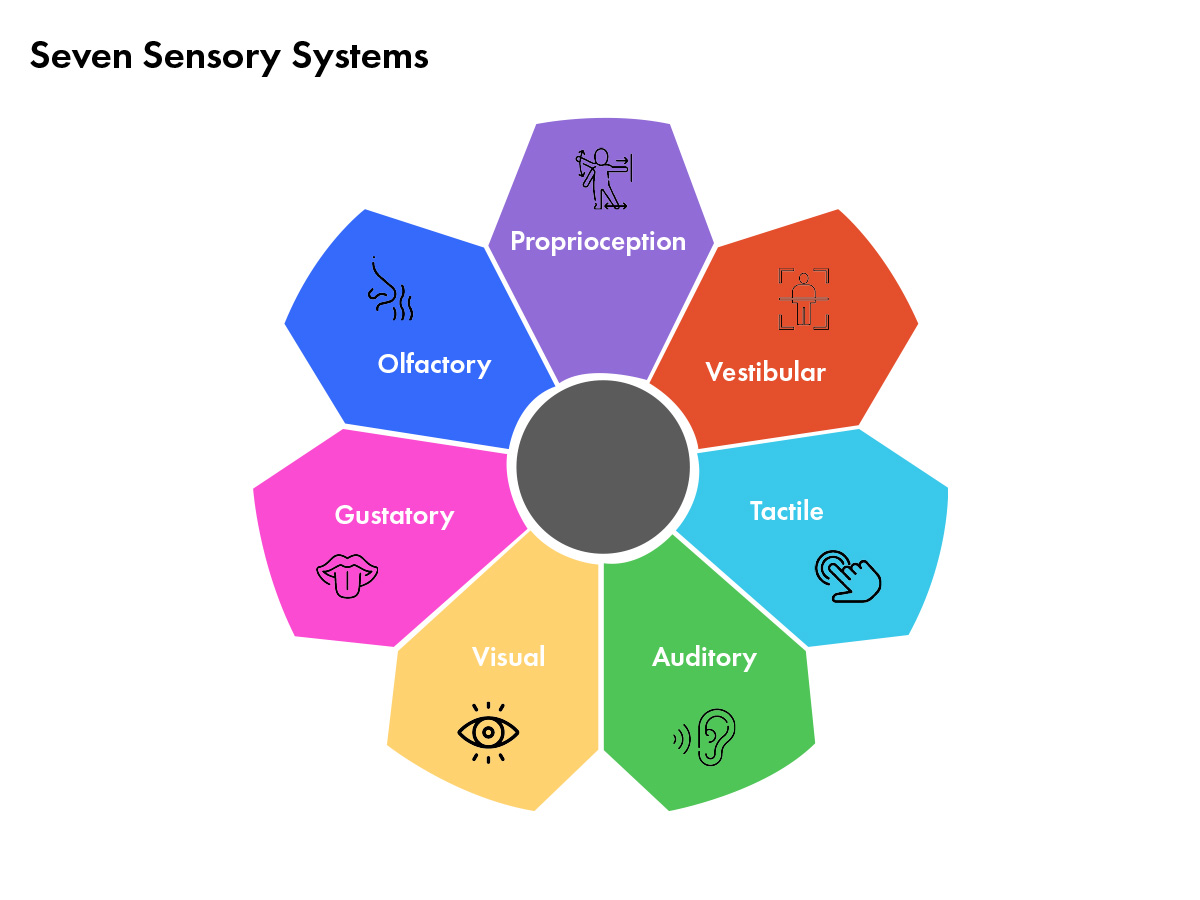
From natural lighting textures that calm the eyes and mind, to ambient nature sounds and subtle aromatherapy to reduce stress, every element is curated to enhance healing. Interactive equipment and spatial layouts promote movement and body awareness ensuring that users feel rejuvenated in a sensory-rich environment.
Backstage design strategies:
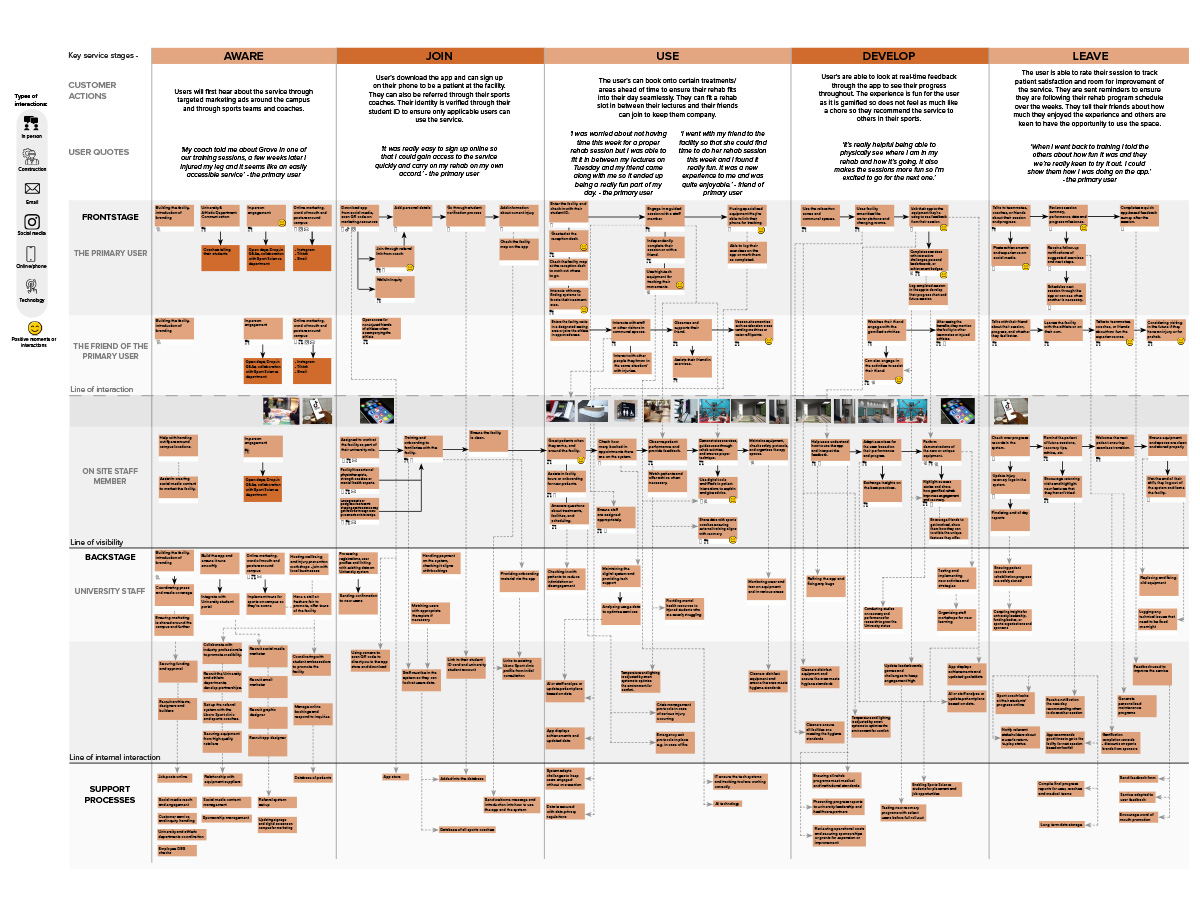
Service Blueprint – I used this tool to help me understand, analyse, and improve the delivery of the service from a user-centric perspective while keeping the stakeholders in mind throughout.
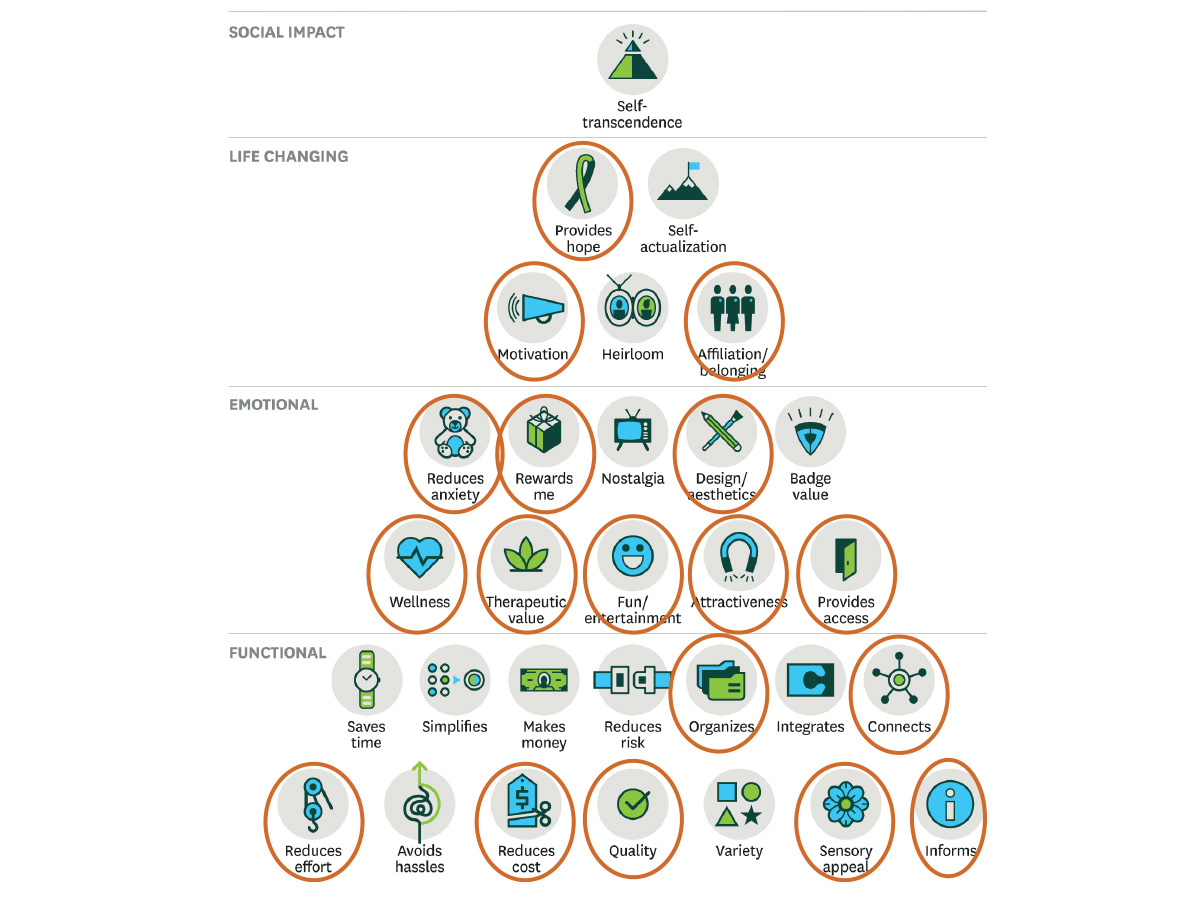
Value Pyramid Model – Evaluation of the values of my service assisted in then translating these into Value Tensions. This helped me understand the pain points of my service that needed to be addressed.
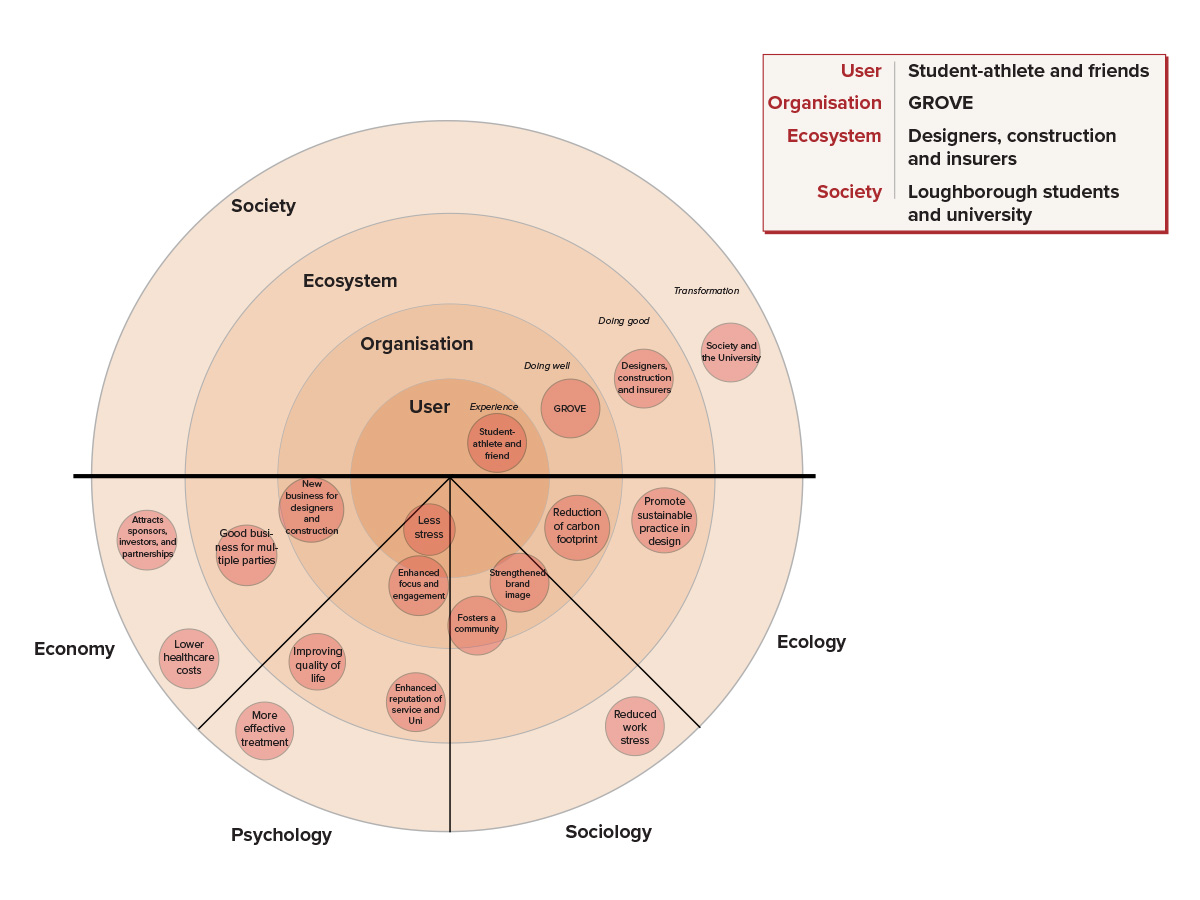
Den Ouden Model – Further evaluation of the values and where they are held in the ecosystem of the service. This allowed me to understand the societal effects.
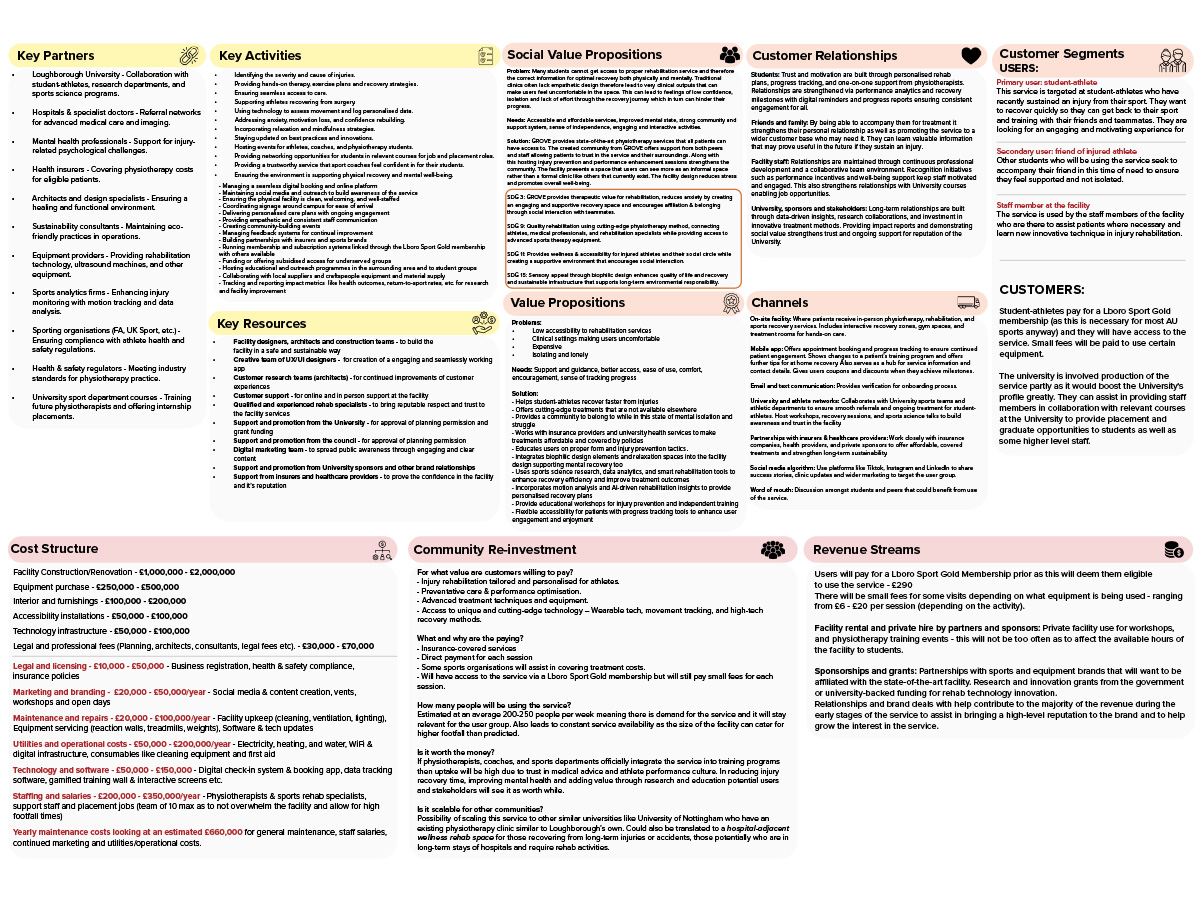
Social Model Business Canvas – This allowed me to look deeper into the inner-workings of the service and link the values previously addressed to the cost structure of the service as well as the key channels.
Sustainability project
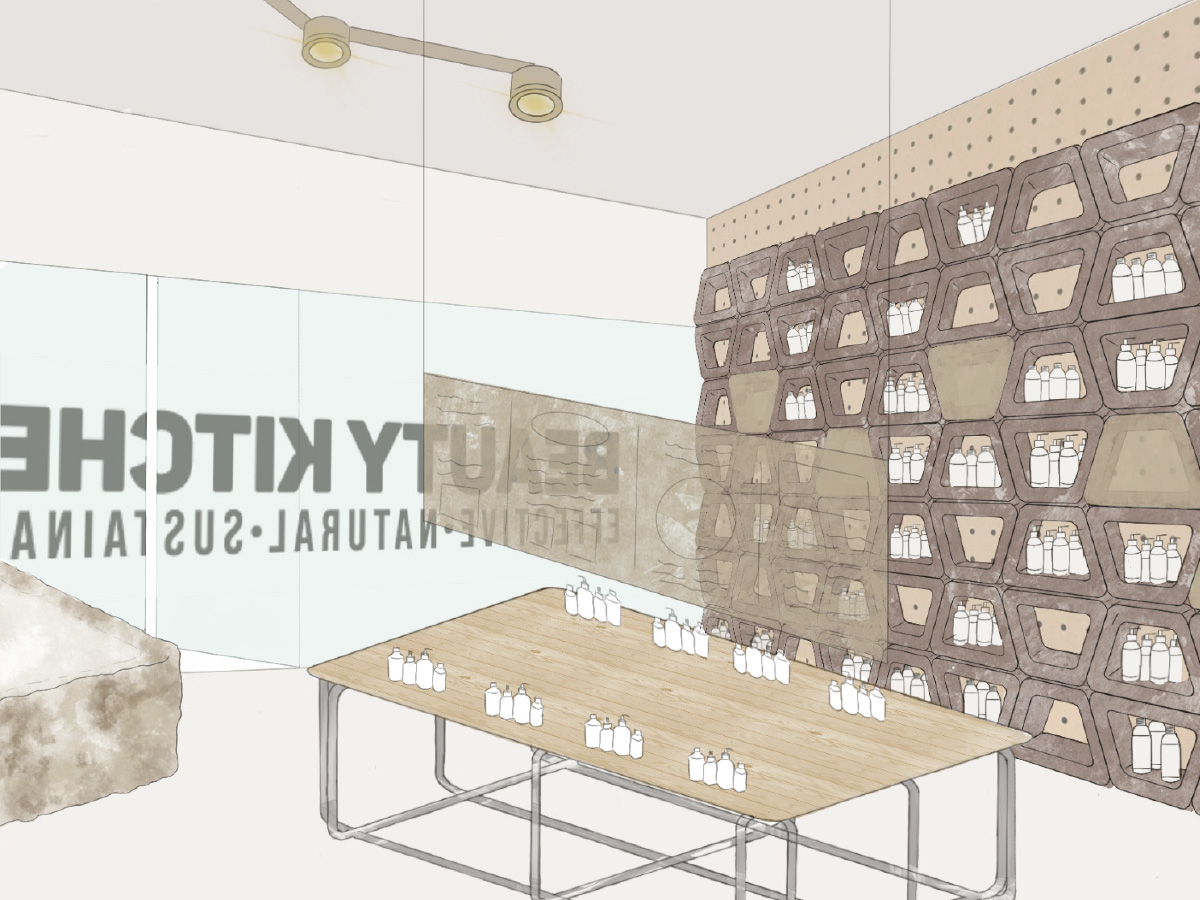
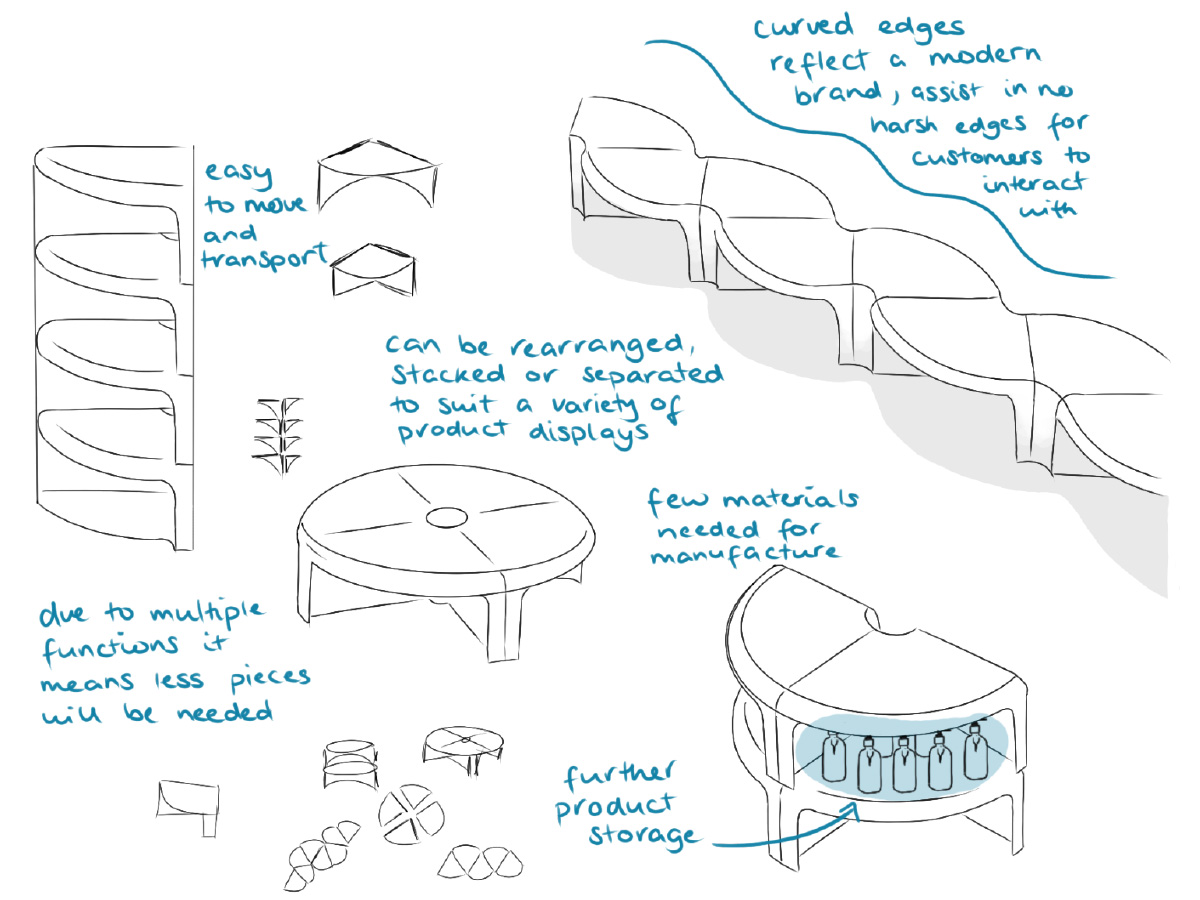
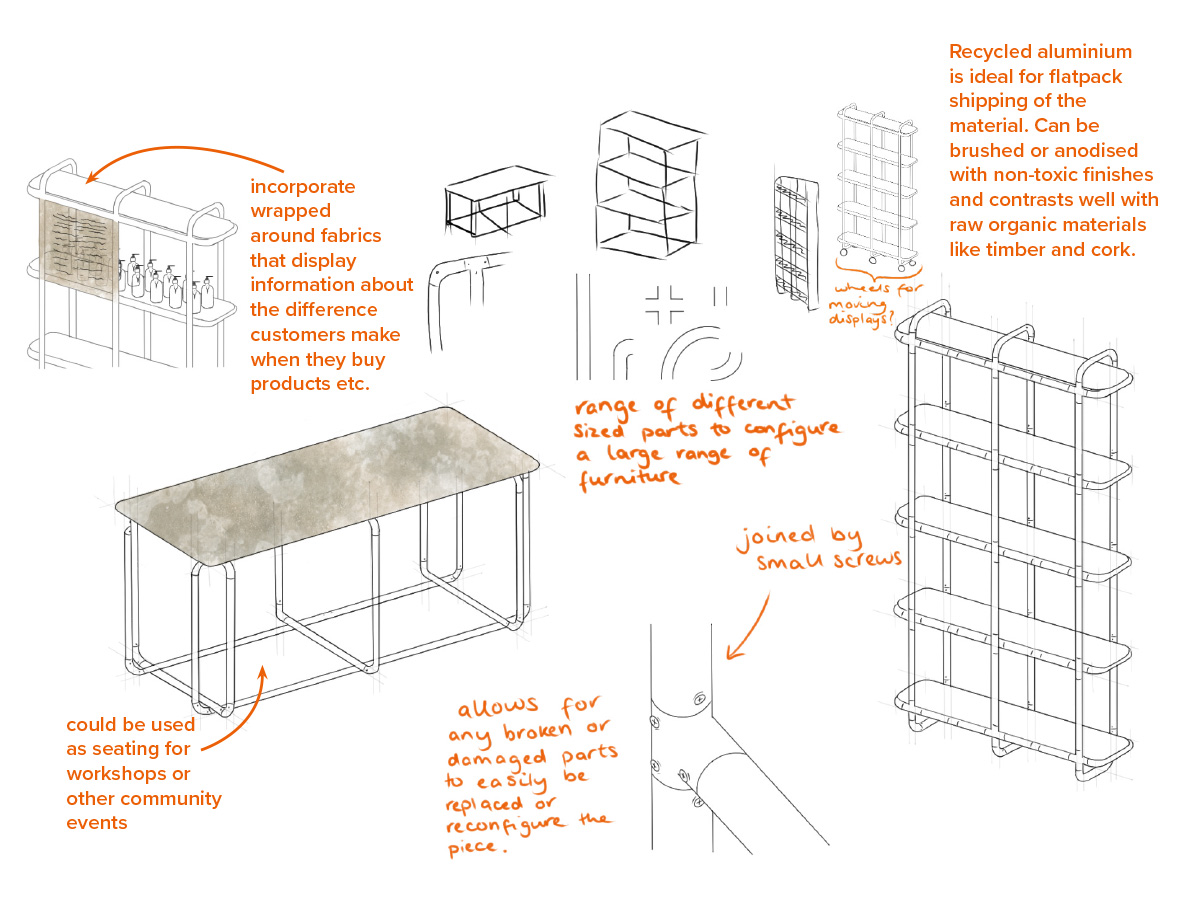
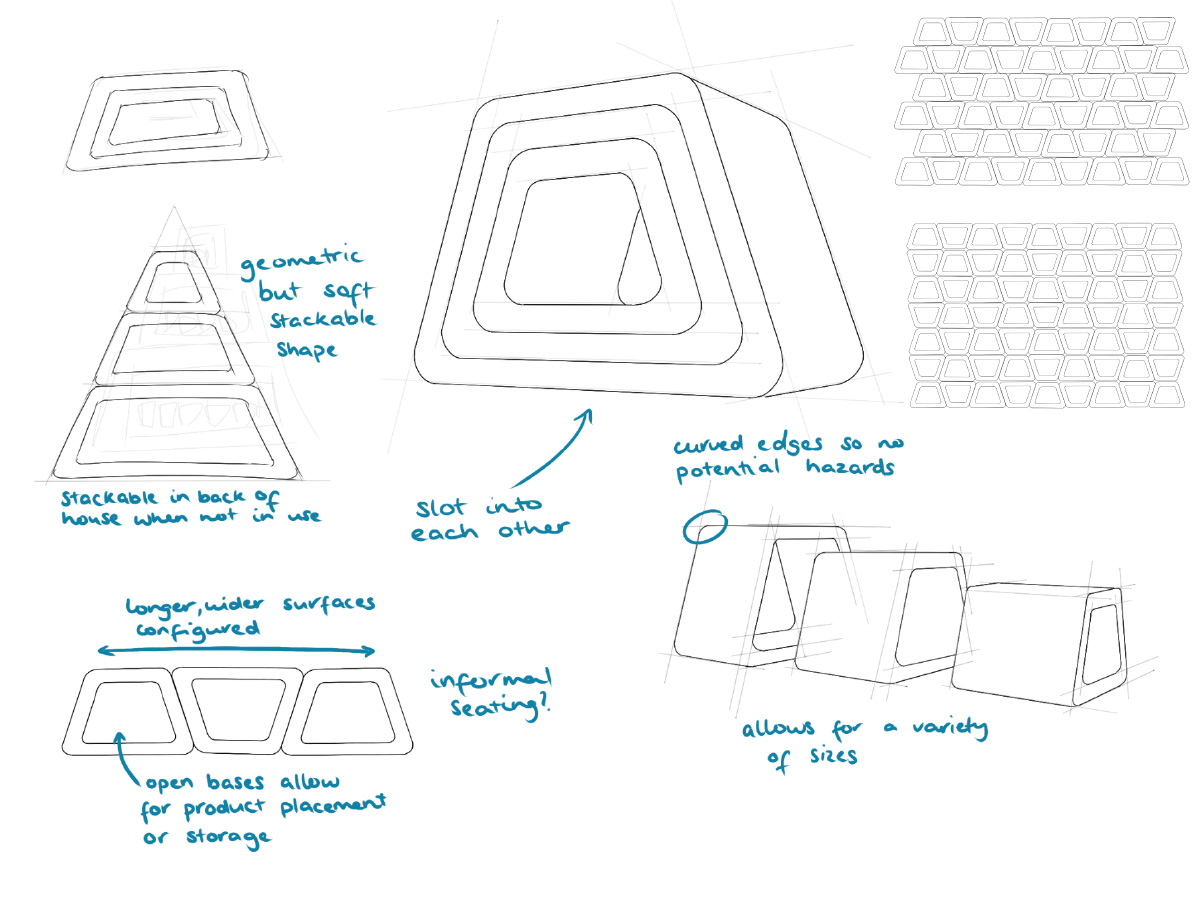
Sustainable Furniture Eco-series for a Beauty brand’s Flagship Store
Through iterative ideation and hands-on prototyping, I explored material choices, modular structures, and user interactions, allowing my design to evolve into a cohesive and eco-conscious collection that balances aesthetics with long-term usability.
I was able to successfully meet the brief and design for a chosen brand while ensuring a low store carbon footprint was met. This was ensured through calculating the carbon use of all materials considered.