I am an innovative industrial designer blending sustainability with functionality. I also have a strong interest in current global affairs, and I am therefore passionate about designing solutions which address topical subjects and real-world human issues.
CEPHRA – Hypothermia Rewarming. Rescue Ready.
The Problem
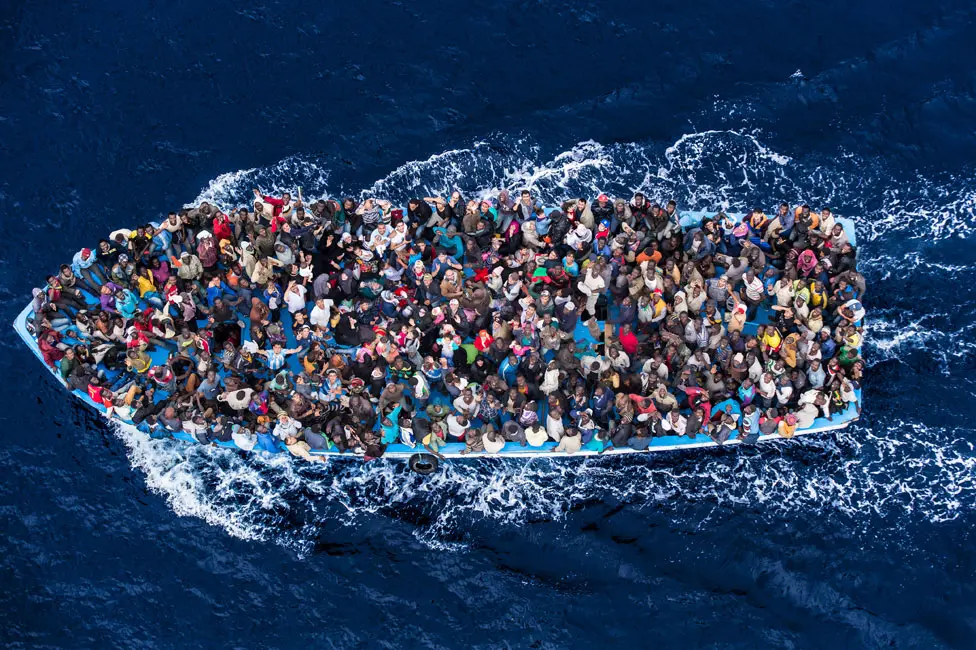
Six times as many people died in 2024 compared to 2023. This is due to a number of factors but chief among them is the fact that people smugglers are forcing migrants out on more and more crowded vessels. In 2024 the average number of people per boat was 53. Crossing attempts continue to rise, up 24% from 2023 and the crisis remains at the center of public attention. Two thirds of migrants picked up by coastal rescue have fallen victim to hypothermia.
At sea, the average time from a distress call to rescue is 4.5 hours, but hypothermia can be fatal in less than an hour in some British waters. Treating hypothermia involves passive methods (shelter, blankets, dry clothes), active methods (warm drinks, hot water bottles), and internal clinical techniques (warm humidified oxygen, IV fluids). Severe hypothermia requires internal or active rewarming, as the body is no longer producing much of its own heat and poor blood flow to the skin limits heat transfer to the core. Safe and effective rewarming prioritizes the body’s core, ensuring it is done evenly and in a controlled manner.
Coastal rescue services have a distinct lack of active rewarming measures. In conversation with an active RNLI crew member, he explained how currently, all they can do is wrap people in blankets in an attempt to insulate them from further heat loss. Unfortunately, insulative measures are not enough in more severe cases of hypothermia. The thermoregulatory system of cold and fatigued casualties no longer produces heat making insulative measures useless. Active rewarming measures must be implemented to have any effect on many hypothermic casualties. Rescue teams lack the tools to deal with these casualties.
Overcrowding of migrants onto small boats often results in coastal rescue services encountering large groups in need of assistance at once. A solution is needed to actively rewarm multiple people simultaneously. This design should build upon existing rescue tools, such as blankets and jackets, and be easily distributed in large quantities during emergencies. Additionally, due to this high number of casualties the device should also serve to identify to crew who is being treated with hypothermia.
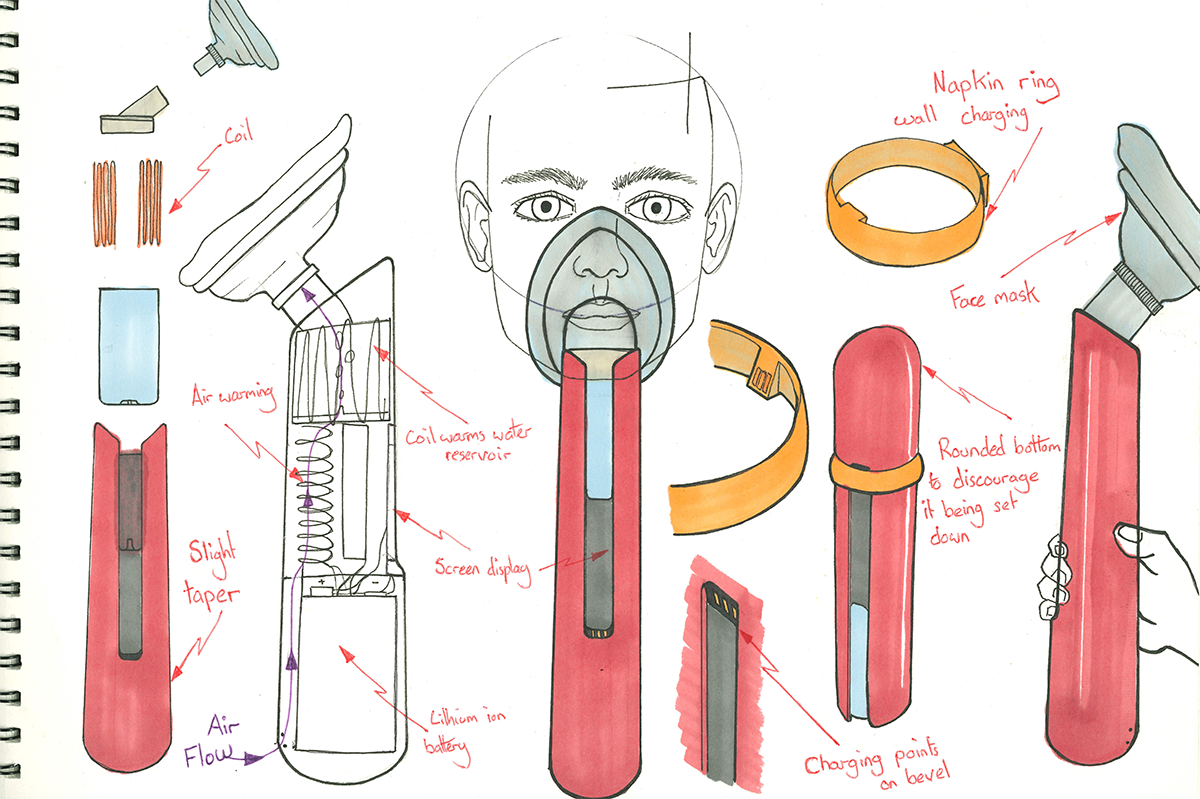
During my initial development I investigated the use of warm humidified oxygen. Looking at how this technology can be scaled down from hospital machinery and used instead in the field. While I found this traditionally, medical, industrial design route interesting, I felt the natural solution was in a wearable, textiles based approach. Following the problem lead me away from conventional industrial design and towards the textiles and fabrications department to begin discussions about manufacture and development.
Development
From early on in the design process I have been working alongside the textiles department to see how my developing design can be manufactured. This collaboration has been crucial in guiding my design decisions in response to manufacturing constraints and opportunities.
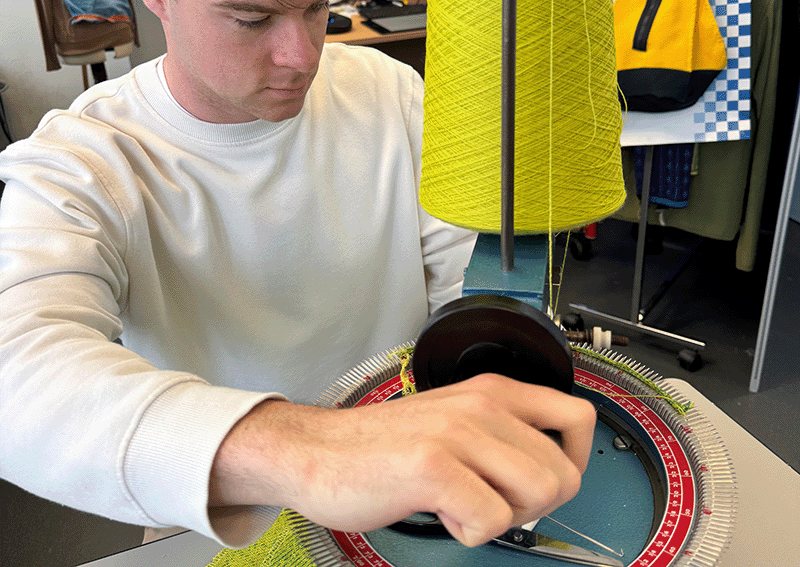
As my design developed I have been working on the industry standard Shima knitting machine to produce prototypes and swatches for testing. This exposure to manufacture through the design process allowed me to alter my design depending on the manufacturing limitations of knit, while also enlightening me on the design manufacturing opportunities which allowed my product to grow in effectiveness and viability.
An example of some of the discoveries I made is my exploration of different knit structures. These revelations often inspired a new line of thinking. A hands on understanding of textiles manufacture was crucial throughout the development process. It was especially important for me as CEPHRA is not a traditional industrial design product. Before this project I had a limited understanding of textile design and manufacture, so weaving design for manufacture through the project allowed me to understand constraints quickly and realise opportunities early enough.
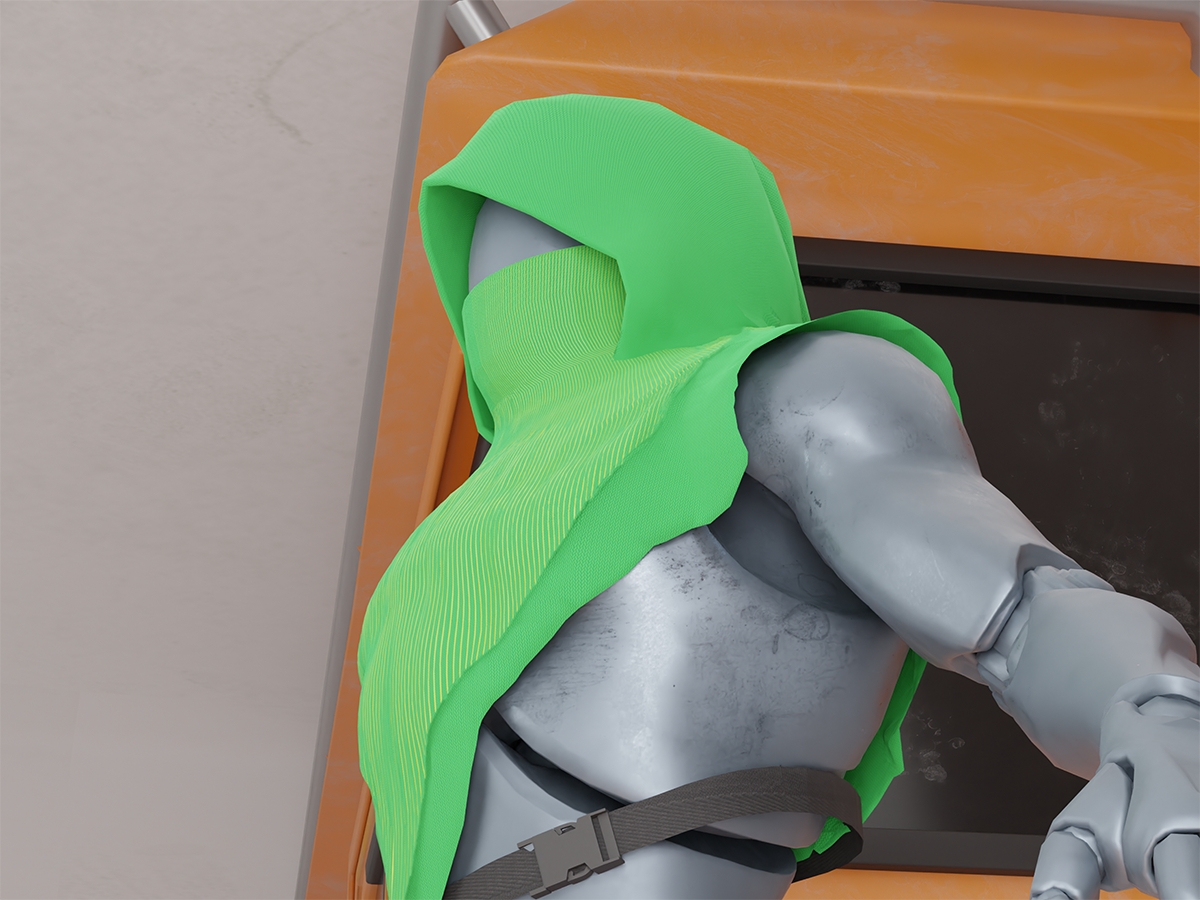
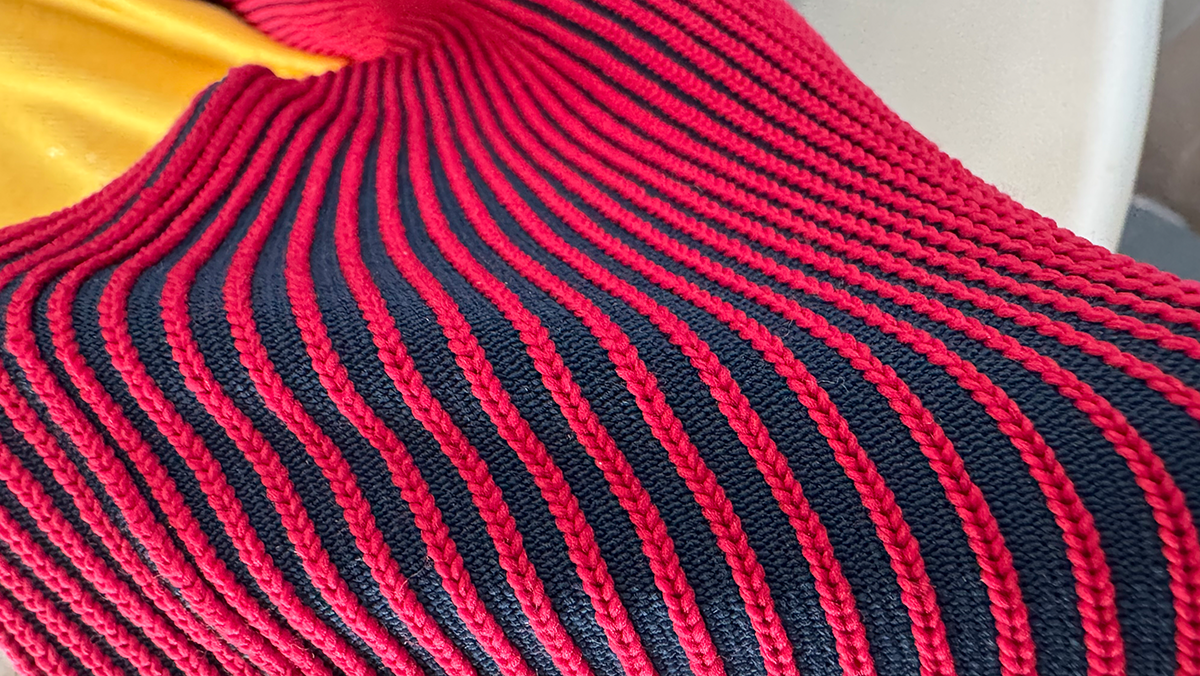
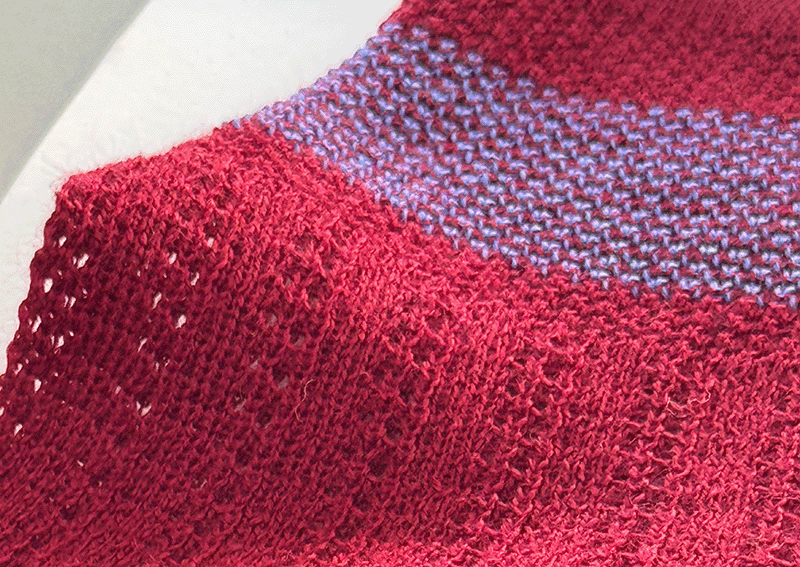
A ribbed knit pattern with a two-tone coloured platting allows me to improve user comfort while also incorporating a moire pattern, highlighting casualty movement.
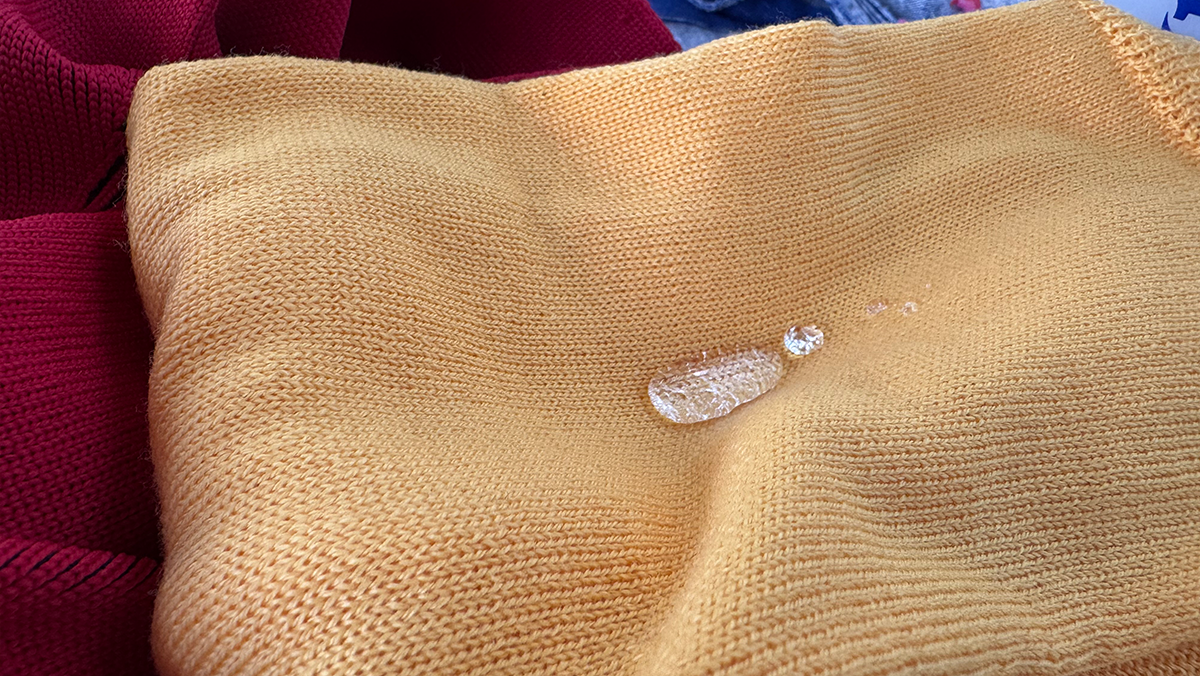
Testing the moisture management properties of merino wool on a swatch of material.
Successfully knitting a plated rib structure in two distinct colours. This knitting technique on the Shima machine means CEPHRA can be made to shape with no waste.
Investigating how breath-ability can be improved using different knit structures.
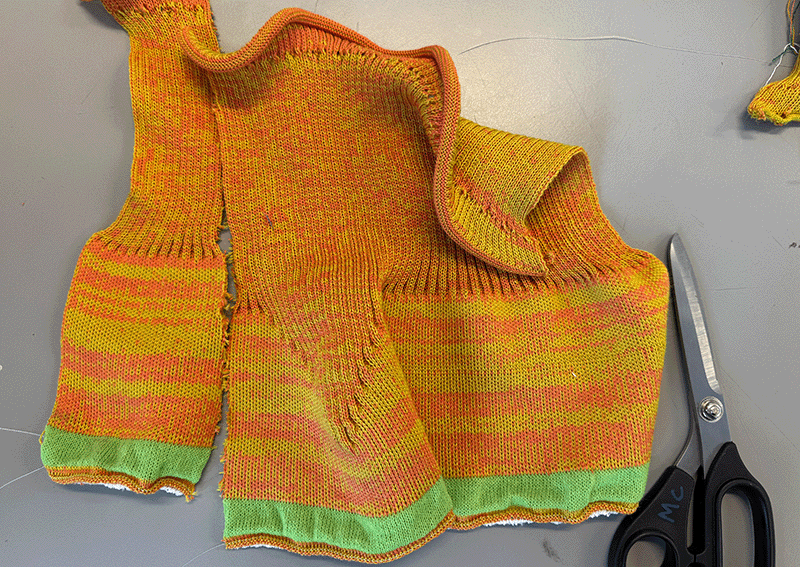
A failed platting swatch showed me that the yarns used were too similar, meaning a different blend needed to be used.
Getting an understanding of techniques like overlocking and chain linking being used to join or contain knitted structures.
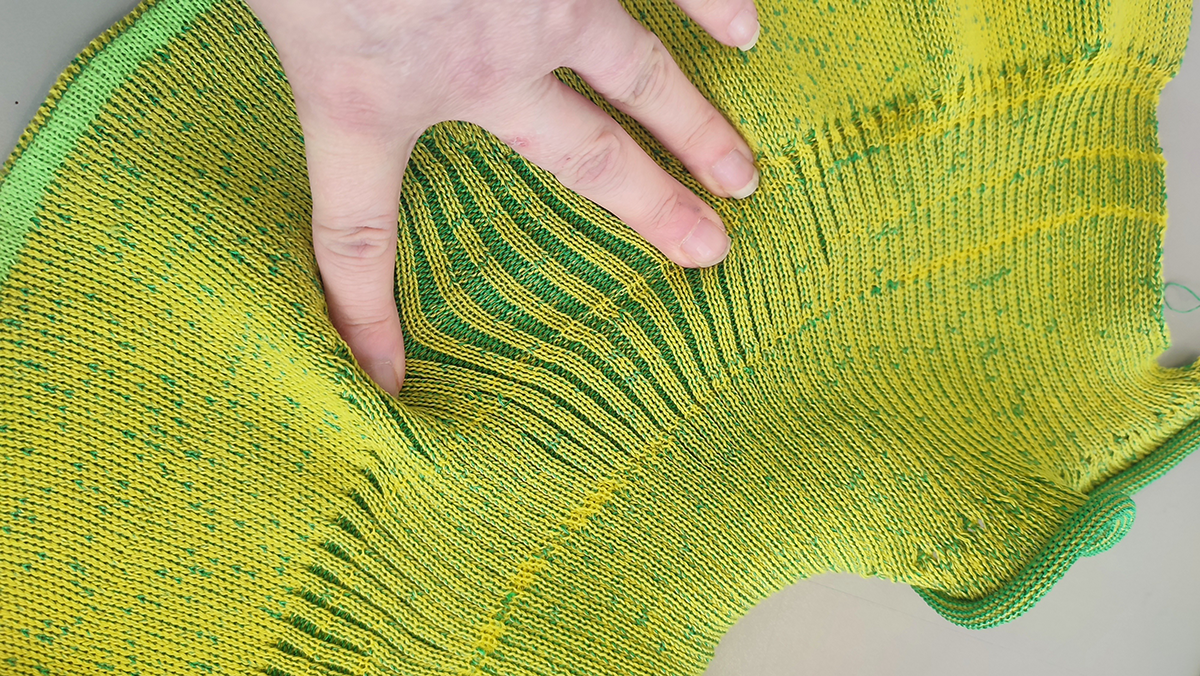
Investigating how two knit structures can be transitioned between when the design is knitted on a Shima.
Considering the Service
How this device operates in a wider service is fundamental to its feasibility and success. That is important to me, feasibility. I wanted to design products that could and would work in a real-world scenario.
The reason service is so important for CEPHRA is due to its reusability. How the device is used and what happens to it once it has been used are crucial responsibilities of the designer which can easily be overlooked.
Understanding, demonstrating and responding to how this device fits into a circular service is what makes CEPHRA the well-considered, deployment ready, intervention that it has become.
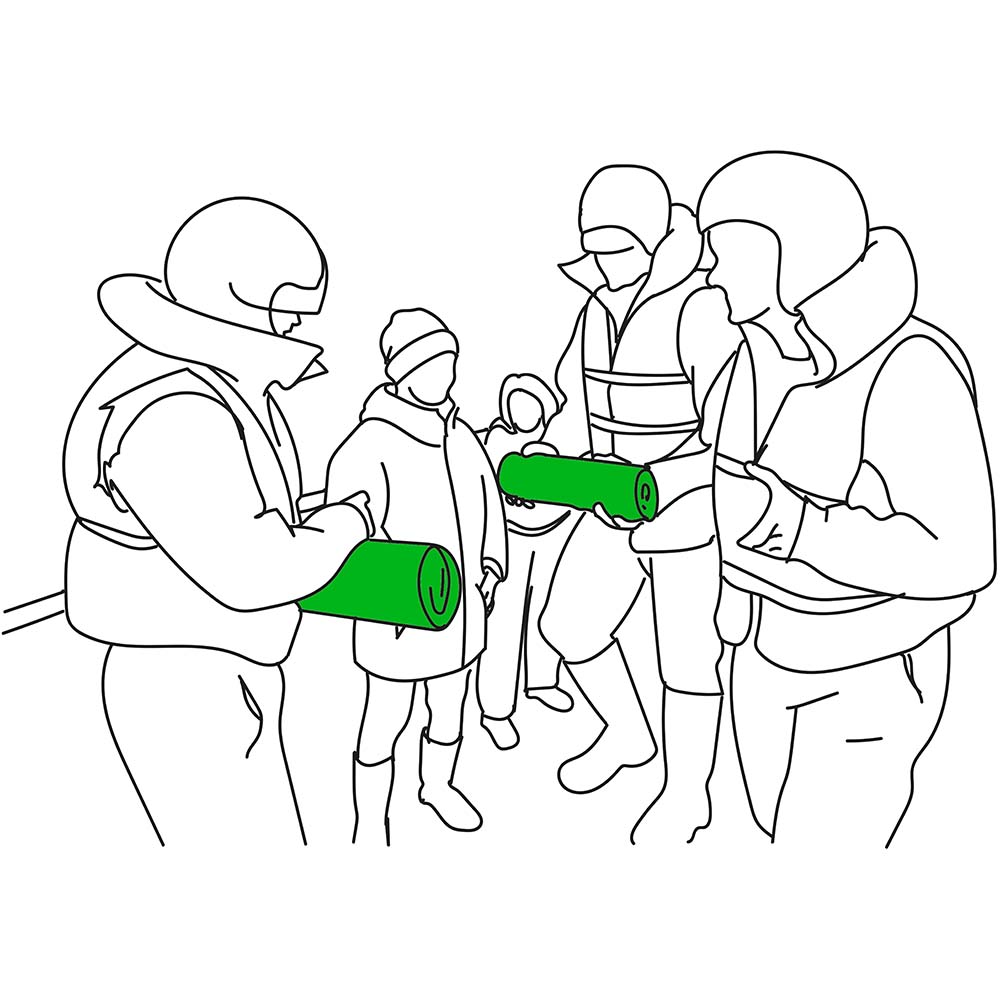
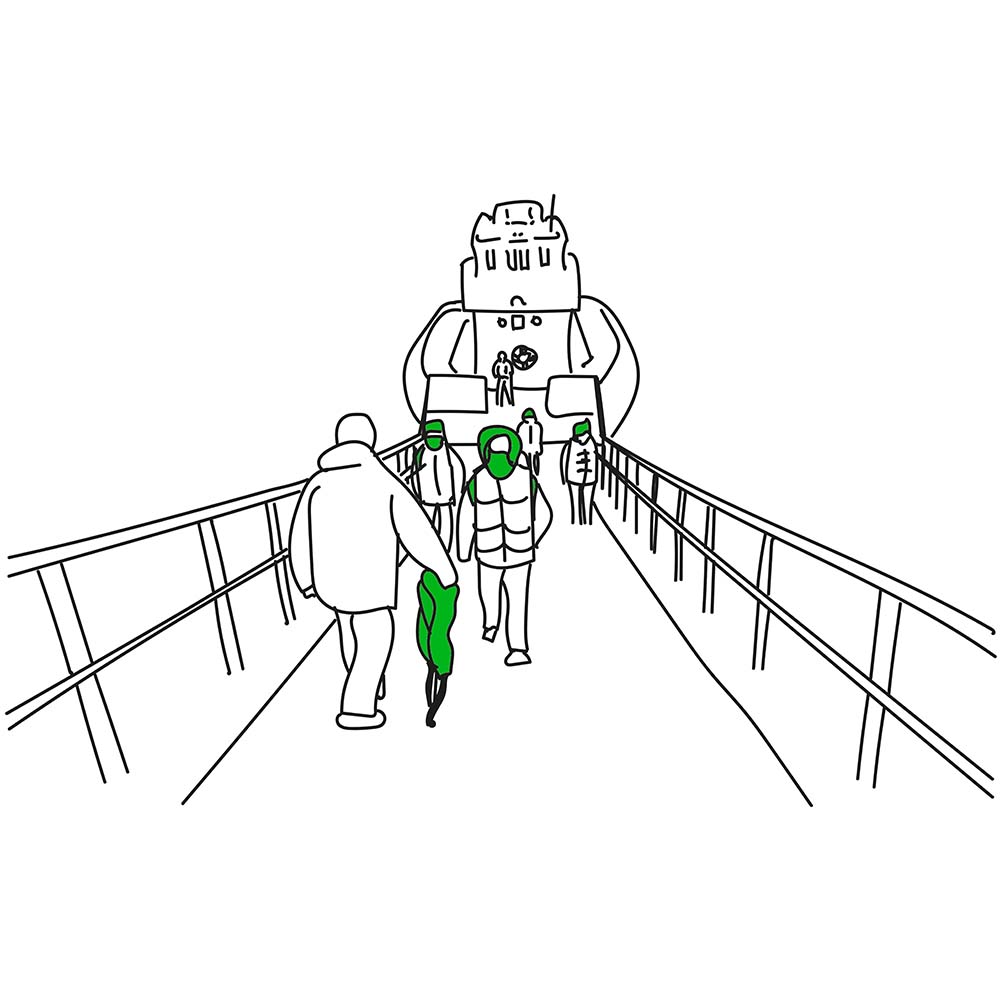
Up to 70 refugees can be rescued from one boat on the channel. Almost always they are picked up wet. Once everyone is aboard, RNLI crew will identify the dangerously cold casualties.
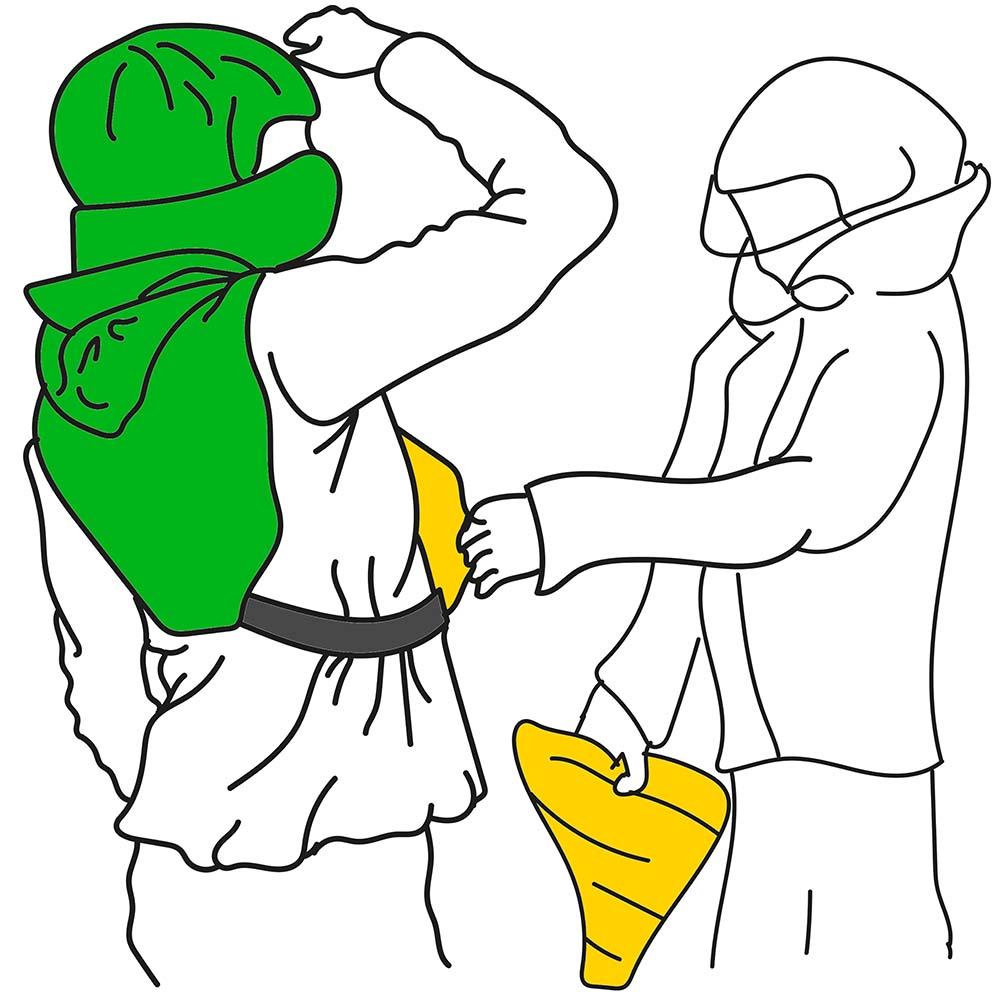
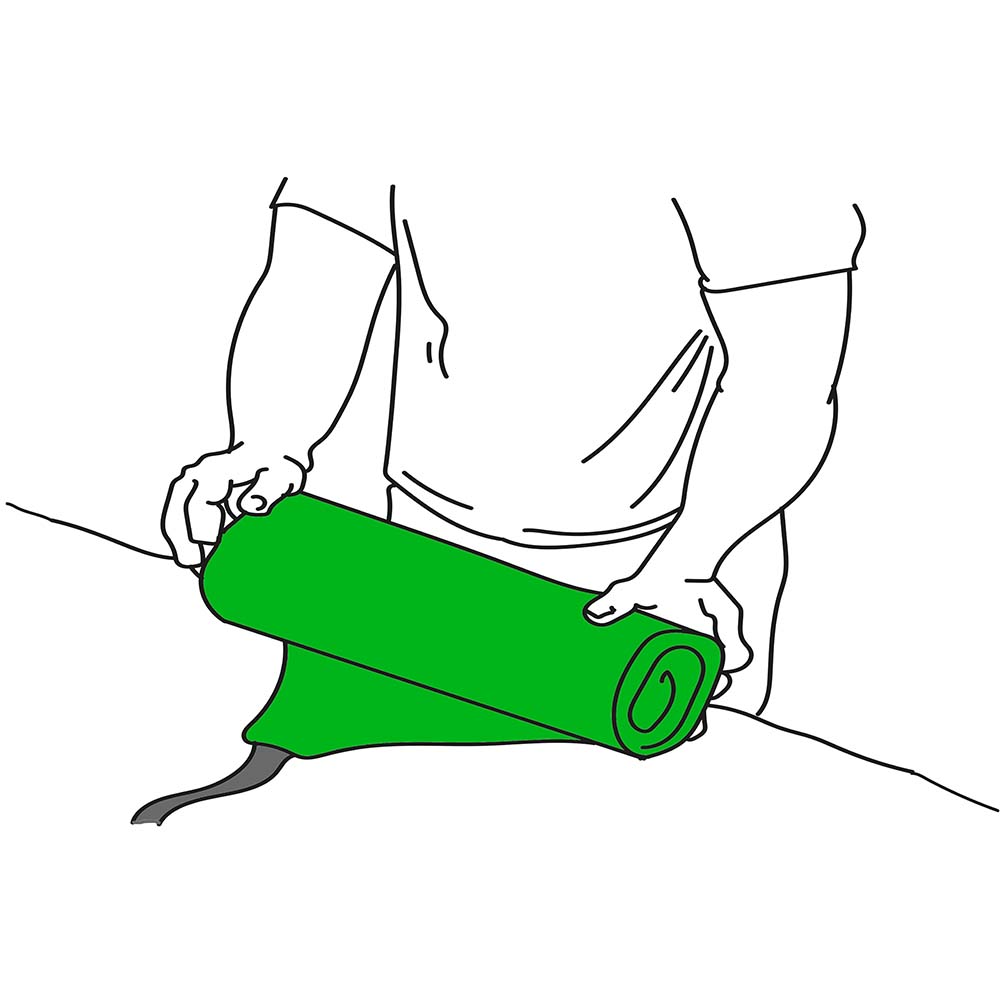
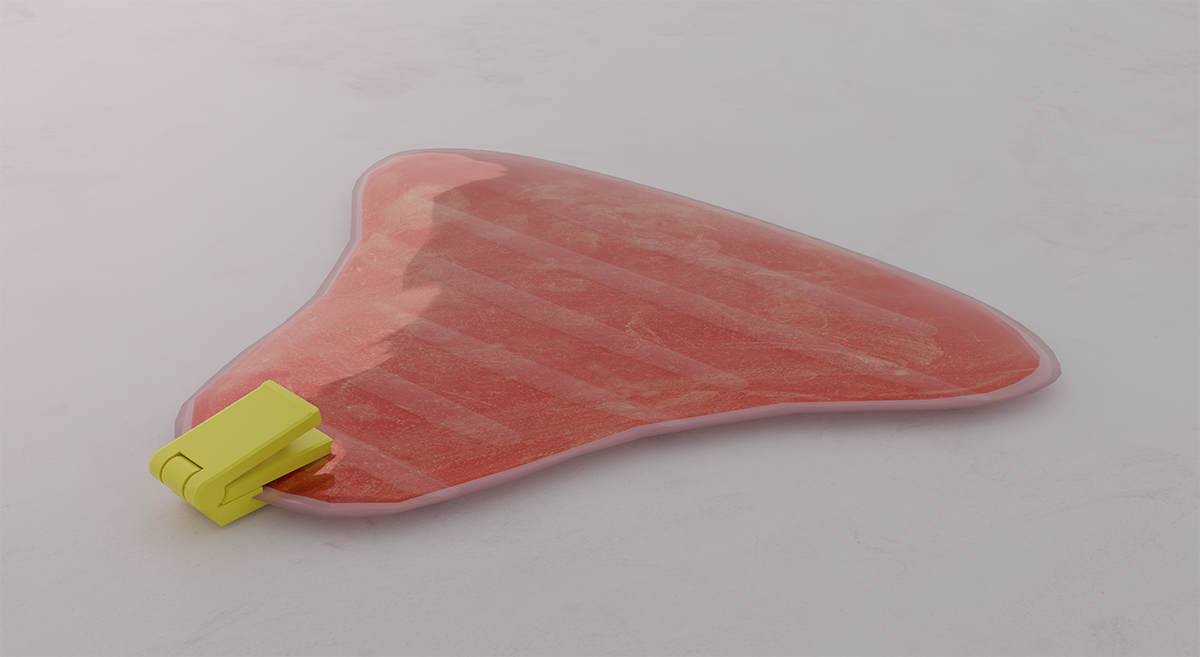
CEPHRA comes rolled up tight, making it easy to distribute between crew. Before being handed to a casualty a large yellow clip makes activating the gel pads easy, even with cold hands.
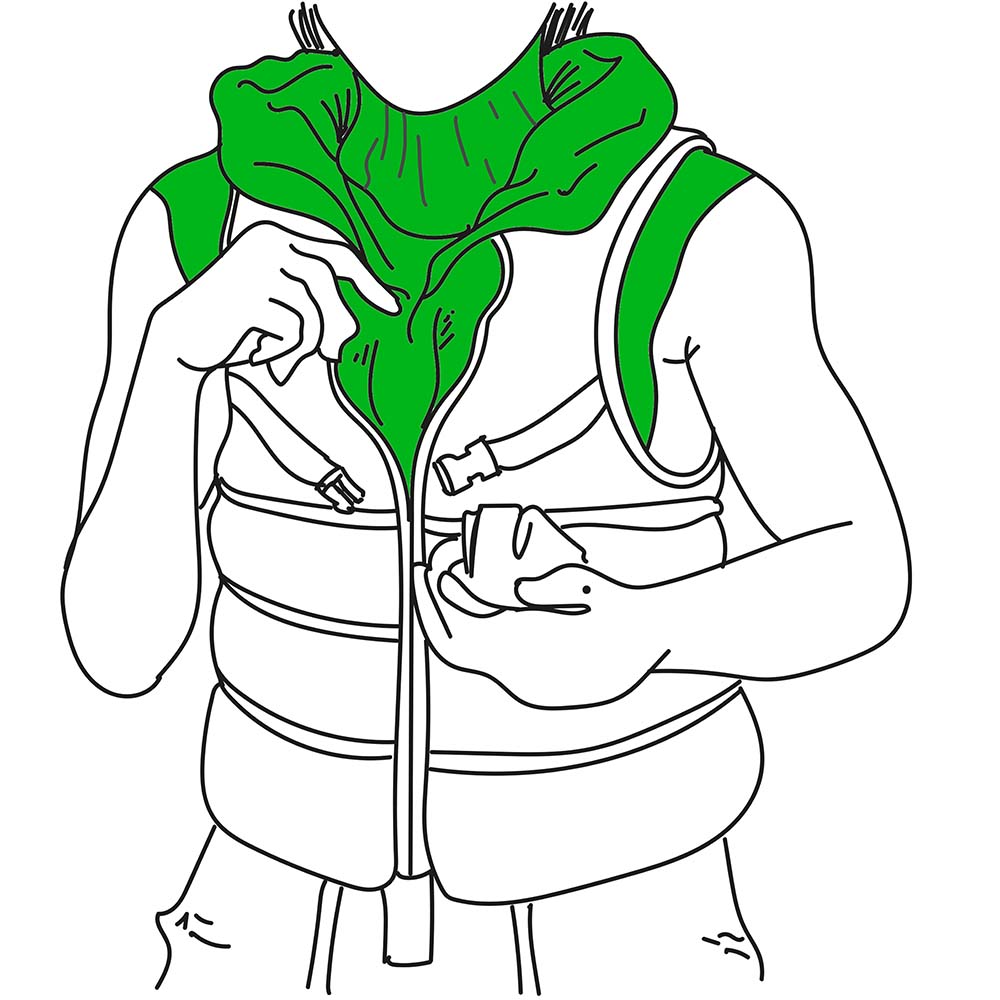
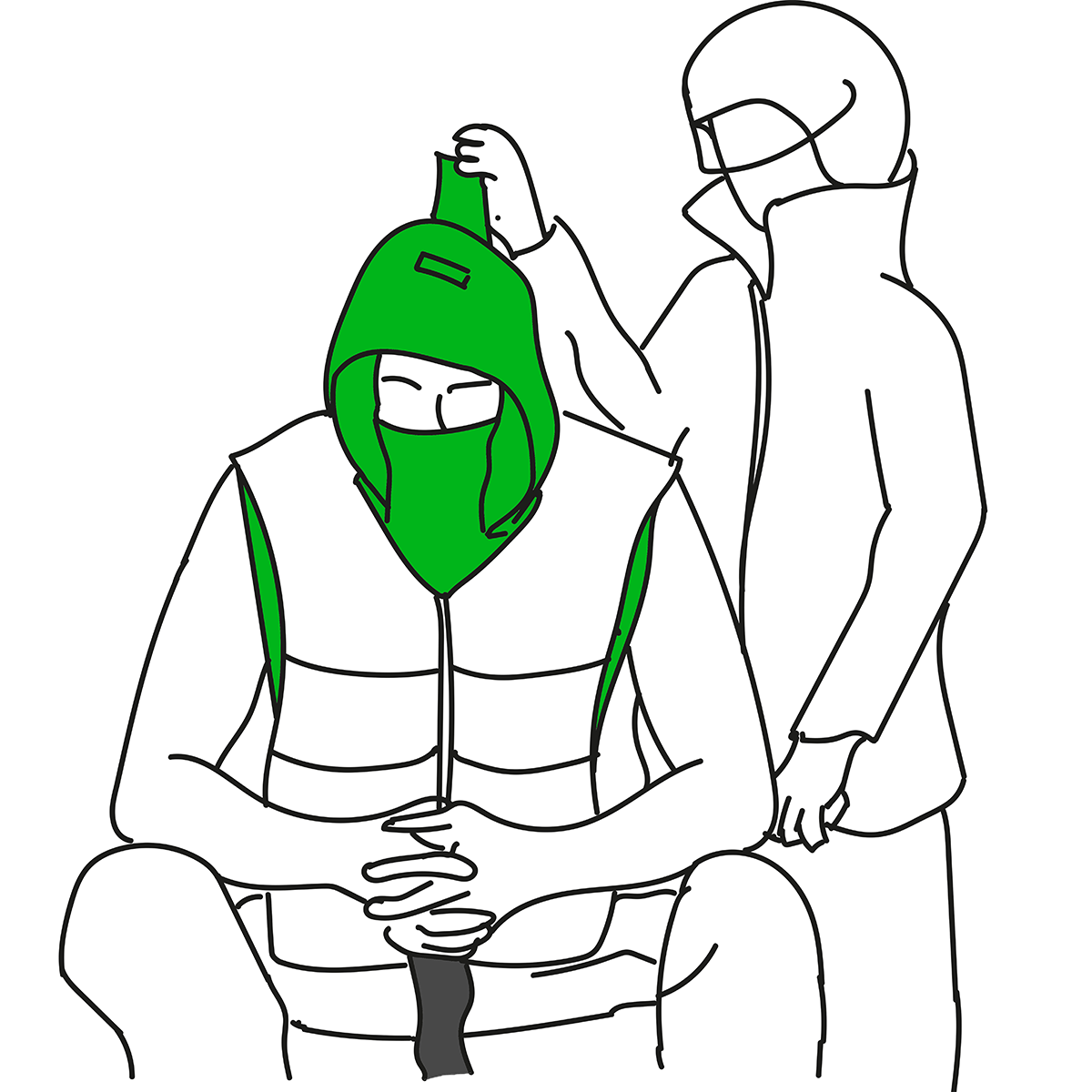
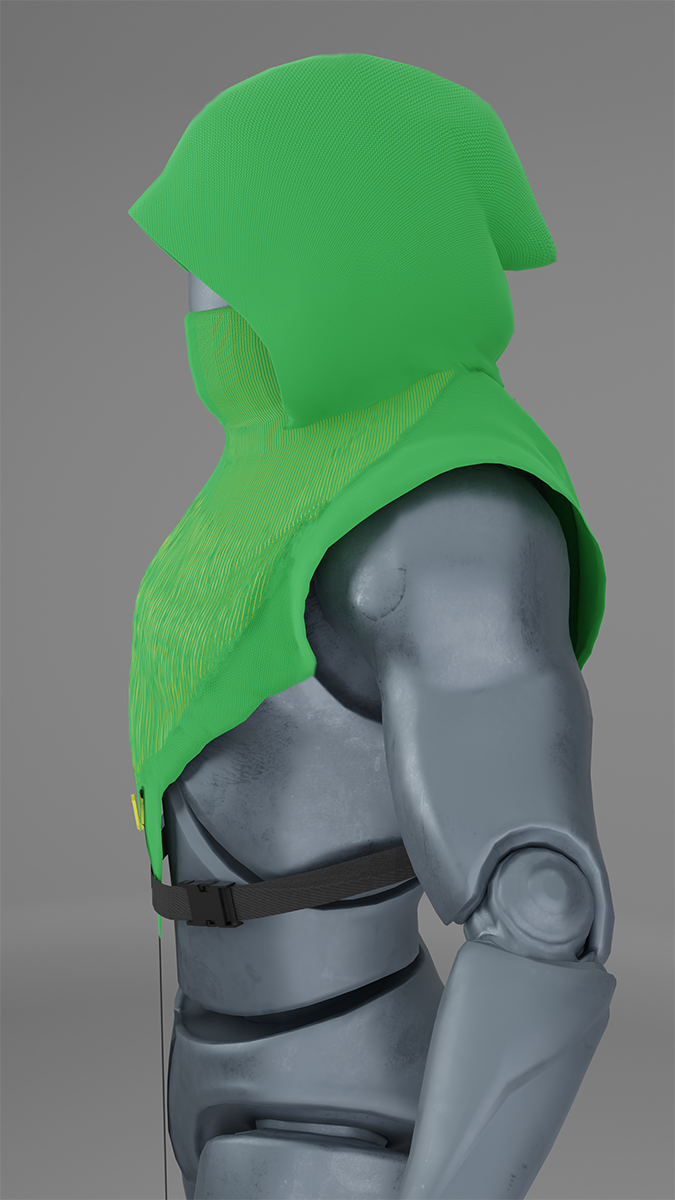
Casualties quickly and easily pass the device over their heads and without taking off their lifejackets, can pull CEPHRA under it using the tabs.
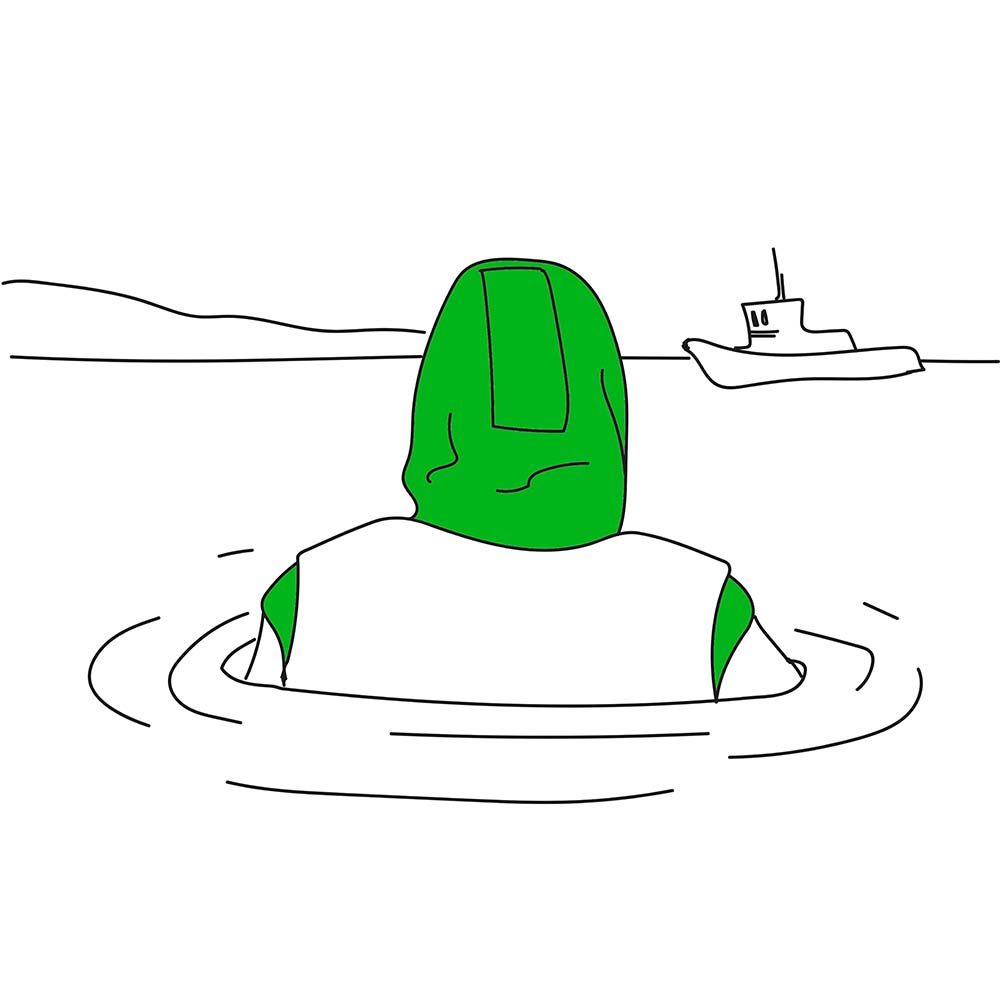
If a casualty falls into the water wearing CEPHRA, the device does not hinder their bouyancy and reflective thread running through the bright green fabric makes them highly visible at night and in faul weather.
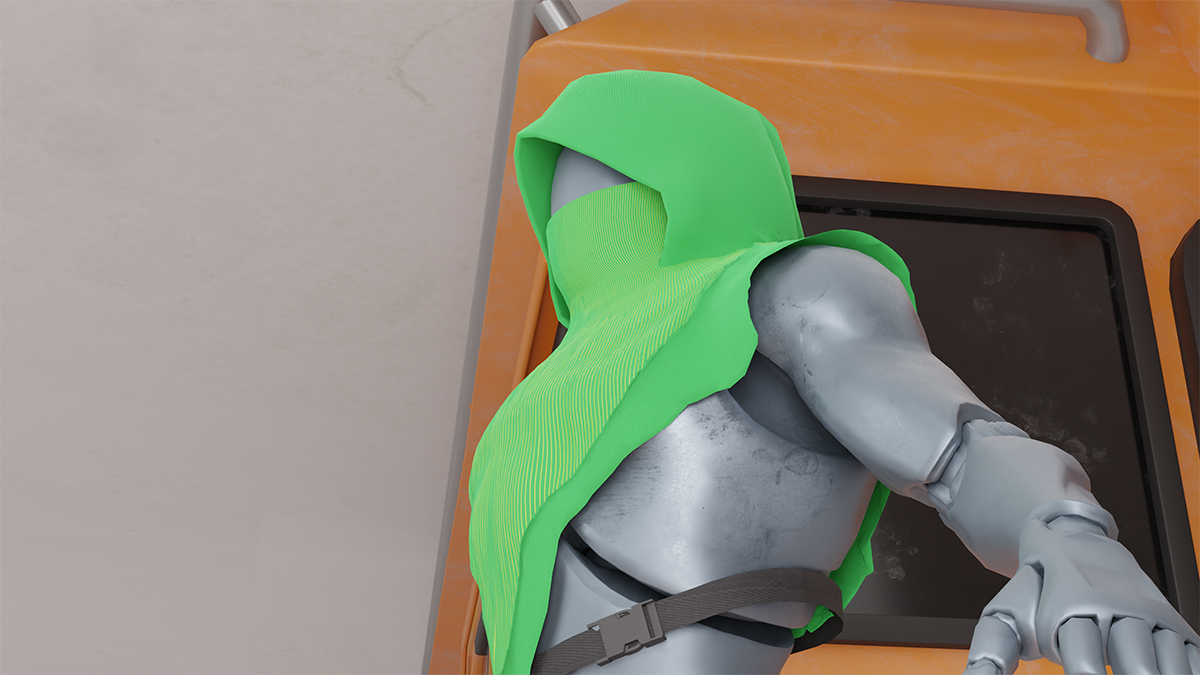
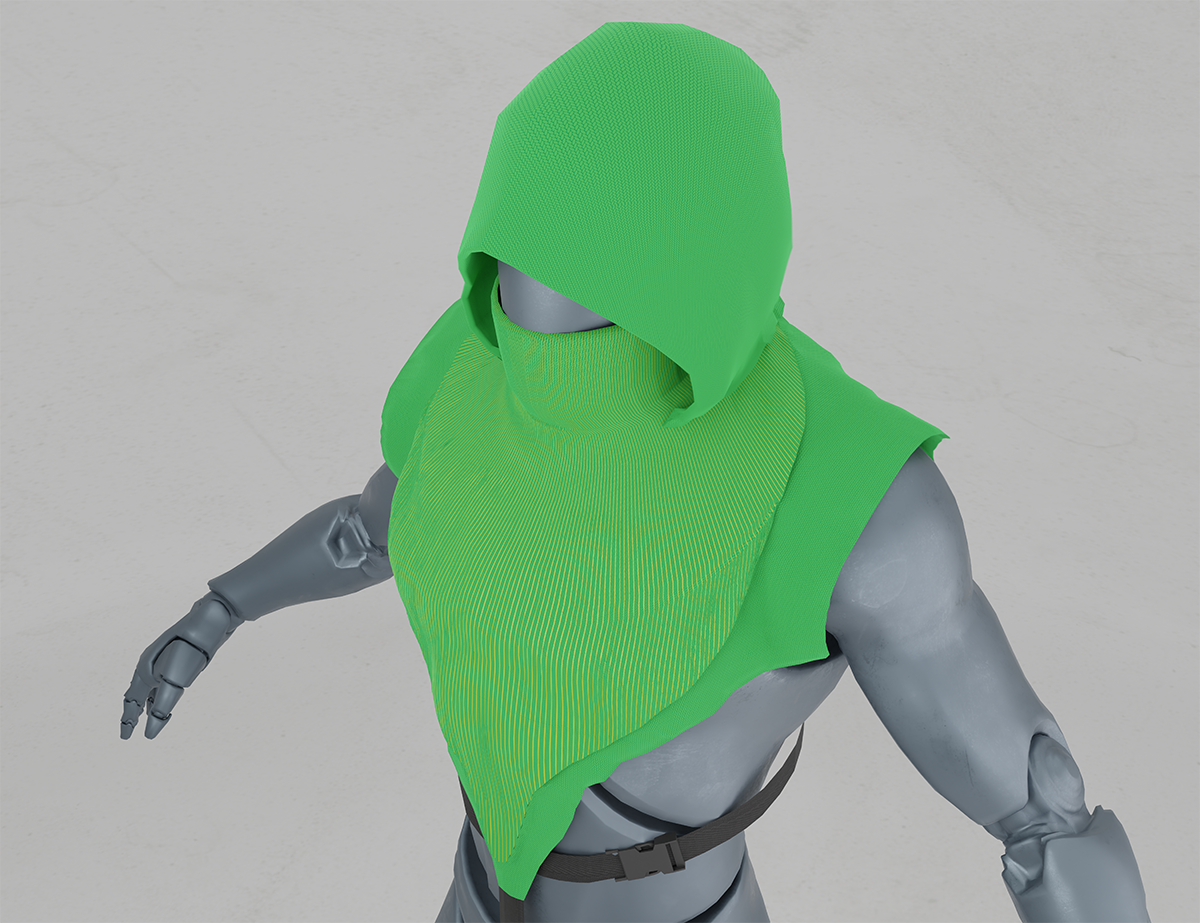
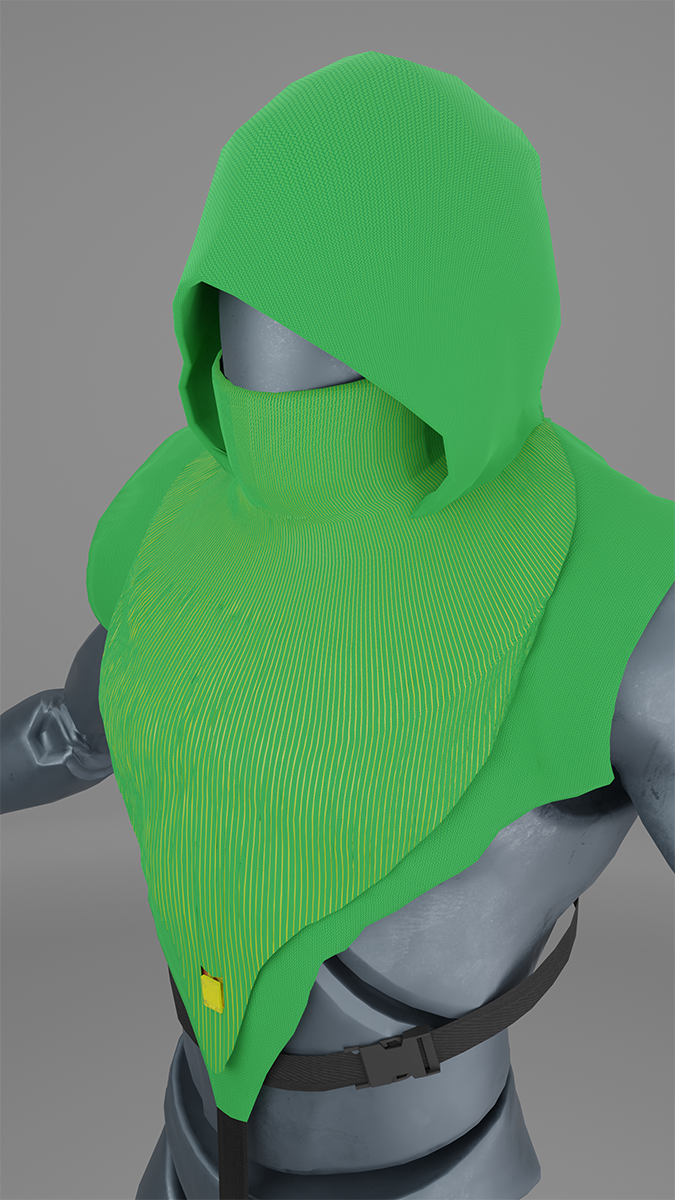
A ribbed polar neck and protective hood seals the heat in for the casualty and shields them from the dangerous effects of wind chill especially if wet.
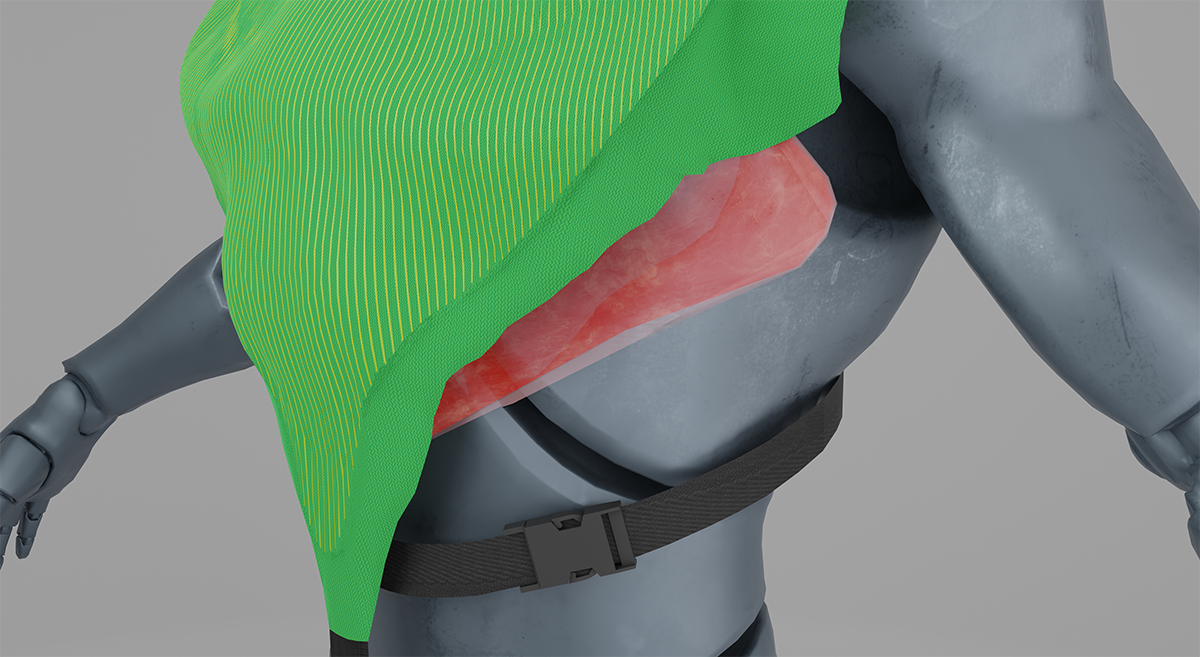
In cold conditions the gel pads may need to be replaced after 1.5 hours. Velcro shut side pockets make this easy for RNLI crew even when casualties have a lifejacket on.
Conditions may mean some casualties deteriorate despite the CEPHRA intervention. A flap on the back of the hood can be folded up to reveal a red patch, making these casualties more distinct and easier to keep track of.
Refugees are dropped off at immigration facilities where a team of security guides them in, takes lifejackets from them and can collect up CEPHRAs before returning them to the lifeboat.
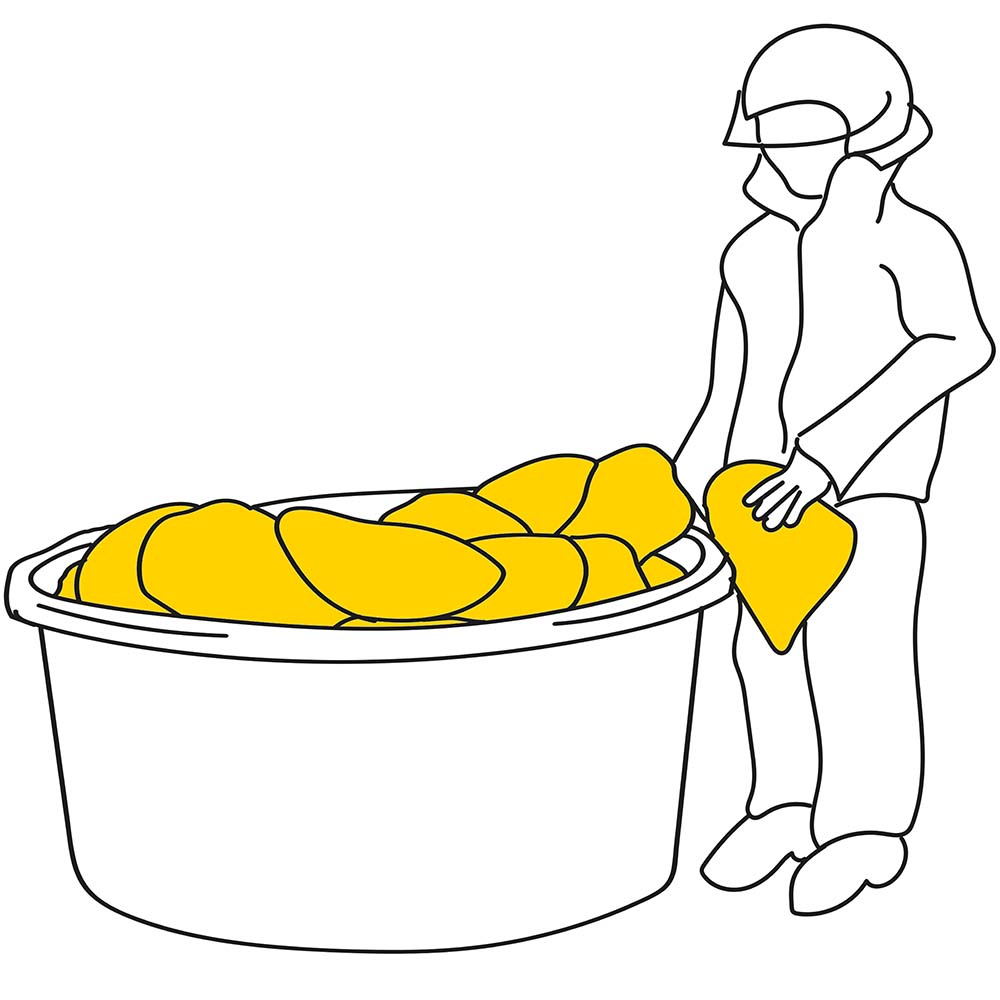
Gel pads are easily removable from the device and front and back pads are identical meaning they can be effortlessly re-installed. The pads are recharged by boiling in large container back at the lifeboat station.
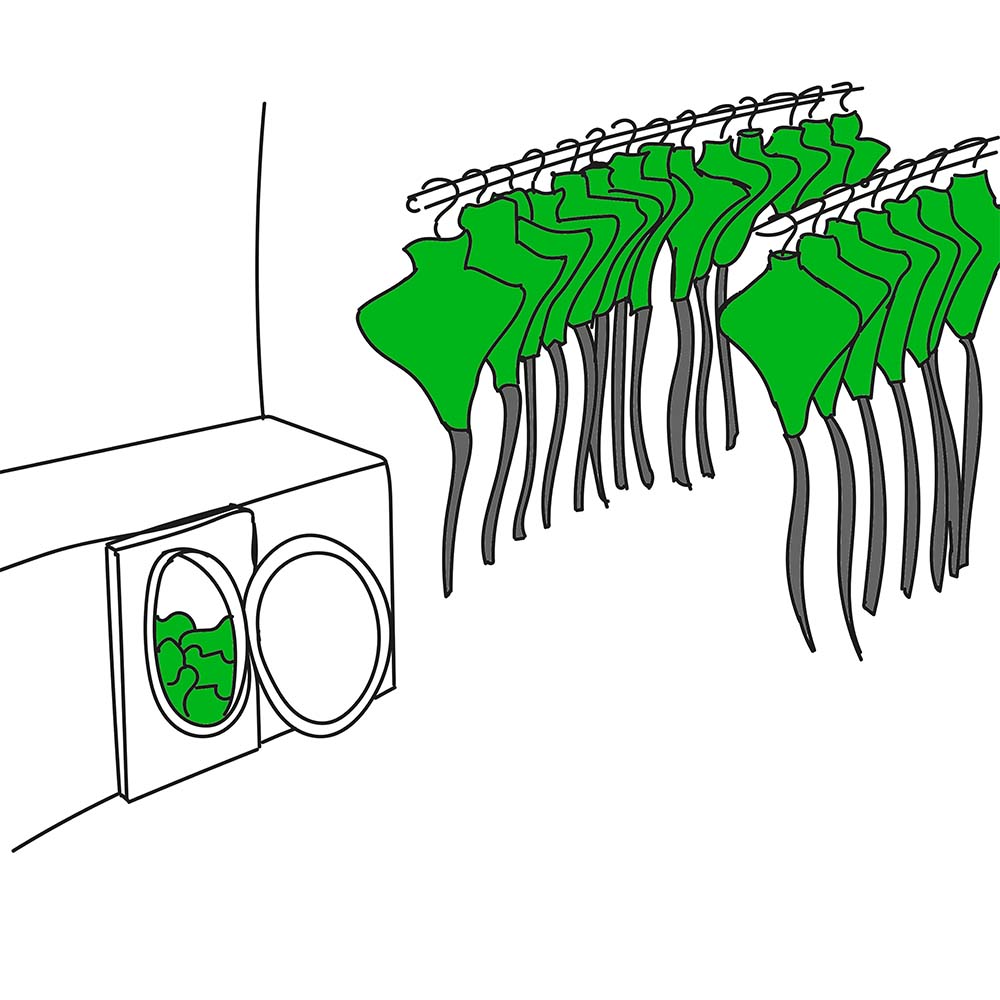
CEPHRA is machine washable. A long polar neck and thick material around the neck and shoulders means that CEPHRA holds its shape while it is being hung to dry.
CEPHRA can be tightly rolled up with the gel pads in place. 2 sides of Velcro on the front tab can be wrapped around the roll, securing it tightly, ready for next deployment.
The Solution
This crisis continues to grow and remains at the center of public attention. 2024 was the deadliest year on record for migrants crossing the channel.
Rescue crews only have access to insulation like blankets. Coastal rescuers need access to an active rewarming intervention.
CEPHRA is an easily deployable device, putting the RNLI operation and casualty needs first. CEPHRA will provide lifesaving warmth to refugees making the most difficult journey of their lives.
Reusable gel heat pads in a pocket of the garment target the trunk of the body for safe rewarming.
A polar neck and hood seals in heat and shield casualties from wind chill.
CEPHRA is deployed under blankets and lifejackets, heating casualties via truncal conduction and under blanket convection.
This direct and even rewarming method is the most safe and effective.