Hi! I’m James, an Industrial Design student at Loughborough University. This year, I’ve developed my major project alongside environment design work, while also serving as Media/Design Rep for Loughborough University's Snowsports club.
The Problem
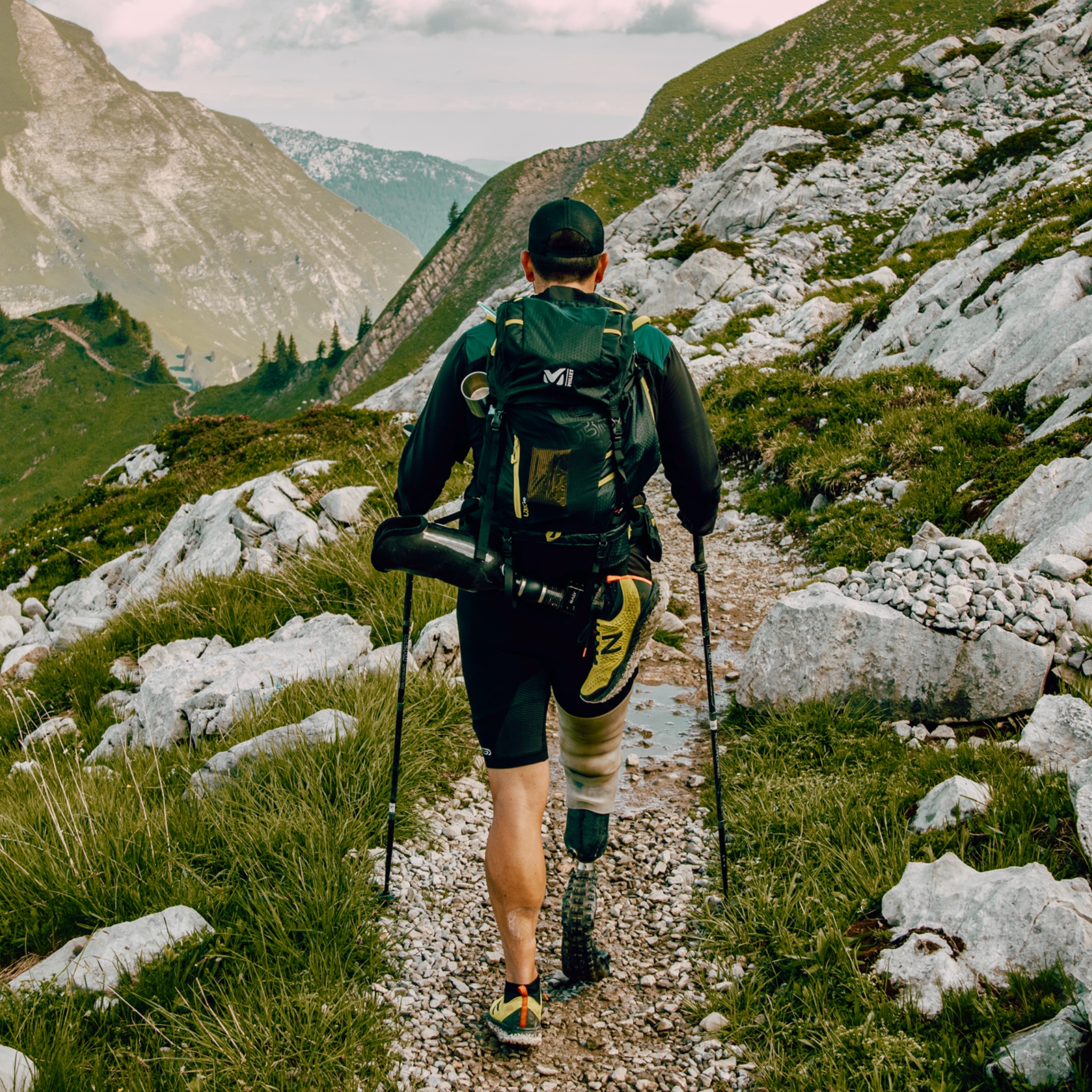
Many lower-limb amputees face challenges when trying to return to outdoor activities like hiking. Prosthetic feet often lack the adaptability, comfort, and stability needed for uneven terrain, leading to discomfort, fatigue, and reduced confidence. Existing products tend to focus either on basic daily mobility or elite sports performance, leaving a gap for users who want reliable, supportive solutions for recreational use. This limits access to the physical and emotional benefits of outdoor movement, creating a barrier to recovery, independence, and long-term wellbeing.
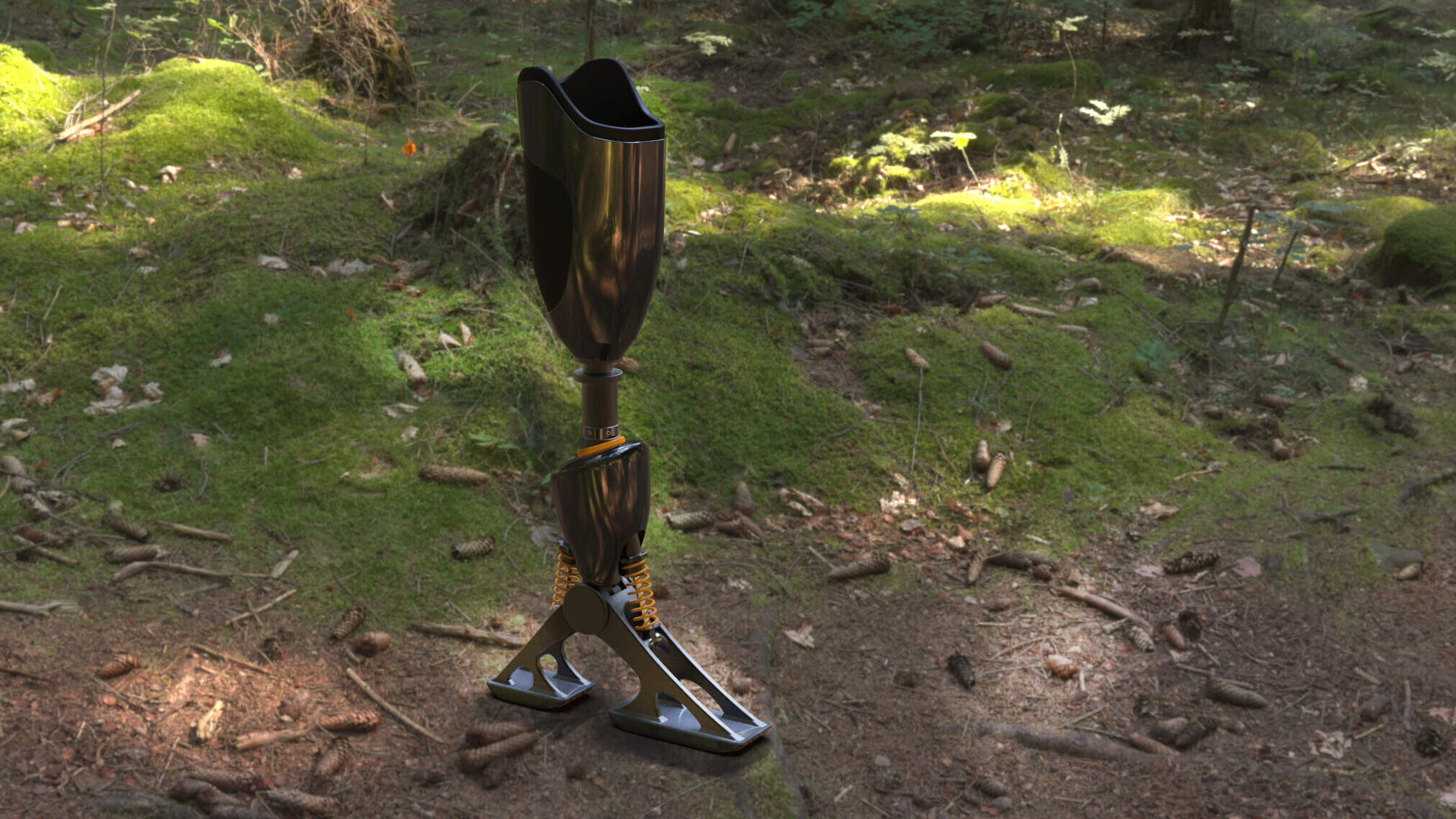
Sérac – Below-knee prosthetic
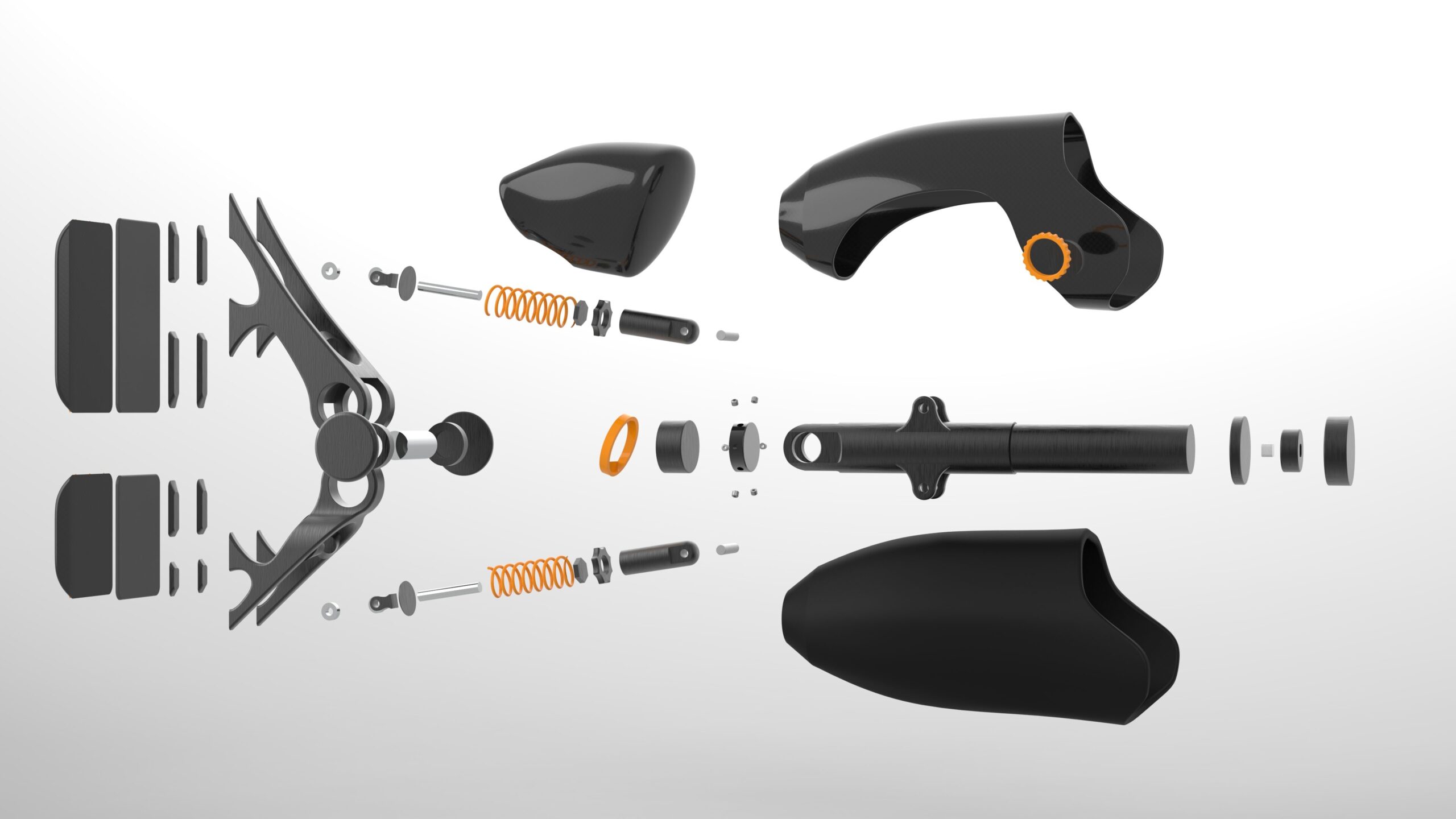
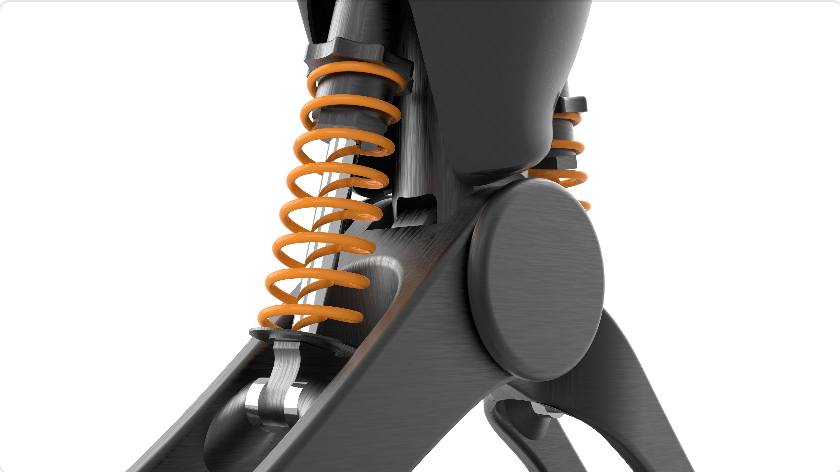
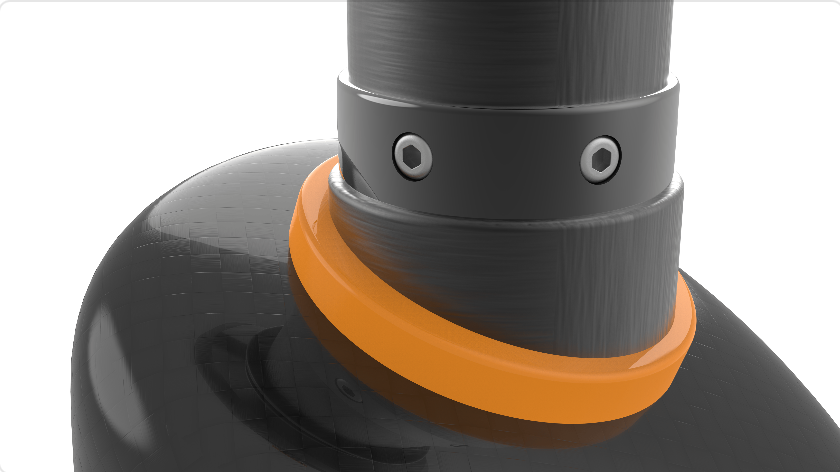
Sérac is an adaptable prosthetic foot designed to support lower-limb amputees returning to outdoor hiking. The design uses passive springs to absorb impact and provide energy return, mimicking natural foot motion while improving comfort, stability, and terrain adaptability.
Ideation
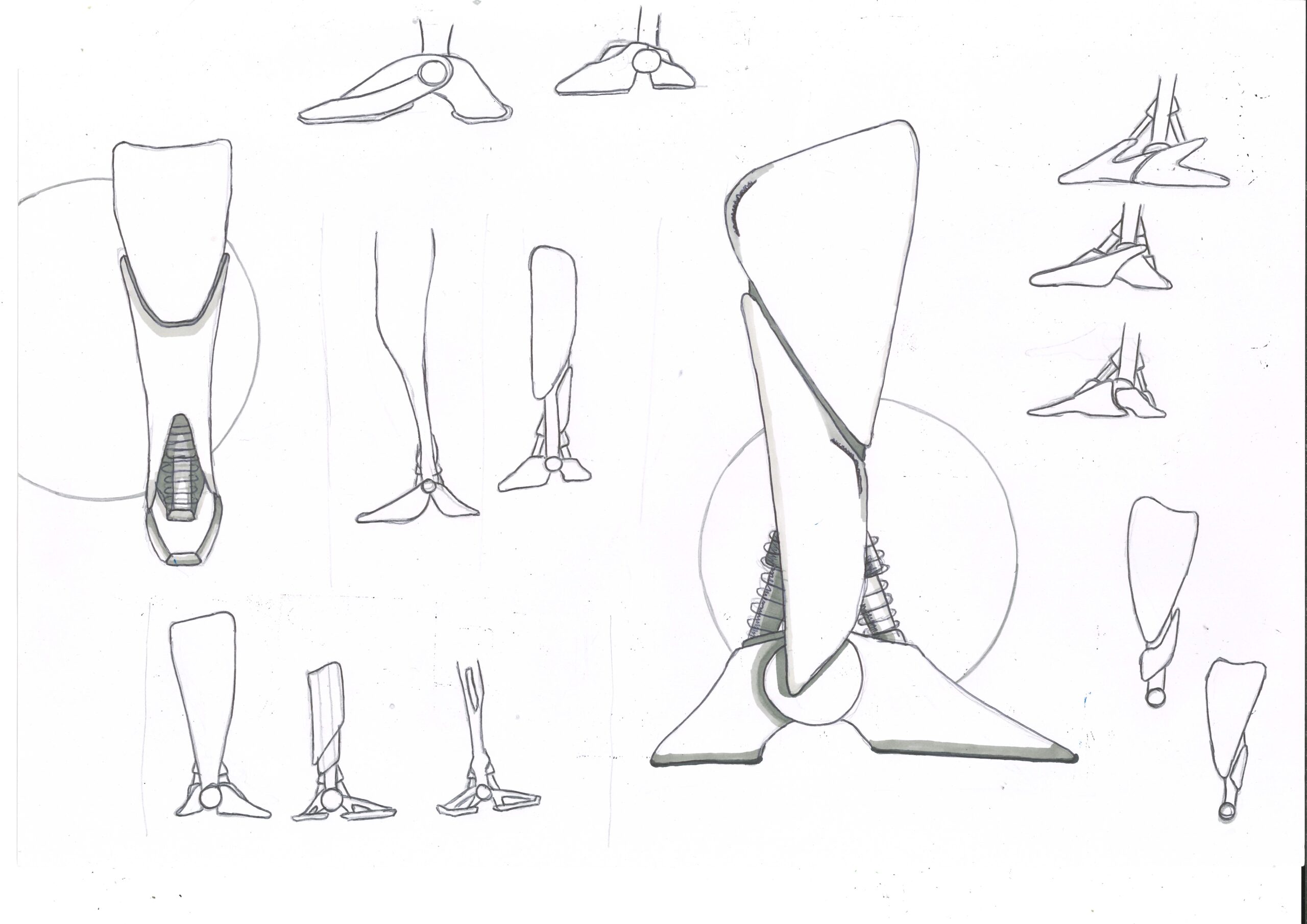
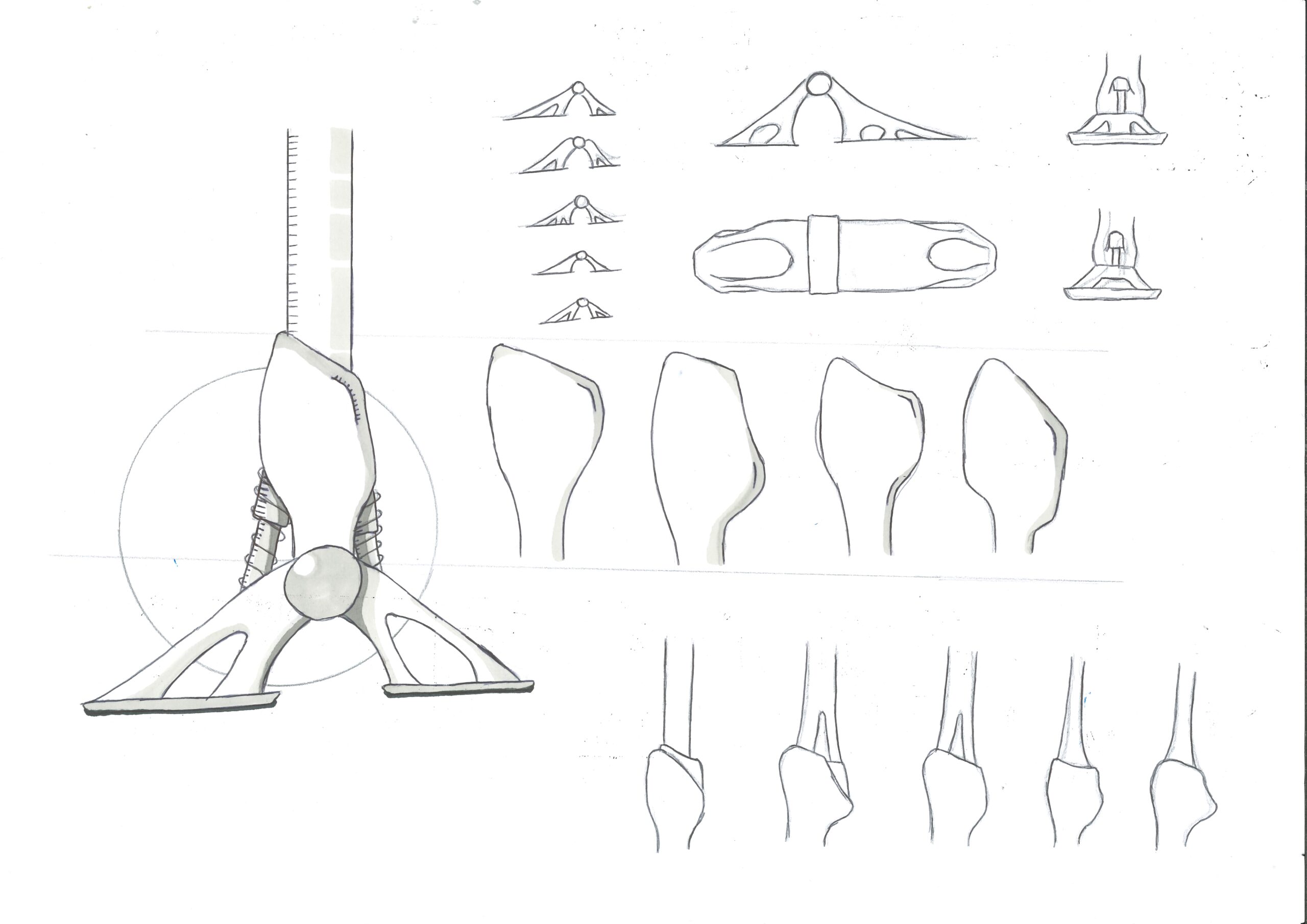
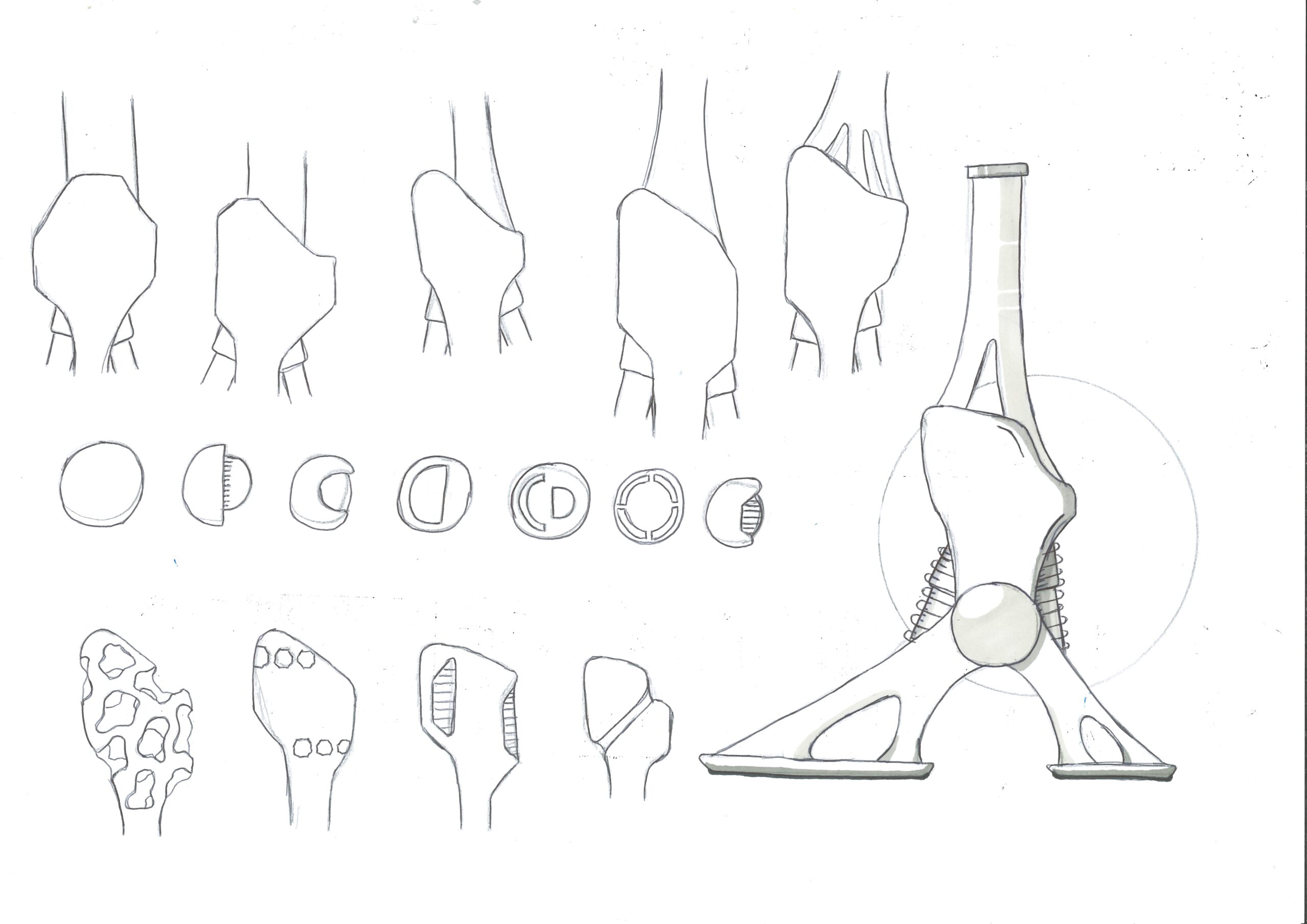
The ideation process was comprised of a series of aesthetic sketches for the design. I used these and asked multiple groups of designers and users for their feedback, which eventually led to the final aesthetic model show in all of the renders.
Testing
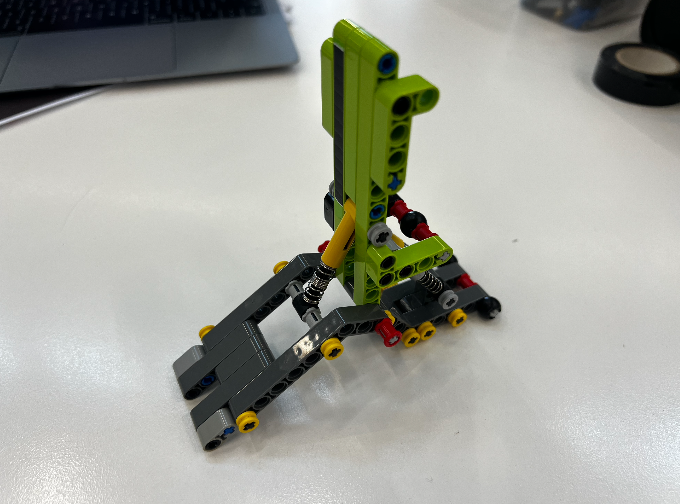
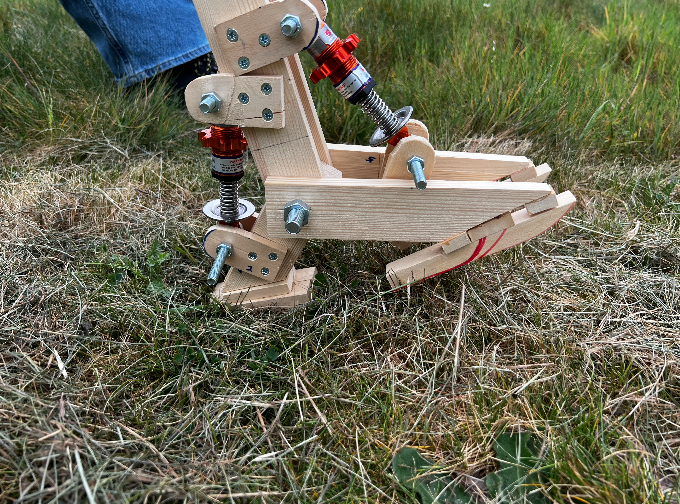
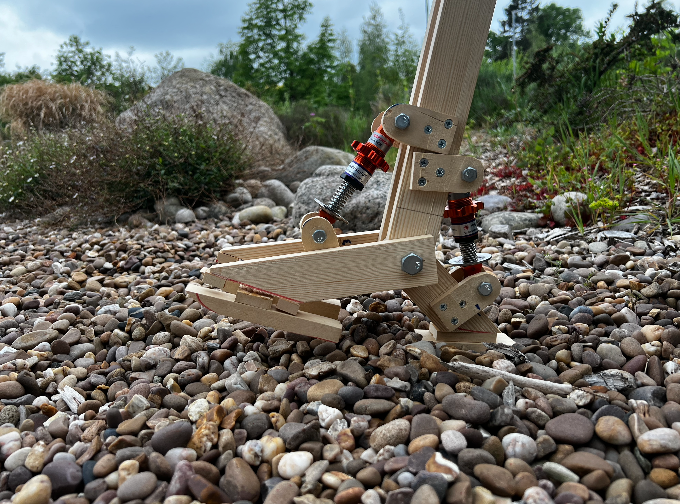
Testing this project was crucial to getting the functionality of the prosthetic to work perfectly. I started off with small lego prototypes, which were then scaled up into larger wood and metal mid-fi prototypes. These were tested on a variety of surfaces, and provided lots of useful data for final users to evaluate.
Branding
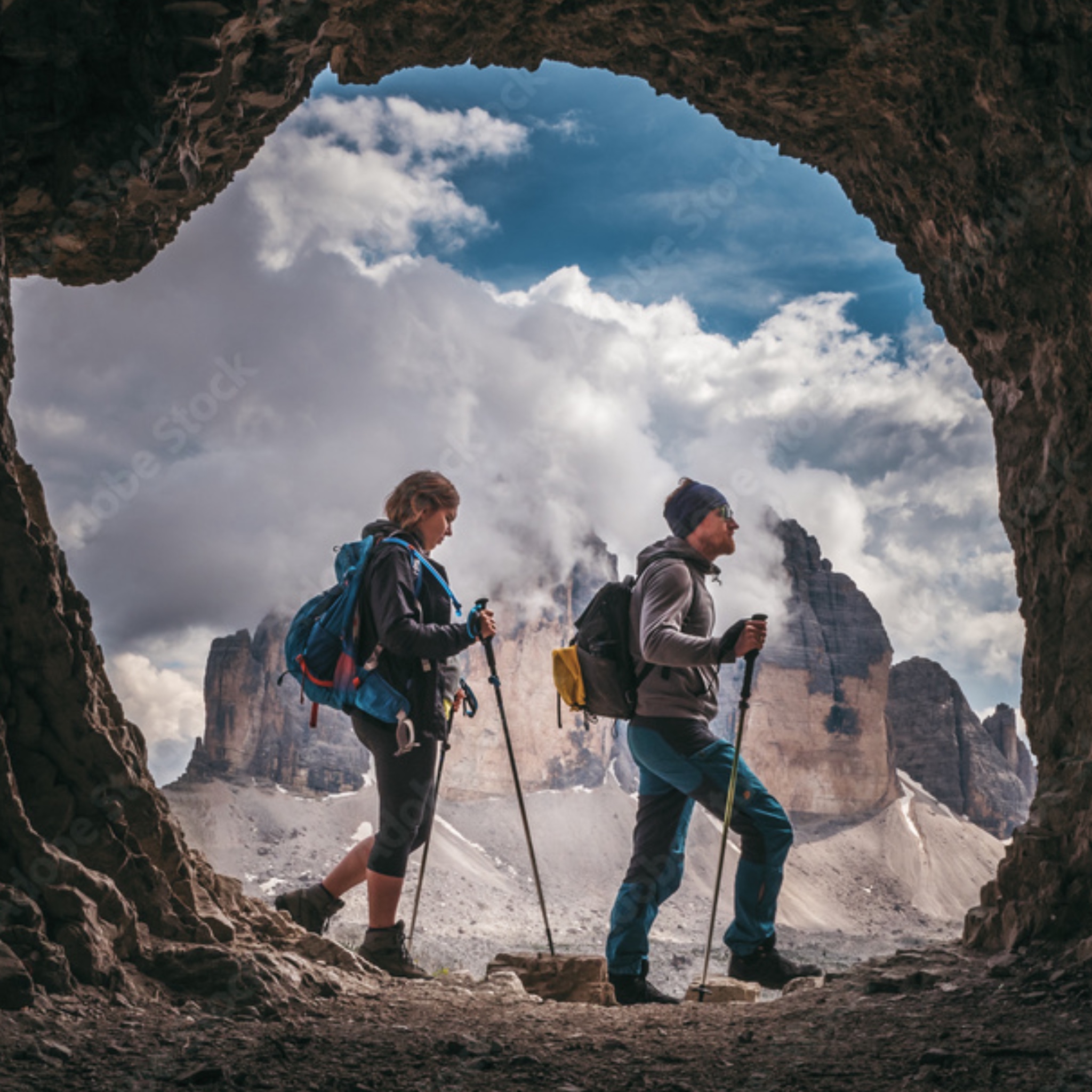
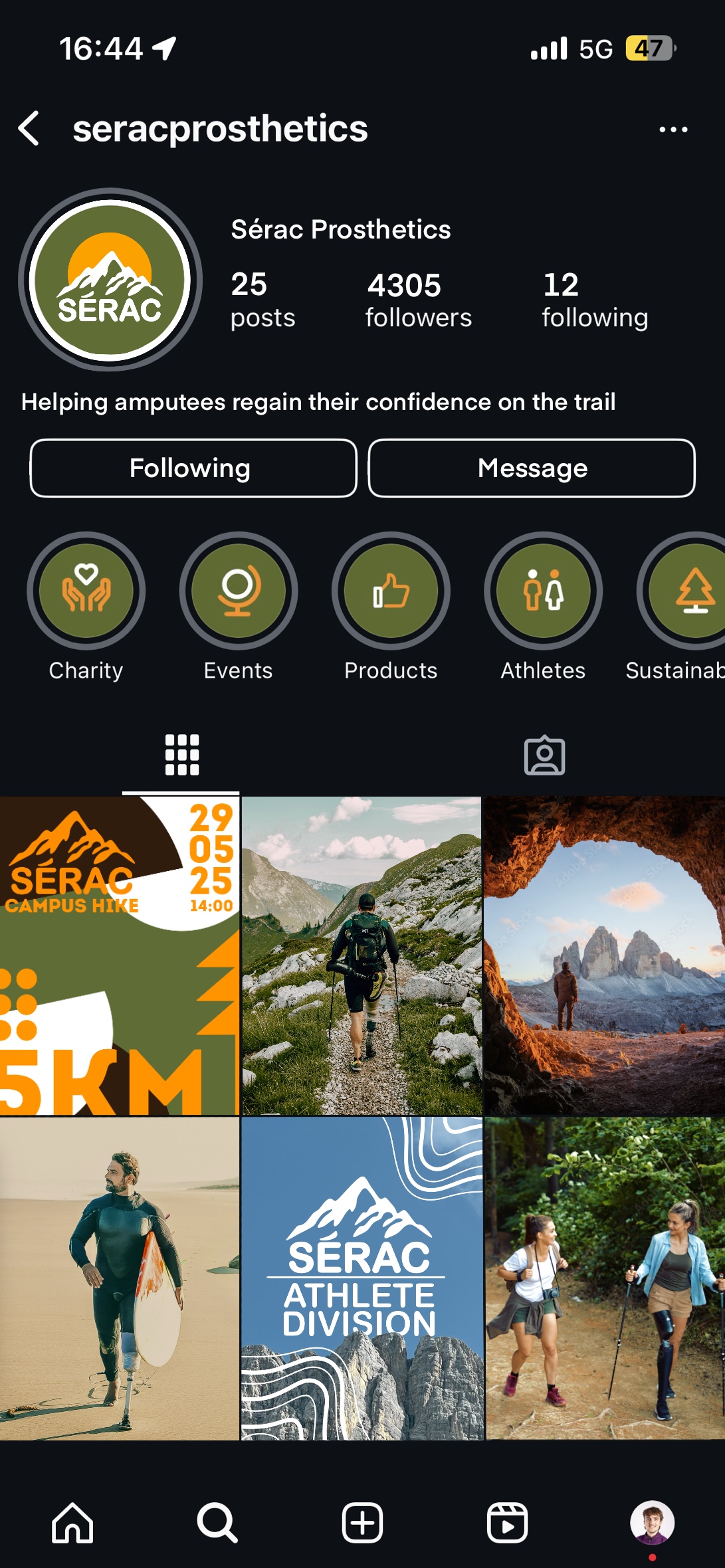
The Sérac branding focuses on empowerment, community, and outdoor freedom—inspired by inclusive brands like Arc’teryx and Patagonia. Rather than emphasising disability, it celebrates real users reclaiming adventure, with storytelling that highlights resilience, independence, and connection to nature.
DFM – casing focus
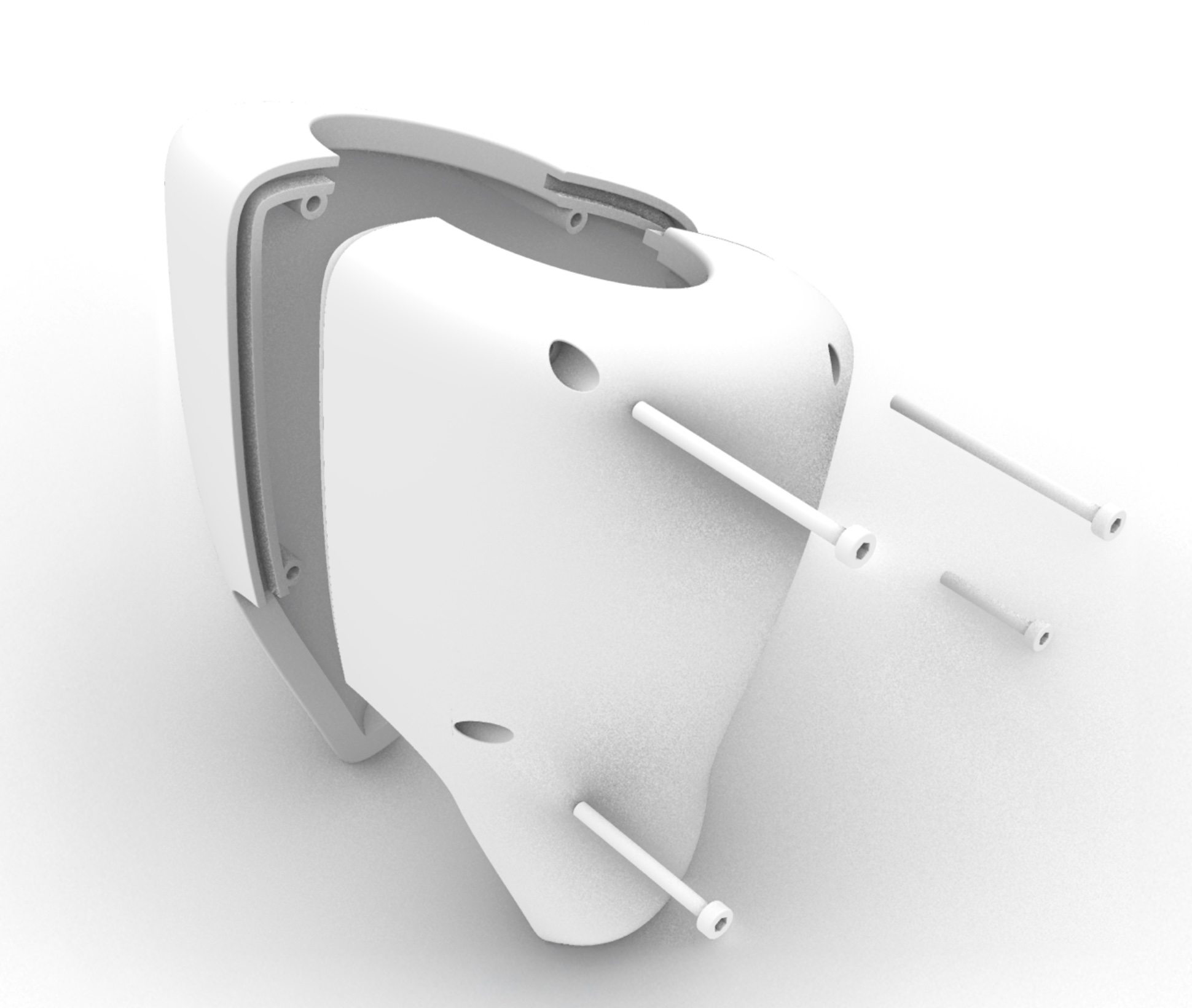
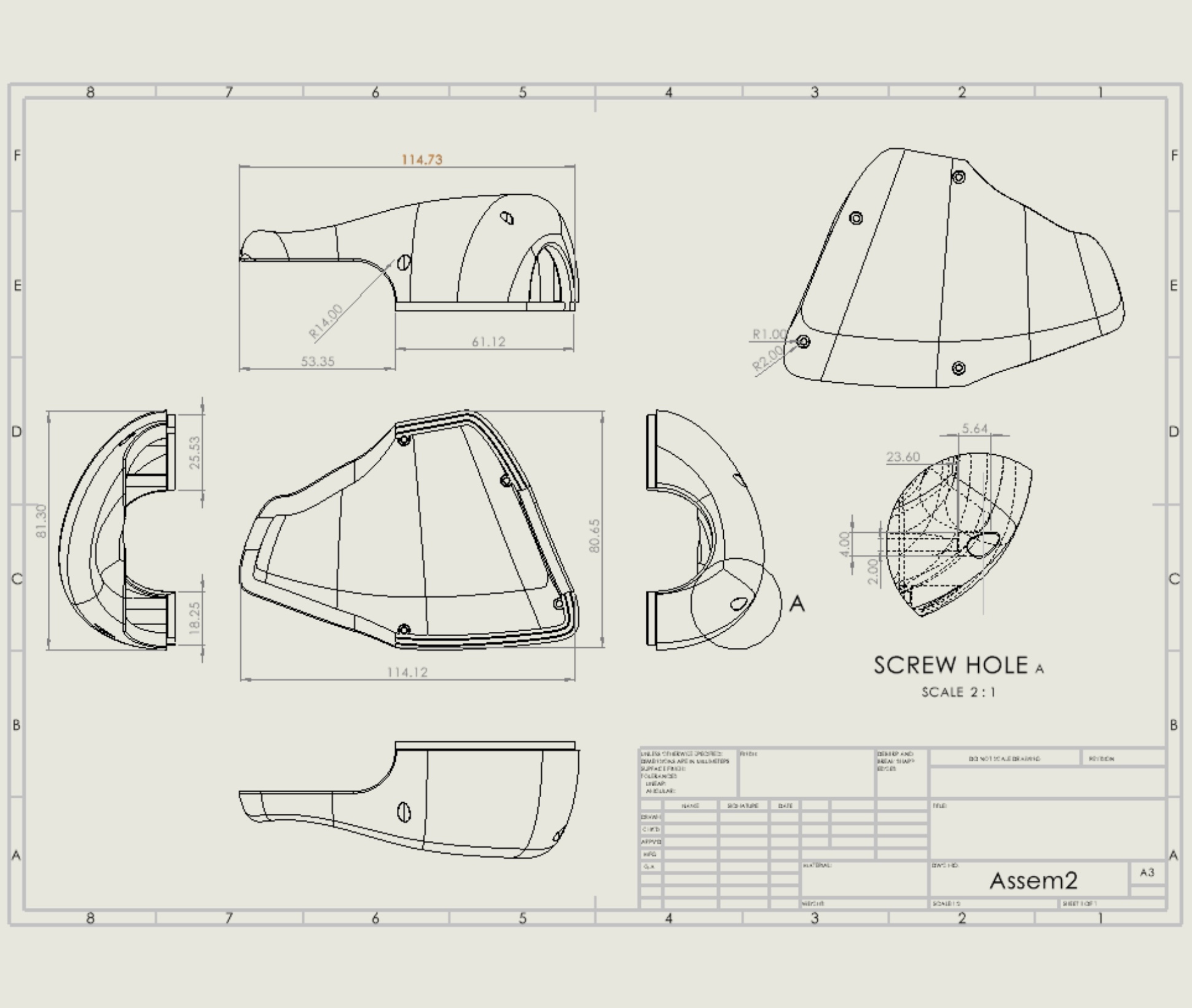
Covering up all of the internal mechanisms on the prosthetic is this Polypropylene casing. This is customisable by colour/pattern for each user, and is designed to be sacrificial and easily replaceable. The below renders and engineering drawings show an understanding on how this case would be optimised for this purpose using lips and grooves, split lines, and joining methods.