
James Bowler
he/him


I’m a practical product designer driven by a passion for sustainable and functional design. I enjoy transforming ideas into reality through prototyping, tackling challenges through creative problem-solving.
he/him
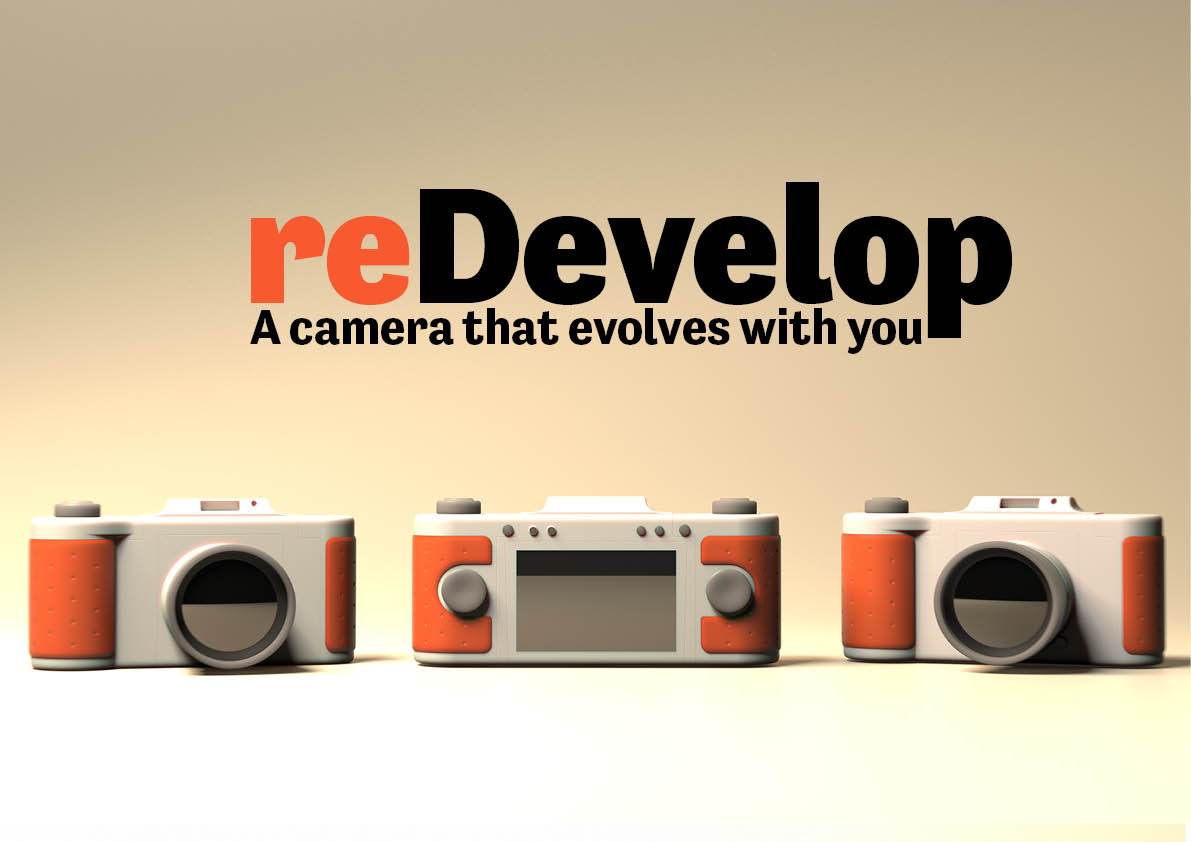
For my final year design project, I set out to tackle a real-world problem through thoughtful, functional design. The brief was self-directed, giving me the freedom to explore an area I’m passionate about; creating a modular, sustainable camera system that reduces electronic waste while still meeting the needs of modern photographers. The project combines physical prototyping, user-centred design, and electronics; bringing together everything I’ve learned throughout my degree into one final, future-facing concept.
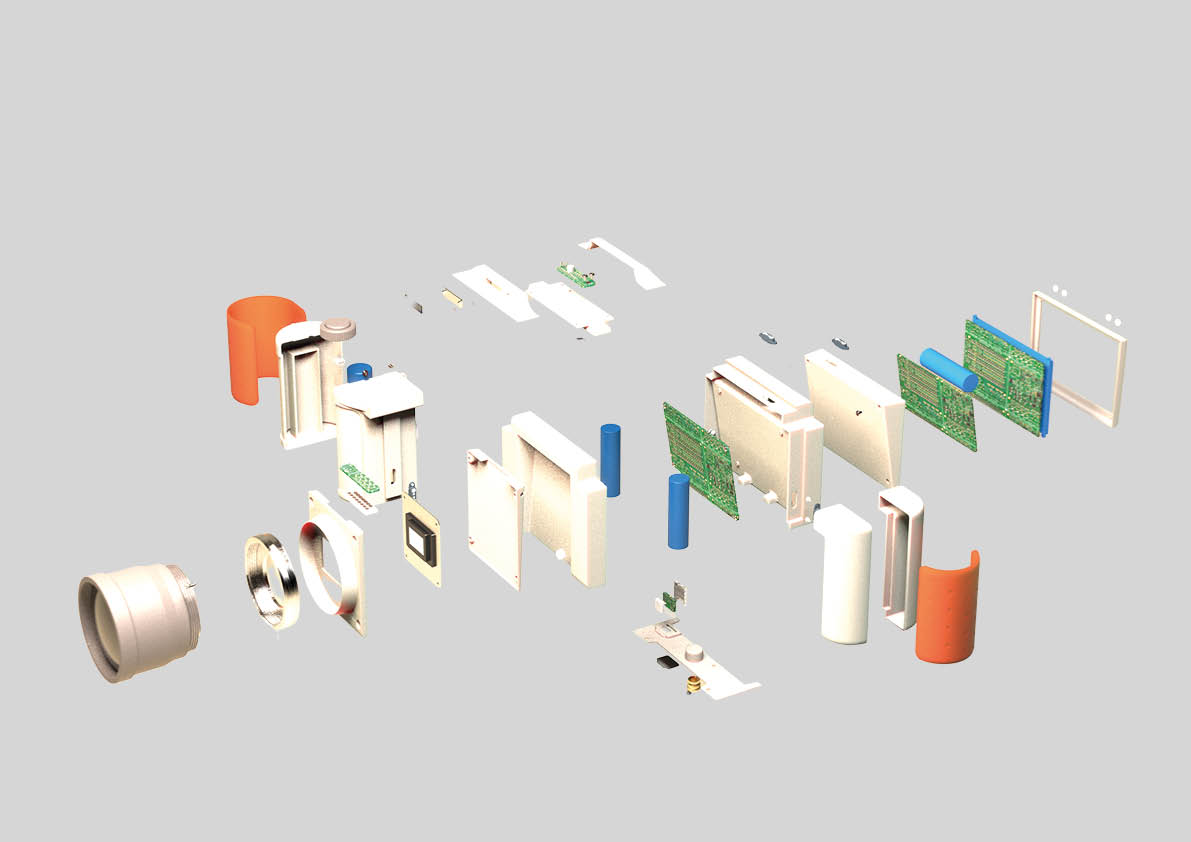
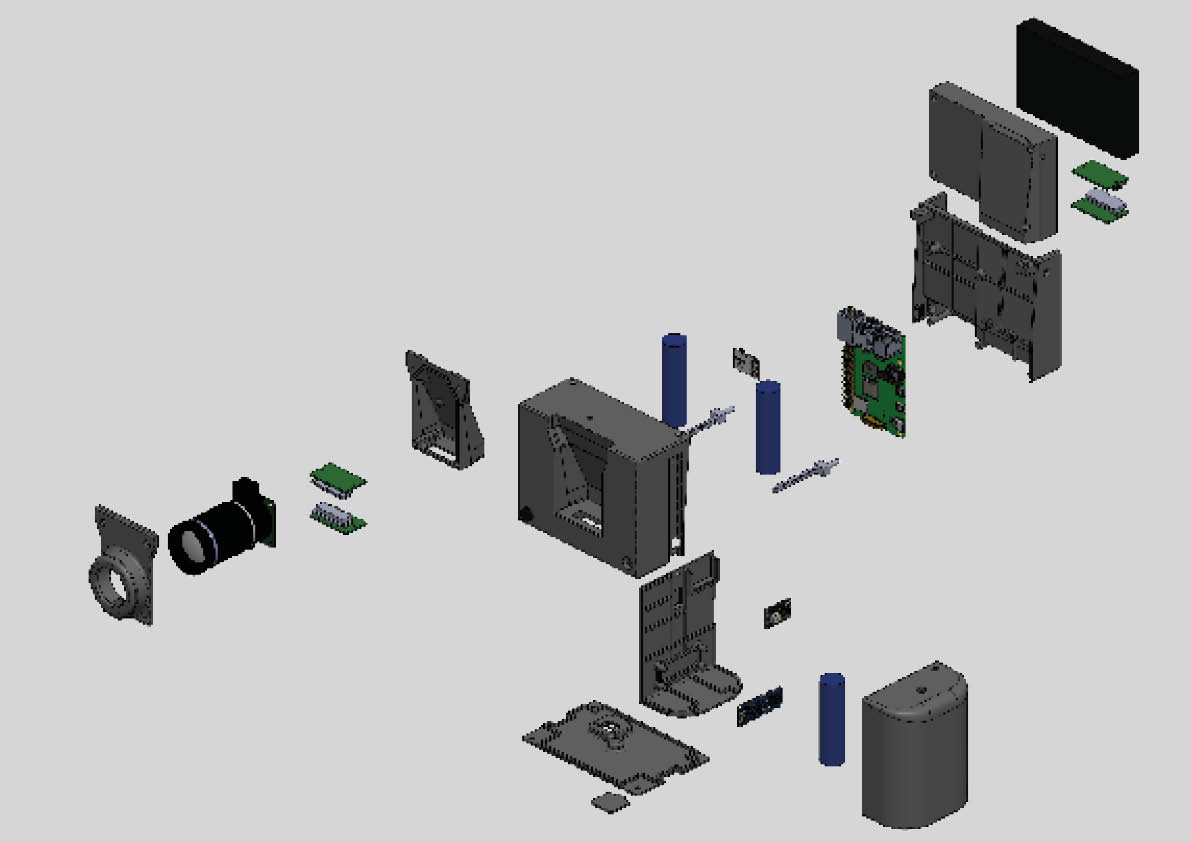
Upgrade components when needed.
Replace individual modules like the sensor, screen or controls, without discarding the full camera.
Send parts back for reuse or recycling
The modules are designed to be repurposed, or disassembled into recyclable streams
Add accessories over time
Attach new modules like microphones, handles or flash units as your setup evolves.
Designed for long-term adaptability
Encourages a shift from short-term ownership to a lasting, repairable tool.
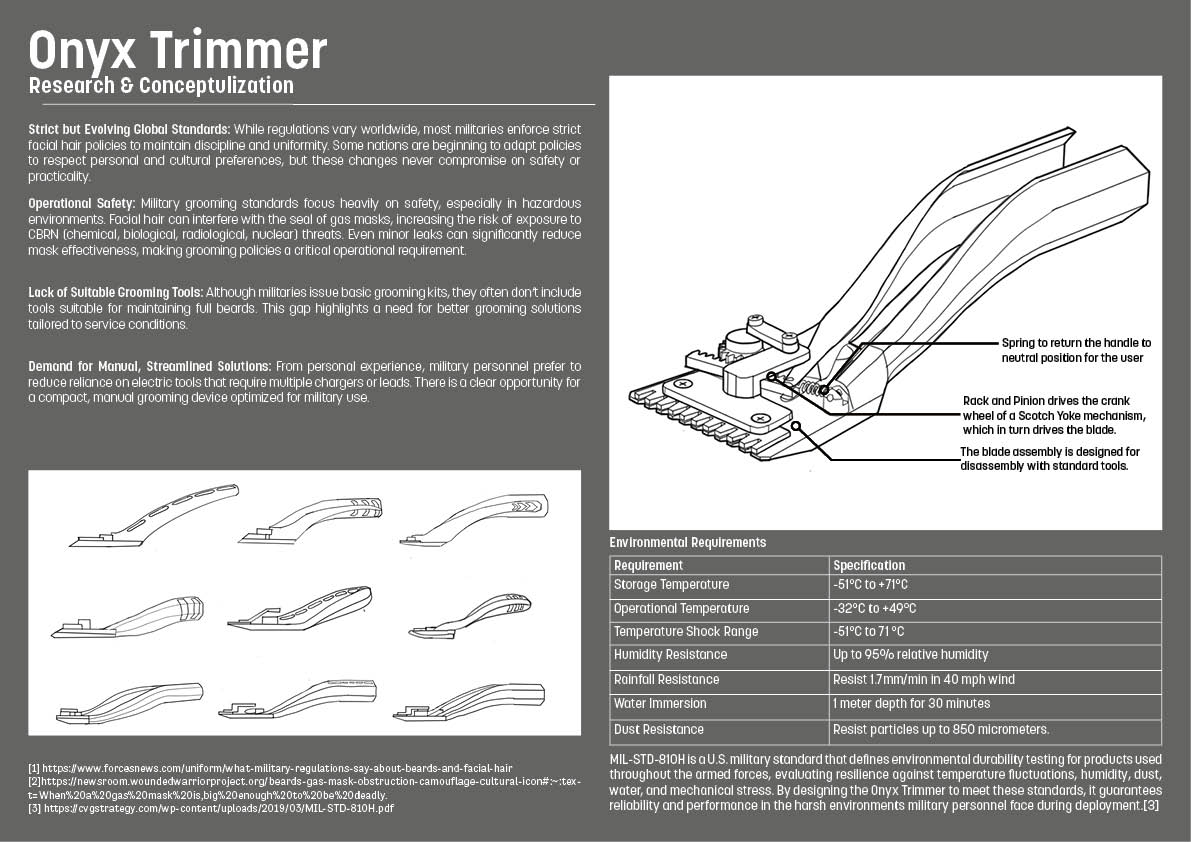
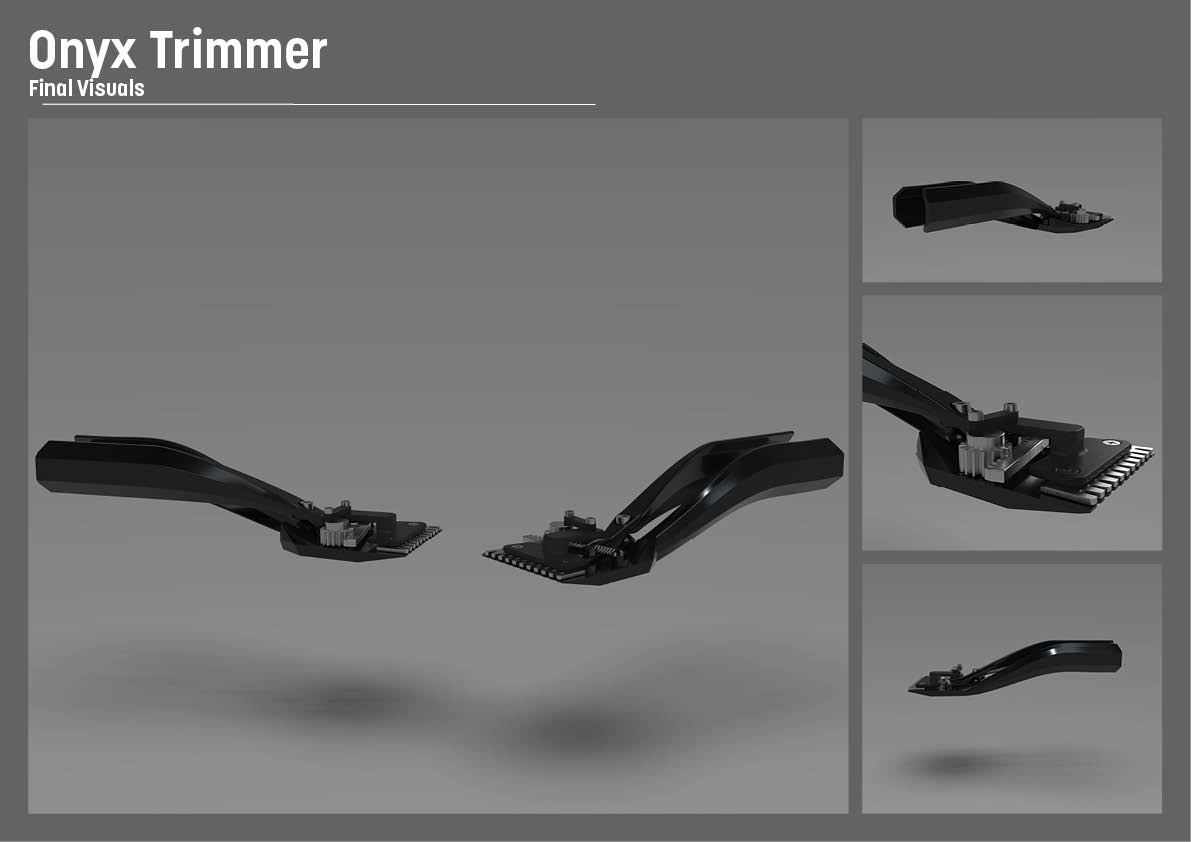
During a design week set by FSW Design, we were challenged to create a product powered entirely by human energy, with the aim of converting that power into a meaningful and functional motion. In response to this brief, I developed a beard trimmer, tailored to the needs of military users. While the product was designed with this specific context in mind, it presents a broader opportunity to serve a wide range of users seeking a sustainable, off-grid grooming solution.

As part of a group project in Applied Mechanics and Electronics for Design, we were tasked with designing and building a robot capable of navigating an obstacle course and extinguishing a fire. Working as a team, we combined coding, electronics, and problem-solving to create a compact yet functional robot that could take on the challenge. The project pushed our skills in rapid prototyping, teamwork, and creative engineering under pressure.

