Hi, I’m Helena.
I'm an industrial designer passionate about problem-solving. My major project allowed me to explore in-depth research, present on an industry webinar, and design a successful product and service for a complex and underrepresented user group.
Cara: Accessibility Of Menstrual Cups For People Experiencing Homelessness
Many individuals face ongoing challenges in affording menstrual health products. Menstrual cups present a sustainable and cost-effective alternative, with a lifespan of up to 10 years, significantly reducing both environmental impact and long-term personal costs.
However, a major barrier to menstrual cup adoption among those experiencing period poverty or homelessness is the lack of safe, accessible facilities for cleaning and sterilisation in public spaces.
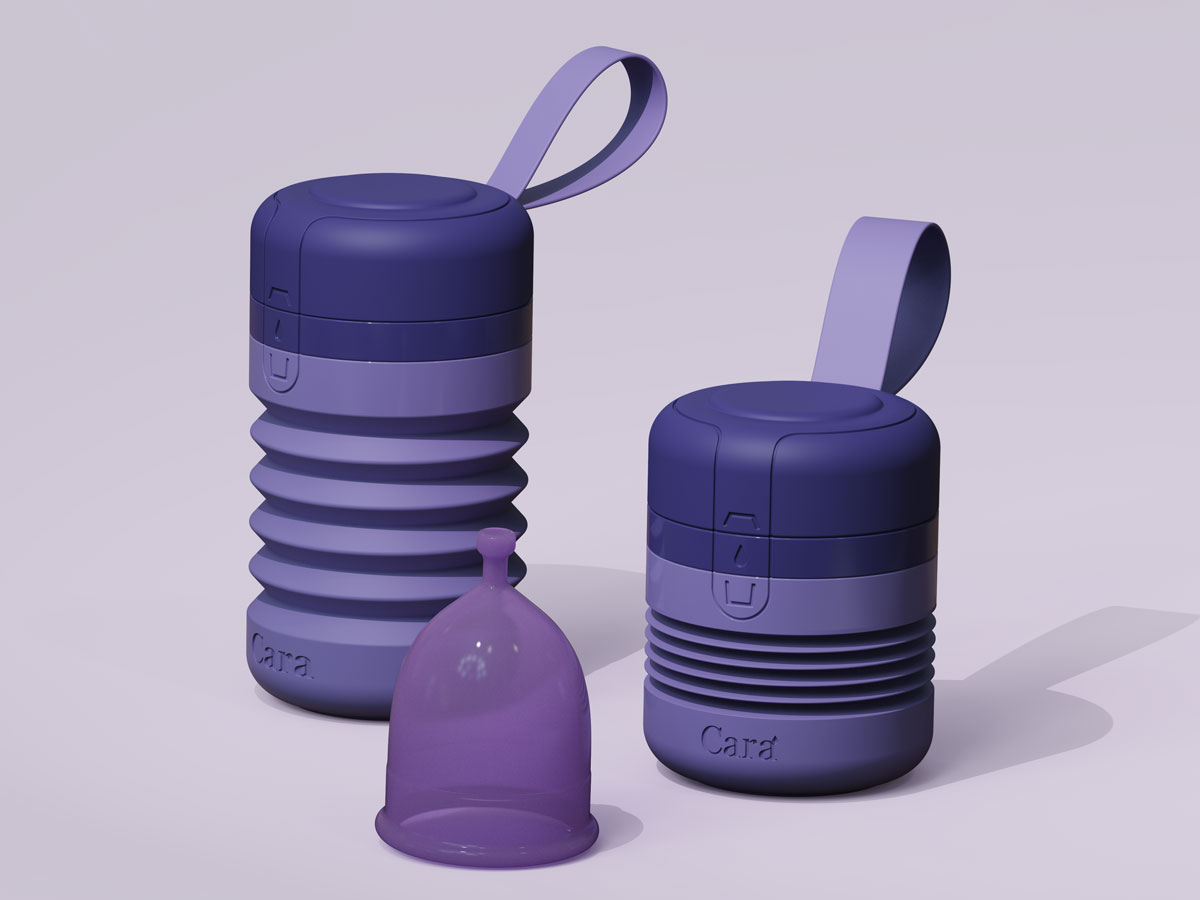
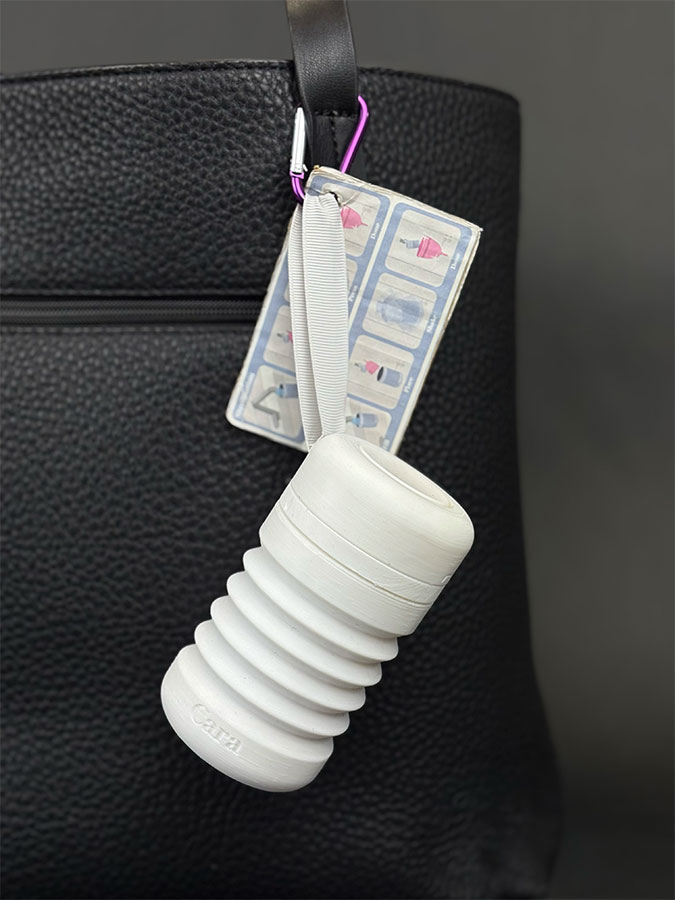
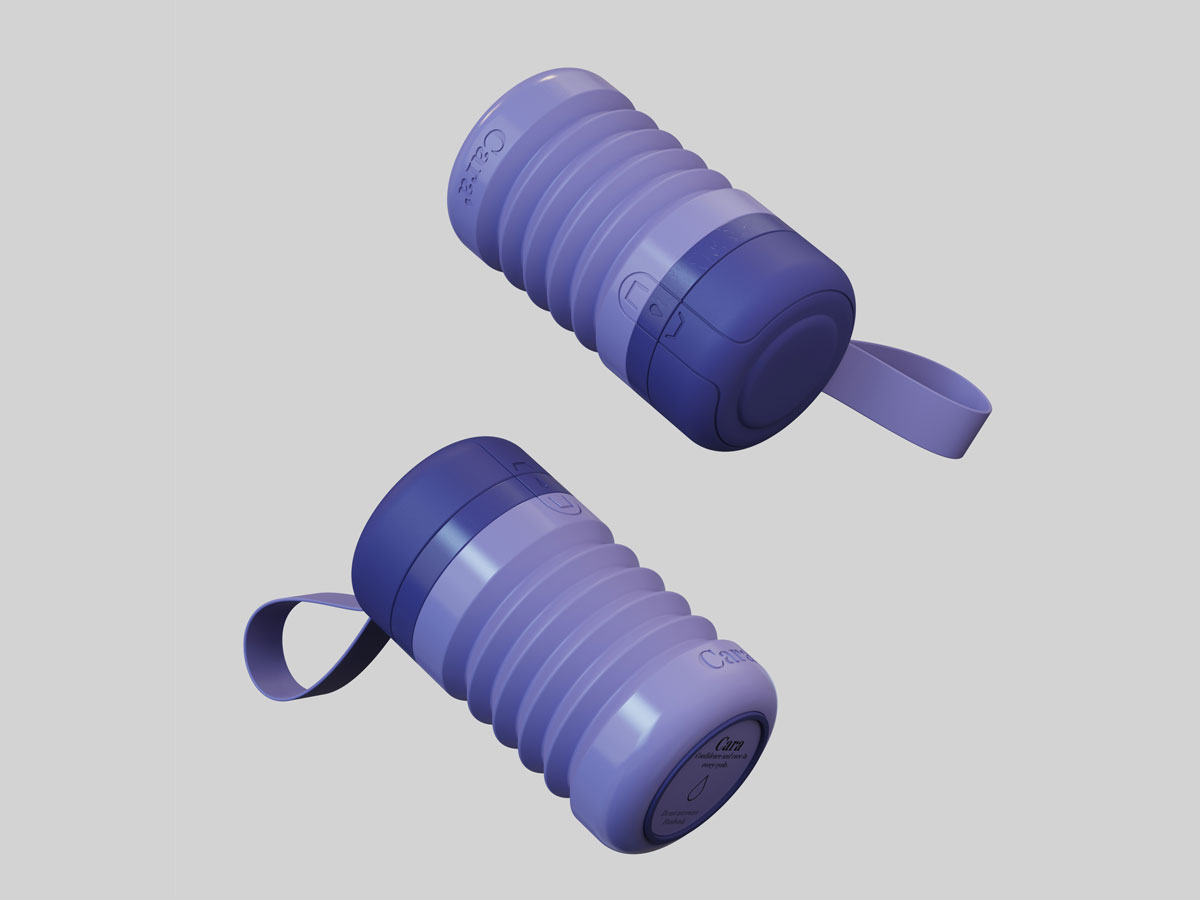
Cara addresses this gap with a discreet, dignified solution designed for use entirely within a toilet stall. The product dispenses a pre-measured dose of sterilising liquid which, when combined with cold water, offers an effective sterilisation method. Additionally, Cara allows users to ‘shake to rinse’ their cup while on their cycle, providing a practical and hygienic option for public use.
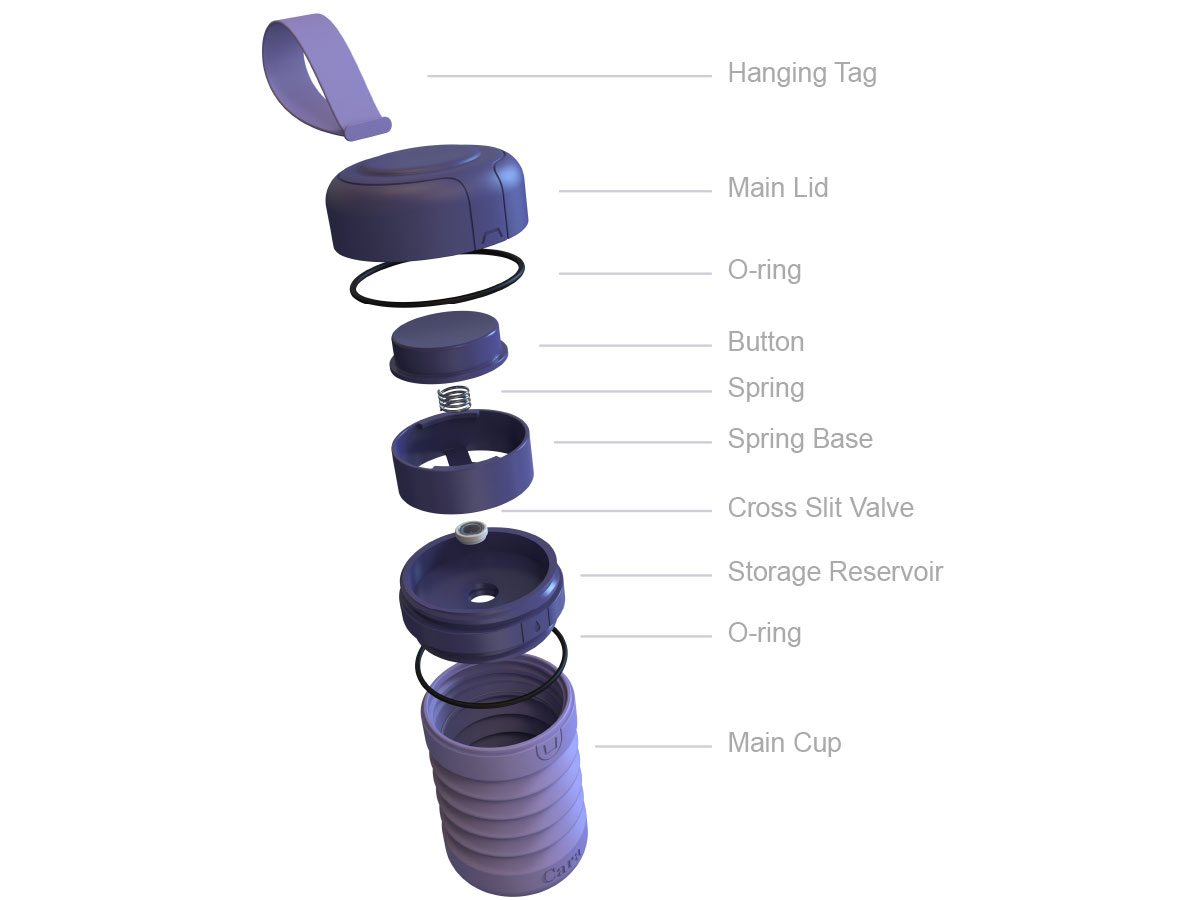
Cara is made of 3 parts – the lid, the liquid storage reservoir and the collapsable cup.
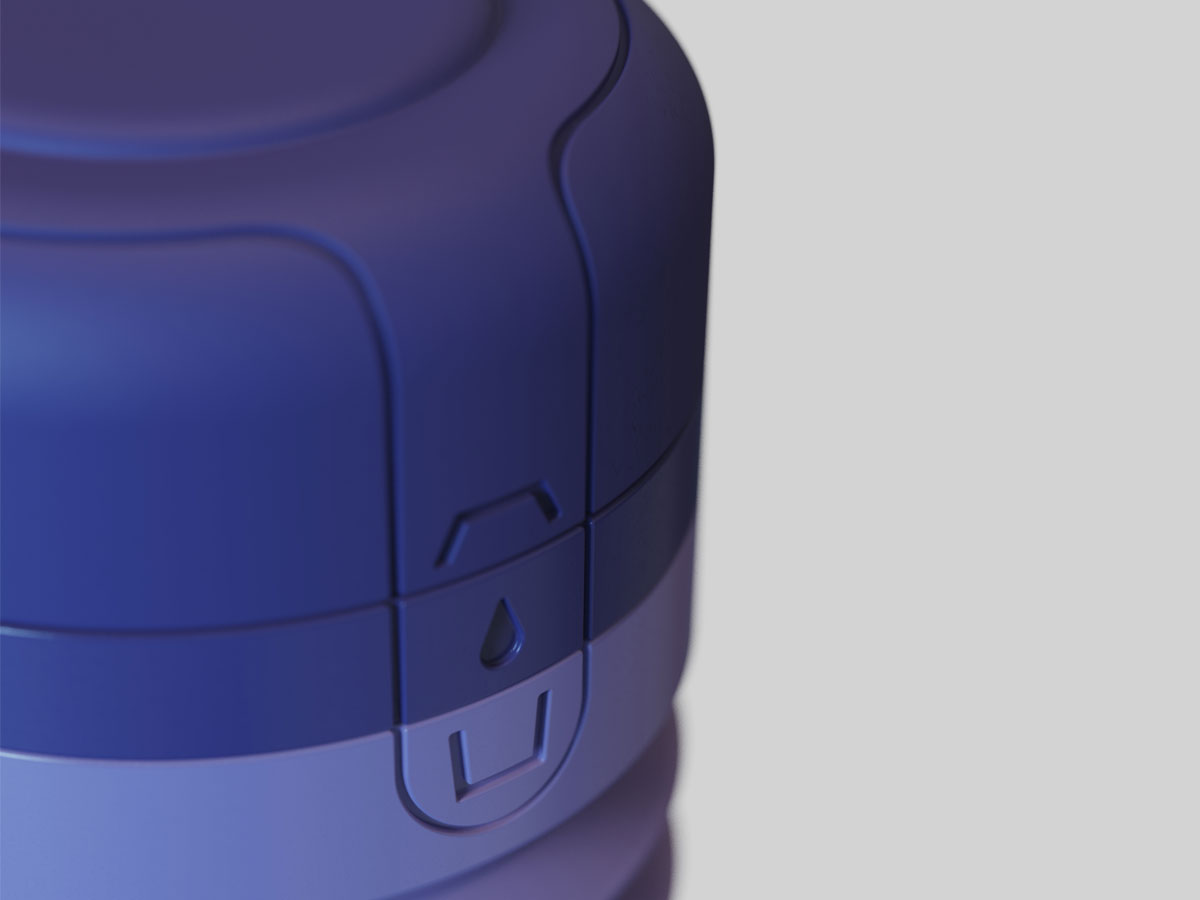
Visual indicators and details line up to reassure the user that all layers are properly aligned for watertight sealing.
Research
Due to the complex and underrepresented user group, research was a vital component of this project. This involved speaking with a range of organisations to understand the user, existing solutions, distribution and funding, just to name a few. This research also afforded me the opportunity to present my work on an industry webinar on the topic of the homeless period.
User Testing
While I did not have direct access to the primary user group, extensive testing with menstrual cup users, expert feedback from frontline workers, and ongoing iteration enabled the development of a thoughtful and impactful solution. Simulating the user scenario within a public toilet gave me first-hand insight, allowing user-centred development throughout the design process.
Service Design
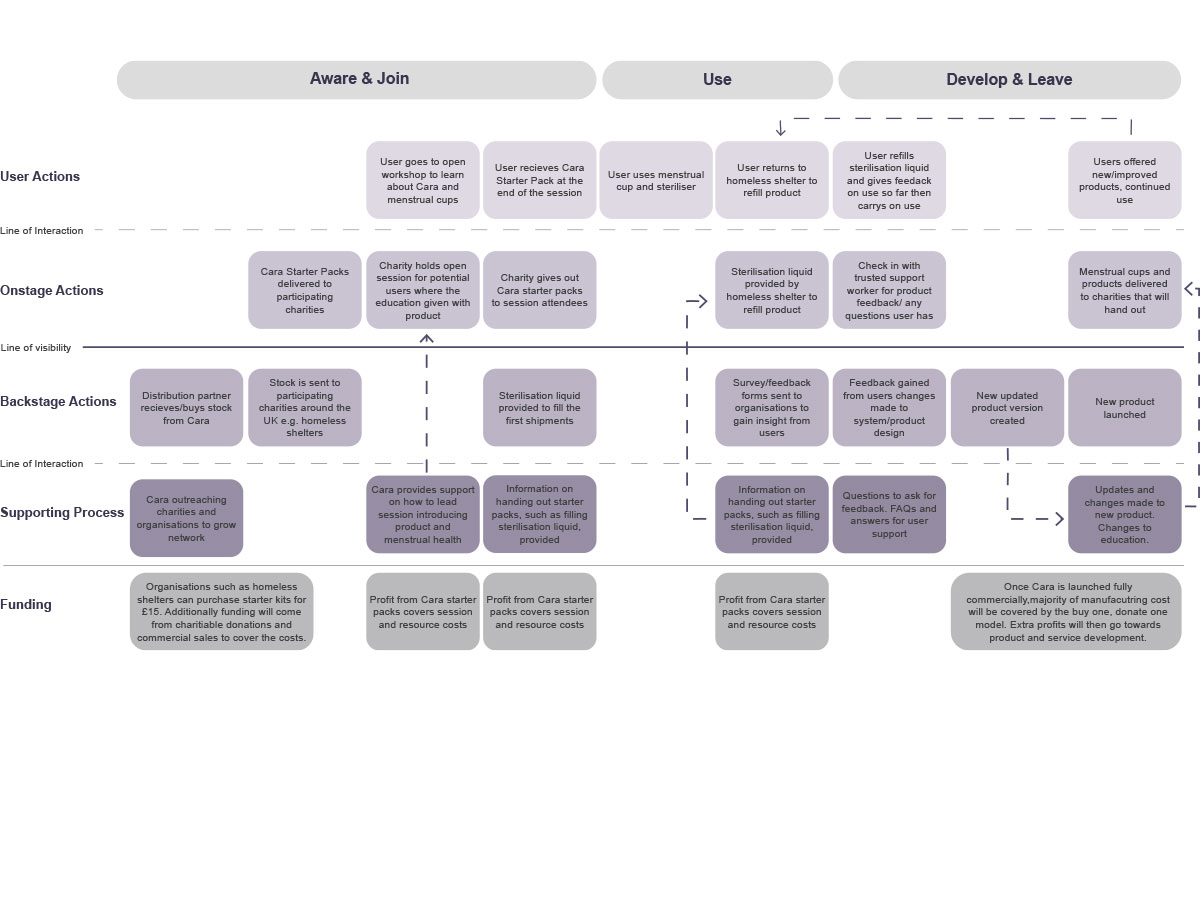
Ensuring Cara was accessible to the intended user group was a central focus of the project, achieved through both in-depth research and the development of a tailored service model.
By integrating Cara into introductory workshops run by homeless centres or period poverty organisations, users would receive their starter kit alongside practical, supportive training on menstrual cup use and product care—empowering them with knowledge and confidence from the outset.
Stakeholders play a crucial role in this project, not only in supporting the target user group, but also in delivering products and workshops, and providing essential funding through larger organisations to sustain the service.
Clear visual instructions were developed to support a wide range of users, serving as a helpful reminder of the process following the initial workshop. The service also includes follow-up sessions, offering continued support and the opportunity to gather user feedback on Cara.
Service design plays a crucial role in this project, ensuring equitable access to Cara through funding partnerships with charities and organisations. The service also integrates educational workshops into the distribution process, providing users with essential guidance on safe menstrual cup use and menstrual hygiene.
Other Projects
JLR Industry Brief – Emerging technologies to enhance passenger experience (1 Week Project)
3rd place award in Loughborough Design School Live Projects
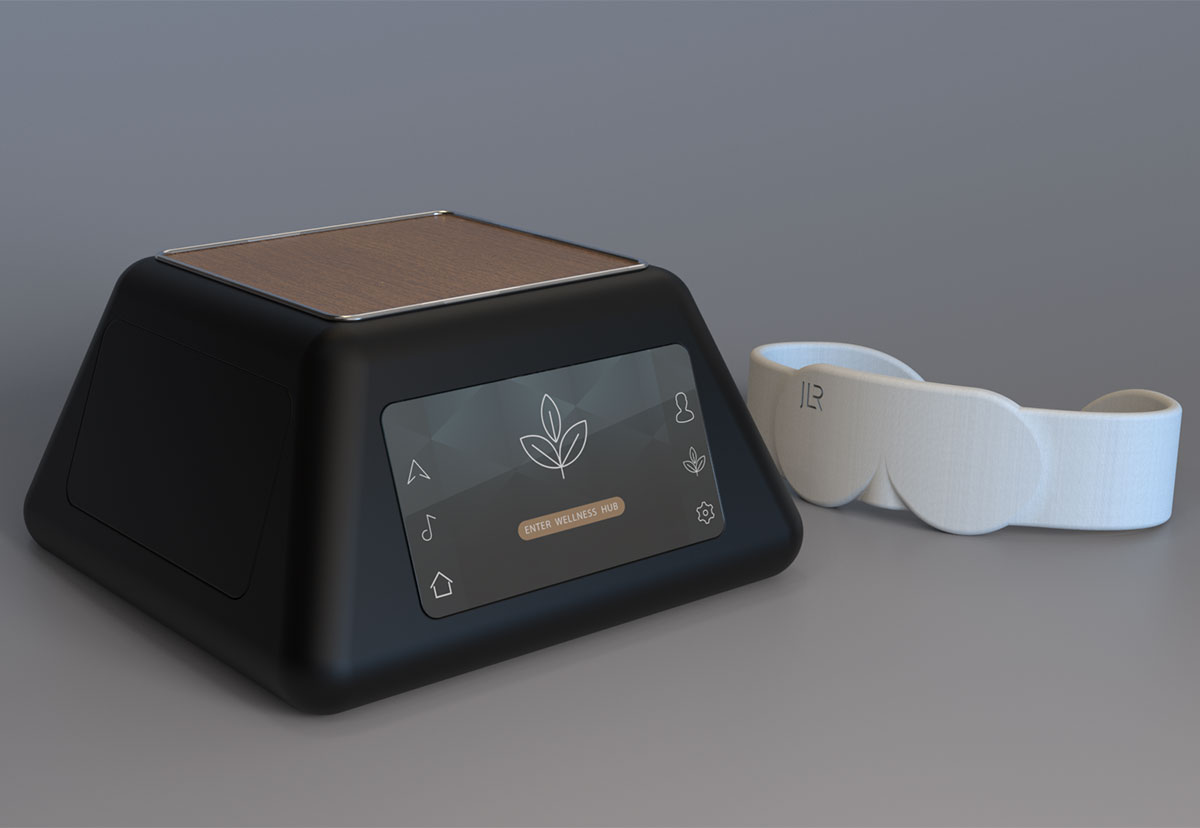
The JLR Wellness Hub is designed to transform rest on the road. A high tech sleep mask combined with a hub uses AI to curate a personalised sleep and rest programme.
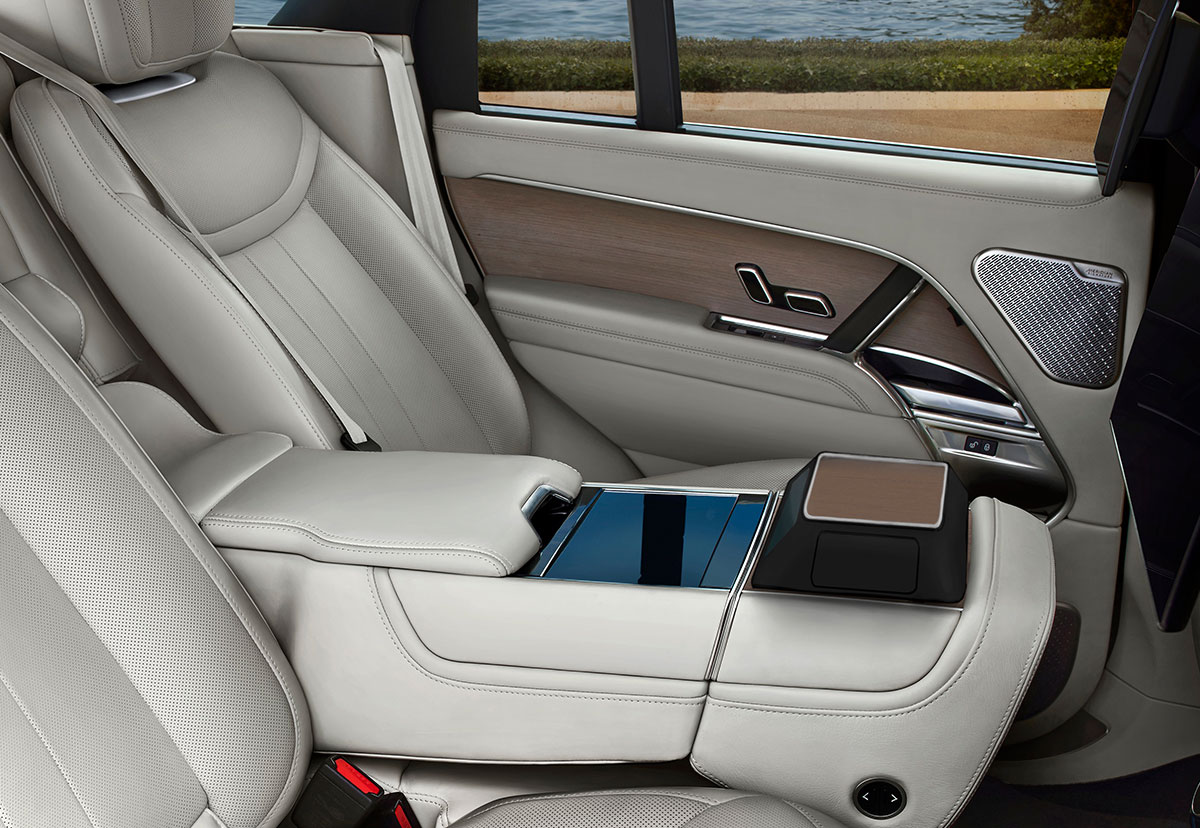
Designed with Land Rover brand identity features in mind, the wellness hub integrated seamlessly into the rear of the car .
The user interface seamlessly guides users through setup and on-boarding, allowing them to either personalise their experience manually or use AI to craft a personal experience.
Design For Impact – Protecting endangered habitats (Group Project)
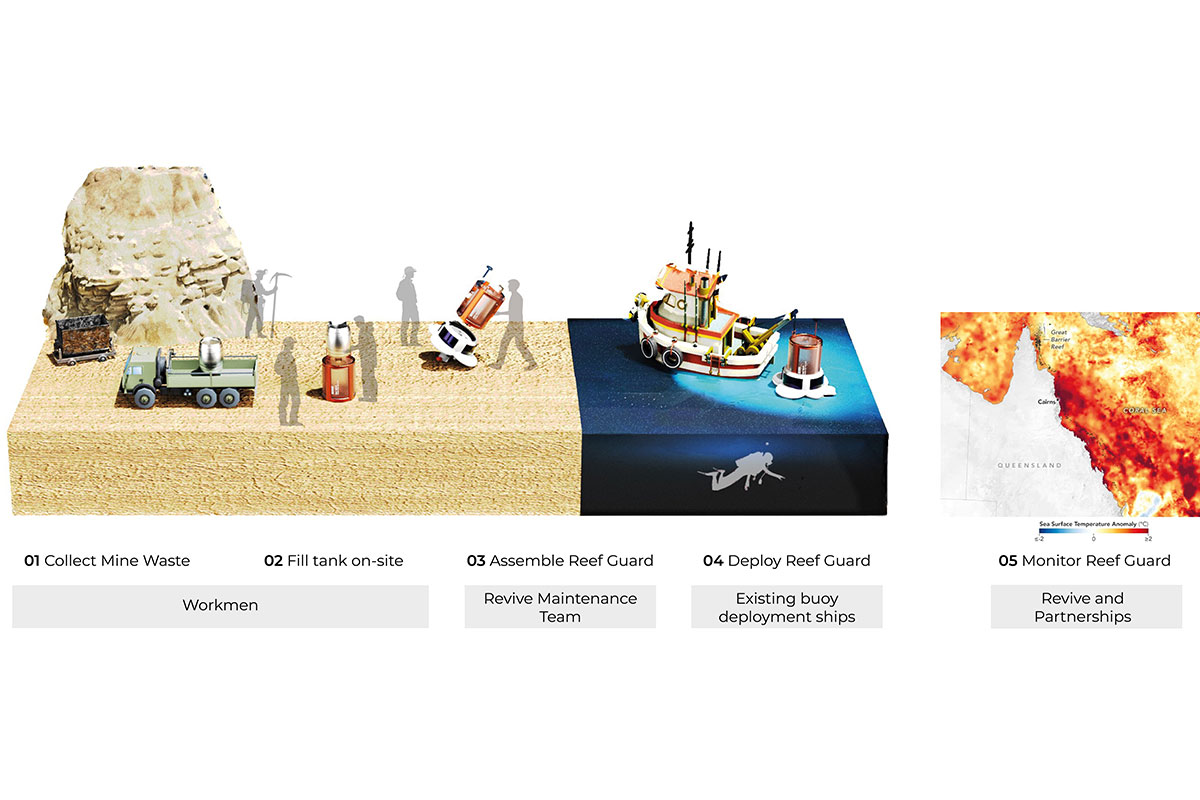
Reef Guard protects and revives coral reefs by combining pH technology and alkaline enhancement. The product uses live pH monitoring to stimulate the instant dispersal of alkaline substance.
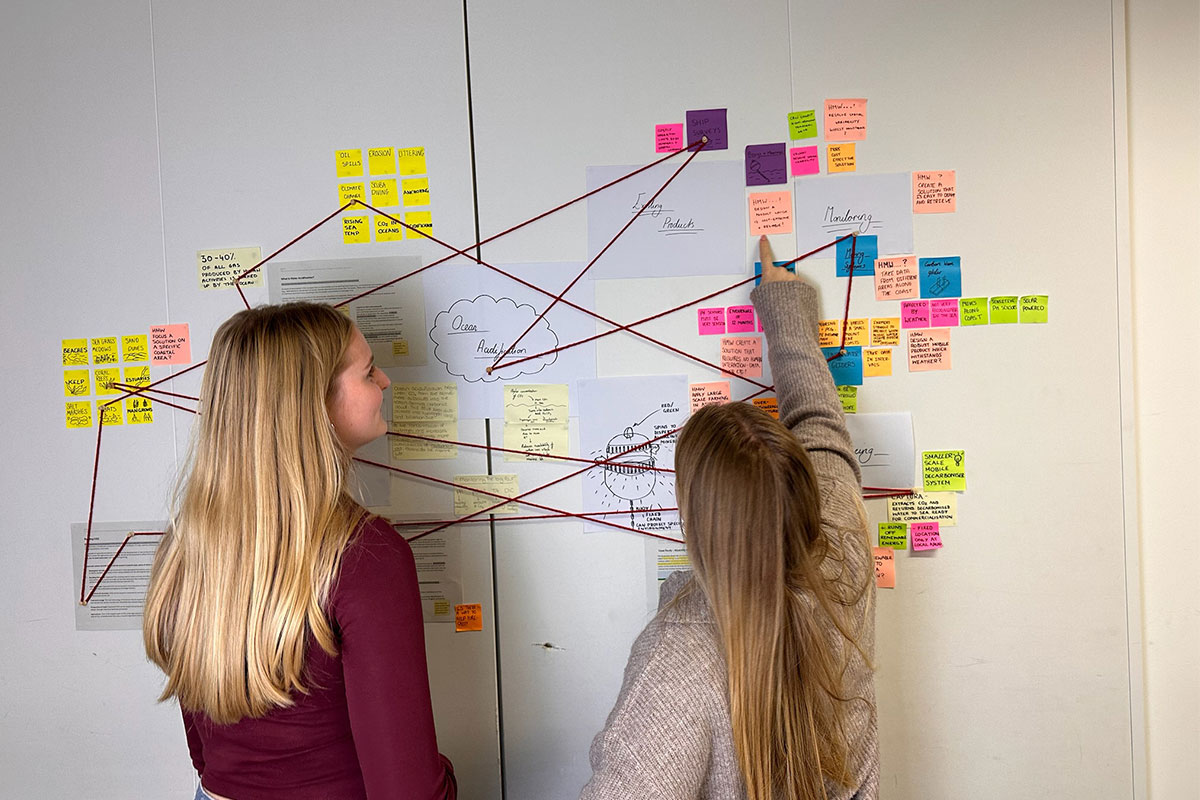
Thorough research, as a group, into a range of endangered habitats, potential solutions and new and upcoming technology that we could implement into our design.
Developing a service for the buoy to be deployed and maintained, ensuring a sustainable and effective system.
Work Experience And Achievements
Placement year: Design Assistant at Skywide Design
3rd place in the JLR Design Brief competition during the Loughborough School of Design and Creative Arts Design Week Challenge
Presented my final year project work on an industry webinar on ‘the homeless period’